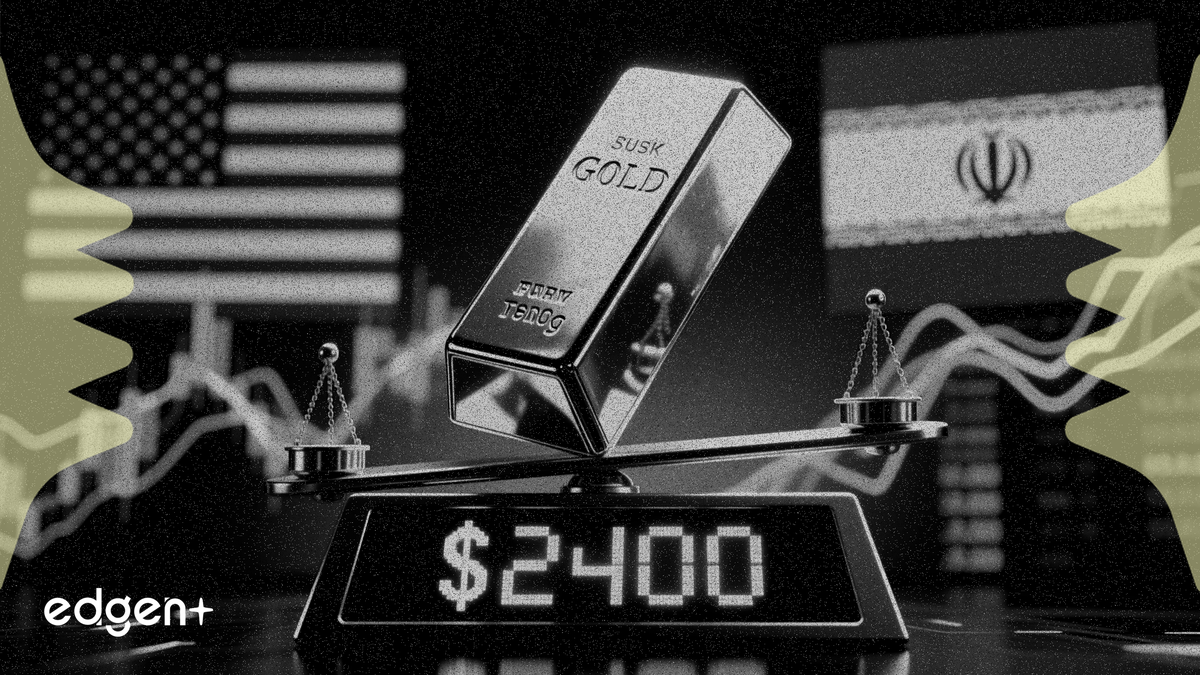
COMEX altın vadeli işlemleri Çarşamba günü ons başına 2.400 dolar seviyesini test etti ve piyasanın Amerika Birleşik Devletleri ile İran arasındaki savaşı sona erdirecek görüşmelerin ilerlemesine ilişkin çelişkili raporları değerlendirmesiyle %0,8 yükseldi.
Başkan Donald Trump Beyaz Saray'da gazetecilere yaptığı açıklamada, "Bakın, bu çok basit. İran'ın nükleer silahı olamaz," dedi ve "çok iyi görüşmeler" yapıldığını ve "bir anlaşma yapmamızın çok muhtemel" olduğunu ekledi. Daha önce, müzakerelerdeki "büyük ilerlemeyi" gerekçe göstererek Hürmüz Boğazı'ndan geçen gemilere eşlik eden bir ABD deniz operasyonunun durdurulduğunu duyurmuştu.
Ancak İran daha temkinli bir ton takındı ve Dışişleri Bakanlığı sözcüsü Esmaeil Baghaei, yakın bir anlaşmaya ilişkin raporları abartılı olarak nitelendirdi. Haber ajanslarına göre, milletvekili Ebrahim Rezaei ise ABD teklifini "gerçeklikten ziyade bir Amerikan istek listesi" olarak tanımladı. Diplomatik temaslara Pakistan'ın aracılık ettiği bildiriliyor.
Görüşmeler, Hürmüz Boğazı üzerinden nakliyatın yeniden başlatılmasını, ABD yaptırımlarının hafifletilmesini ve Tahran'ın nükleer programına sınırlar getirilmesini sağlayacağı bildirilen bir sayfalık bir muhtıra üzerinde yoğunlaşıyor. Sonuç, geleneksel bir güvenli liman varlığı olan altın için temel bir itici güç olmaya devam ediyor. Başarılı bir diplomatik çözüm altına olan talebi azaltabilirken, müzakerelerdeki bir başarısızlık gerilimi tırmandırabilir ve fiyatları önemli ölçüde yükseltebilir.
Diplomatik hamle, sürekli ABD baskısı altında devam ediyor. ABD ordusu, Umman Körfezi'nde ablukayı ihlal ettiği iddiasıyla İran bayraklı bir petrol tankerini etkisiz hale getirdiğini doğruladı. Dışişleri Bakanlığı sözcüsü Tommy Pigott, Washington'un "bir ülkenin uluslararası bir su yolunu kimlerin kullanmasına izin verileceğini belirlemesini normalleştirmeyeceğini" söylerken, diplomatik bir sonuç tercihini vurguladı.
Diğer bölgesel güçler durumu yakından izliyor. İsrail Başbakanı Binyamin Netanyahu, Trump ile görüşmeyi planladığını belirterek, her iki liderin de İran'ın zenginleştirilmiş uranyumu elinde tutmaması gerektiği konusunda hemfikir olduğunu yineledi; bu, Tahran ile sürekli bir anlaşmazlık noktası.
İran'ın nükleer faaliyetleri ve çatışmadan önce dünya petrol arzının yaklaşık %20'sinin geçtiği hayati su yolunun kontrolü üzerindeki temel anlaşmazlıklar hala çözülmedi. Piyasa şimdi Tahran'ın son ABD teklifine vereceği resmi yanıtı bekliyor.
Bu makale yalnızca bilgilendirme amaçlıdır ve yatırım tavsiyesi teşkil etmez.