
Key Takeaways:
- COMEX gold fell 2.6% to $4,013.64 as Brent crude topped $80 a barrel
- Central banks bought 41 net tonnes of gold in May, led by Poland and China
- Perth Mint silver sales collapsed 37% year-over-year to a 14-year low
Key Takeaways:
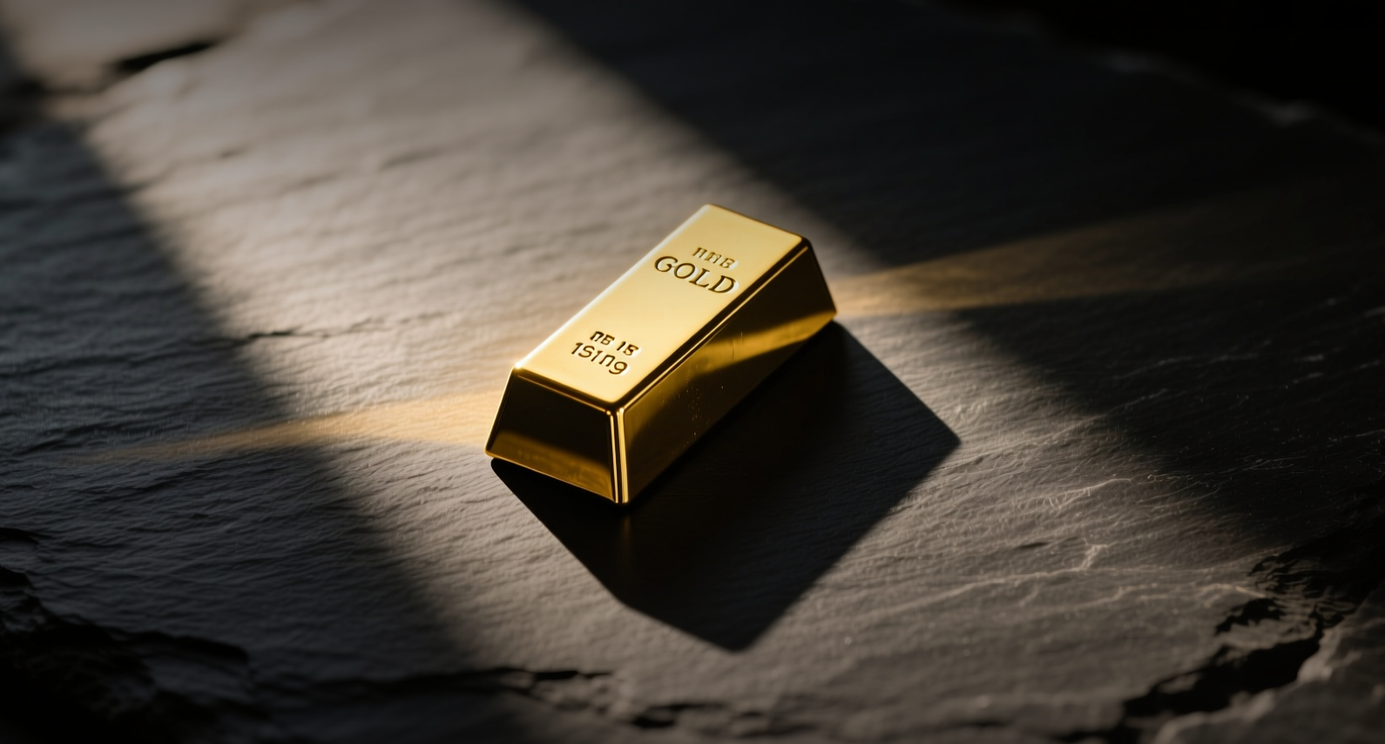
Gold is sliding toward its biggest weekly loss in three months as a resurgent oil market reignites inflation fears and pushes the Federal Reserve closer to another rate increase.
COMEX gold fell 2.6 percent to $4,013.64 an ounce, its lowest in three weeks, as Brent crude topped $80 a barrel and revived inflation concerns. Silver dropped 3 percent to $58.09 an ounce, extending a June selloff that erased 22 percent from the metal's price.
"The market is repricing rate expectations because oil is putting a floor under inflation that the Fed can't ignore," said Claudia Sahm, chief economist at New Century Advisors. "The increase in energy prices from February through May, and the businesses that took on those extra costs, those are still in the system."
Central banks bought 41 net tonnes of gold in May, according to Heraeus. Poland led with 18 tonnes, bringing its reserves to 614 tonnes and surpassing the Netherlands as the tenth-largest gold reserve holder. The People's Bank of China added 15 tonnes in June, its twentieth consecutive monthly purchase, lifting total holdings to 2,346 tonnes. Uzbekistan and Kazakhstan added 9 tonnes and 7 tonnes, respectively, in May.
The Perth Mint sold 294,000 ounces of silver in June, down 19 percent from May and 37 percent from a year earlier, marking the lowest monthly total since April 2012. Gold bar and coin sales fared better at 29,700 ounces, up 53 percent from May. The divergence reflects a collapse in retail silver appetite during the metal's price correction, Heraeus analysts said.
Oil's inflation channel
Brent crude's rally above $80 a barrel — and WTI above $75 — has resurfaced fears that the Iran-US conflict could destabilize prices and force tighter monetary policy. The latest escalation began July 6 when Iran's Revolutionary Guard Corps fired missiles at commercial ships, prompting US retaliatory strikes and further Iranian attacks on Bahrain, Kuwait and Qatar. The gold price fell back below $4,100 and silver below $60 immediately after the strikes, before a partial rebound.
Economists expect the Bureau of Labor Statistics to report Tuesday that consumer prices fell 0.2 percent in June from the prior month, the first monthly decline in two years, driven almost entirely by lower gasoline costs. But core inflation, which strips out food and energy, ran at 2.9 percent annually in May and has accelerated every month this year.
"The energy-driven disinflation is masking a stickier underlying picture," Sahm said. Housing-related inflation has eased to levels last seen between 2016 and 2019, but core services inflation outside housing has picked up speed.
Supply-side expansion
On the supply side, the Sierra Gorda joint venture — owned by KGHM and South32 — is adding a fourth grinding line to boost processing capacity by roughly 25 percent. First production from the expansion is expected in 2030, with full rates in 2031, adding around 1.7 million ounces of annual silver output alongside higher copper, molybdenum and gold volumes. KGHM, one of the world's largest silver producers, generated 43.3 million ounces of silver in 2025.
The $4,000 level on COMEX gold has acted as support since late June. A sustained break below it could trigger further selling toward $3,900, with the next major catalyst being the July 28-29 Federal Open Market Committee meeting. Markets are pricing a 35 percent probability of a quarter-point rate increase, up from 18 percent a month ago, according to CME FedWatch data.
This article is for informational purposes only and does not constitute investment advice.
