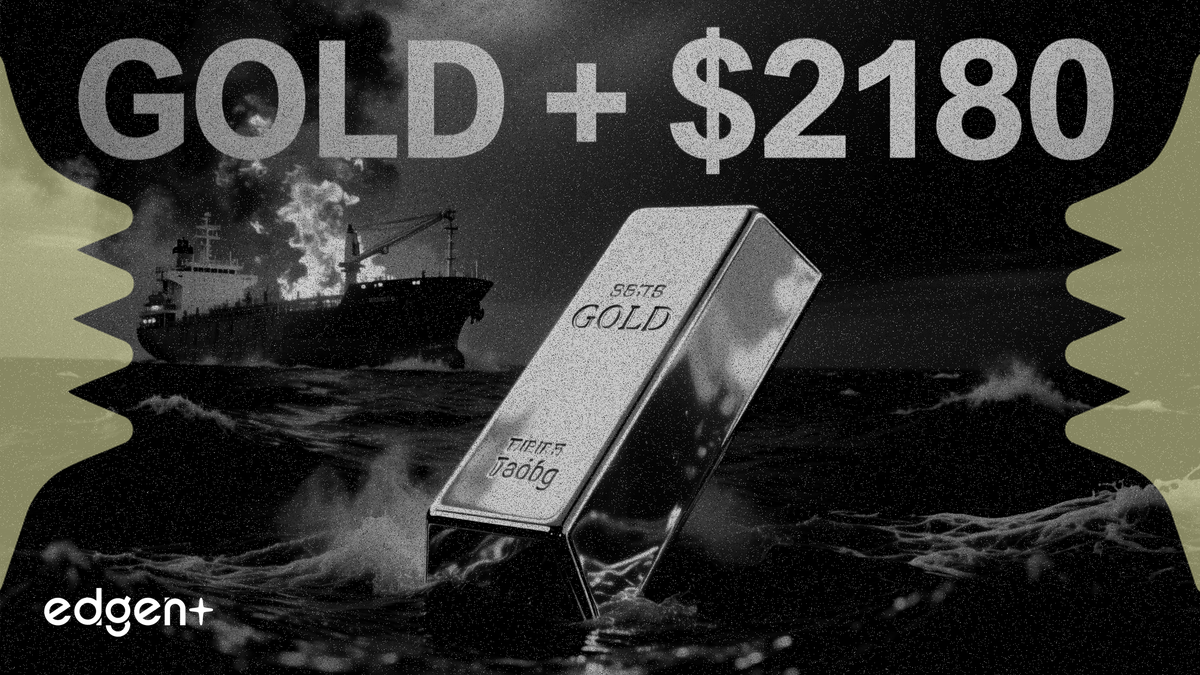
Les cours de l'or ont grimpé de 0,8 % pour atteindre 2 182,40 $ l'once le 6 mai, alors que les traders pesaient les perspectives de négociations entre les États-Unis et l'Iran face aux hostilités militaires en cours.
« Le potentiel de désescalade pourrait réduire la demande de valeur refuge pour l'or, exerçant une pression à la baisse sur son prix », a déclaré un analyste de FXEmpire. « Cependant, si les négociations échouent, cela pourrait accroître le risque géopolitique, provoquant probablement un rallye de l'or et d'autres actifs refuges. »
Le marché reste sur le qui-vive après qu'un avion de chasse américain a détruit le gouvernail d'un pétrolier iranien dans le golfe d'Oman, a rapporté le Commandement central des États-Unis. Cela s'est produit alors qu'un cessez-le-feu précaire a largement tenu depuis le 8 avril et que des rapports suggèrent qu'un accord pour mettre fin à cette guerre de deux mois pourrait être proche.
La fermeture effective du détroit d'Ormuz en raison du conflit a perturbé les expéditions mondiales de pétrole et de gaz, coûtant aux transporteurs comme Hapag-Lloyd environ 60 millions de dollars par semaine. Tous les regards sont tournés vers les pourparlers potentiels à Islamabad la semaine prochaine pour détecter des signes de percée.
Les espoirs de cessez-le-feu tempérés par l'action militaire
Les espoirs d'un accord de paix durable ont été tempérés par une nouvelle vague d'actions militaires. La frappe de l'armée américaine sur un pétrolier iranien est intervenue alors que le président Donald Trump menaçait Téhéran de nouveaux bombardements si aucun accord n'était conclu. L'attaque était une réponse directe à la tentative du pétrolier de forcer le blocus des ports iraniens par l'armée américaine, selon une publication du Commandement central des États-Unis sur les réseaux sociaux. Par ailleurs, Israël a frappé la banlieue sud de Beyrouth pour la première fois depuis un cessez-le-feu du 17 avril avec le Hezbollah, ciblant un commandant de la force Radwan du groupe.
Les prix du pétrole s'essoufflent alors que la Chine appelle au dialogue
Malgré les actions militaires, les prix du pétrole ont chuté alors que le marché intégrait la possibilité d'une résolution diplomatique. Le prix au comptant du Brent, la référence internationale, est tombé aux alentours de 100 $ le baril mercredi, une baisse significative par rapport aux sommets du début de semaine. La Chine, un acteur clé ayant des liens étroits avec Téhéran, a appelé à un cessez-le-feu complet. Le ministre chinois des Affaires étrangères, Wang Yi, a rencontré son homologue iranien à Pékin, déclarant que son pays était « profondément affligé » par le conflit. Cette visite intervient avant un sommet de haut niveau prévu entre le président Trump et le président chinois Xi Jinping les 14 et 15 mai.
Le détroit d'Ormuz reste un point de passage critique
Des centaines de navires marchands restent bloqués dans le golfe Persique, incapables de traverser le détroit d'Ormuz, une voie navigable vitale pour le commerce mondial. Un effort éphémère des États-Unis pour forcer l'ouverture d'un passage sécurisé, baptisé Project Freedom, a été suspendu par le président Trump mardi pour laisser place aux négociations. L'impact économique de la fermeture est considérable, le géant du transport maritime Hapag-Lloyd signalant des coûts d'environ 60 millions de dollars par semaine en raison de l'augmentation des frais de carburant et d'assurance. Bien que deux navires marchands sous pavillon américain aient réussi à transiter par la route gardée par les États-Unis, les compagnies maritimes restent prudentes, attendant une désescalade plus claire des hostilités.
Cet article est fourni à titre informatif uniquement et ne constitue pas un conseil en investissement.