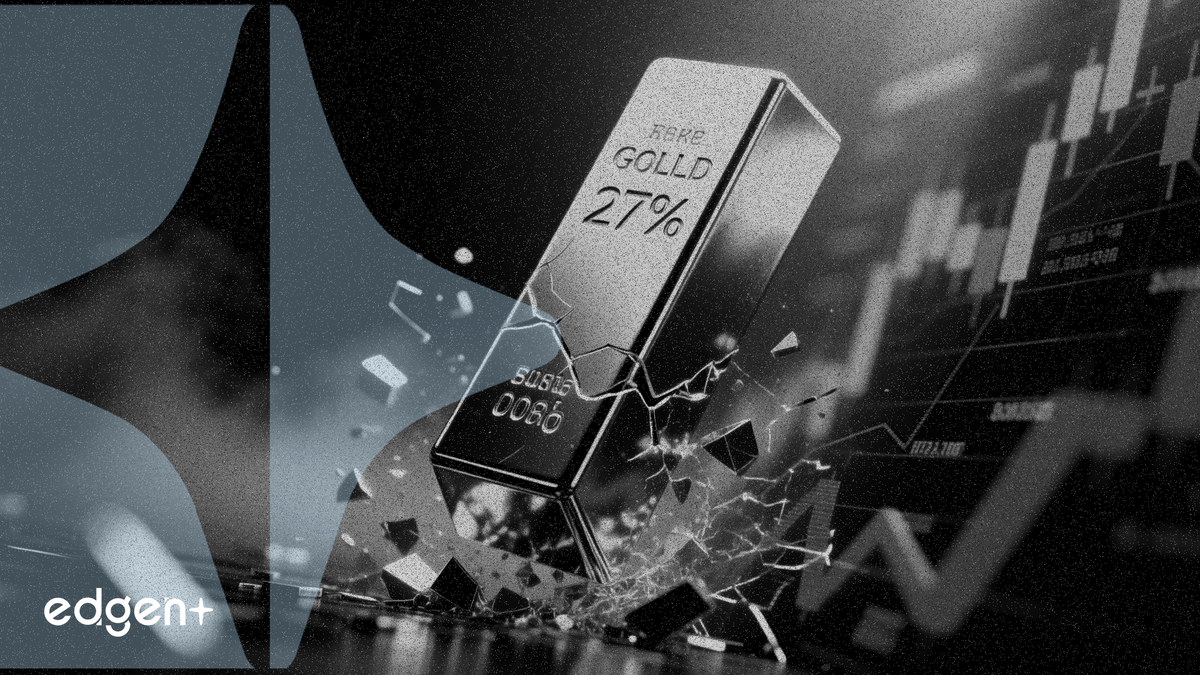
Les cours de l'or ont progressé le 19 avril 2026, dépassant les 2 380 $ l'once, alors que les traders évaluaient l'apaisement des tensions géopolitiques et la chute des prix du pétrole face aux changements d'attentes concernant la politique monétaire américaine. Les probabilités implicites du marché pour une baisse des taux de la Réserve fédérale ont glissé à seulement 27 %, une baisse significative qui complique les prévisions pour le métal précieux.
« Les changements d'attentes concernant les baisses de taux de la Fed peuvent augmenter la volatilité des actifs sensibles aux taux, y compris l'or », a déclaré un analyste de marché. « Si le marché continue d'écarter l'éventualité de baisses de taux, cela pourrait renforcer le dollar américain et créer des vents contraires pour les cours de l'or. »
La baisse des prix du pétrole brut, résultant de l'apaisement des tensions au Moyen-Orient, a offert une force de contrepoids. Cela a renforcé le statut de l'or en tant que valeur refuge, attirant des capitaux qui auraient autrement pu être alloués à des actifs plus risqués. Le ratio or/pétrole, une mesure du nombre de barils de pétrole pouvant être achetés avec une once d'or, a augmenté, reflétant la force relative de l'or.
À l'avenir, l'attention du marché se portera directement sur les prochaines données d'inflation et les signaux de la Réserve fédérale. Tout nouveau signe de faiblesse économique pourrait rapidement renforcer l'attrait de l'or, tandis qu'une inflation persistante pourrait renforcer le scénario de taux d'intérêt « plus élevés pour plus longtemps », pesant sur les cours de l'or. À l'inverse, un virage dovish surprise de la Fed pourrait voir l'or tester à nouveau ses récents sommets.
Cet article est à titre informatif uniquement et ne constitue pas un conseil en investissement.