

Key Takeaways:
- Global gold ETFs saw net outflows of 74 tons in June, led by North America
- Central bank buying accelerated with China, Poland and Uzbekistan adding 111 tons YTD
- Morgan Stanley targets $4,450/oz gold and $65.40/oz silver by Q4 2026
Key Takeaways:
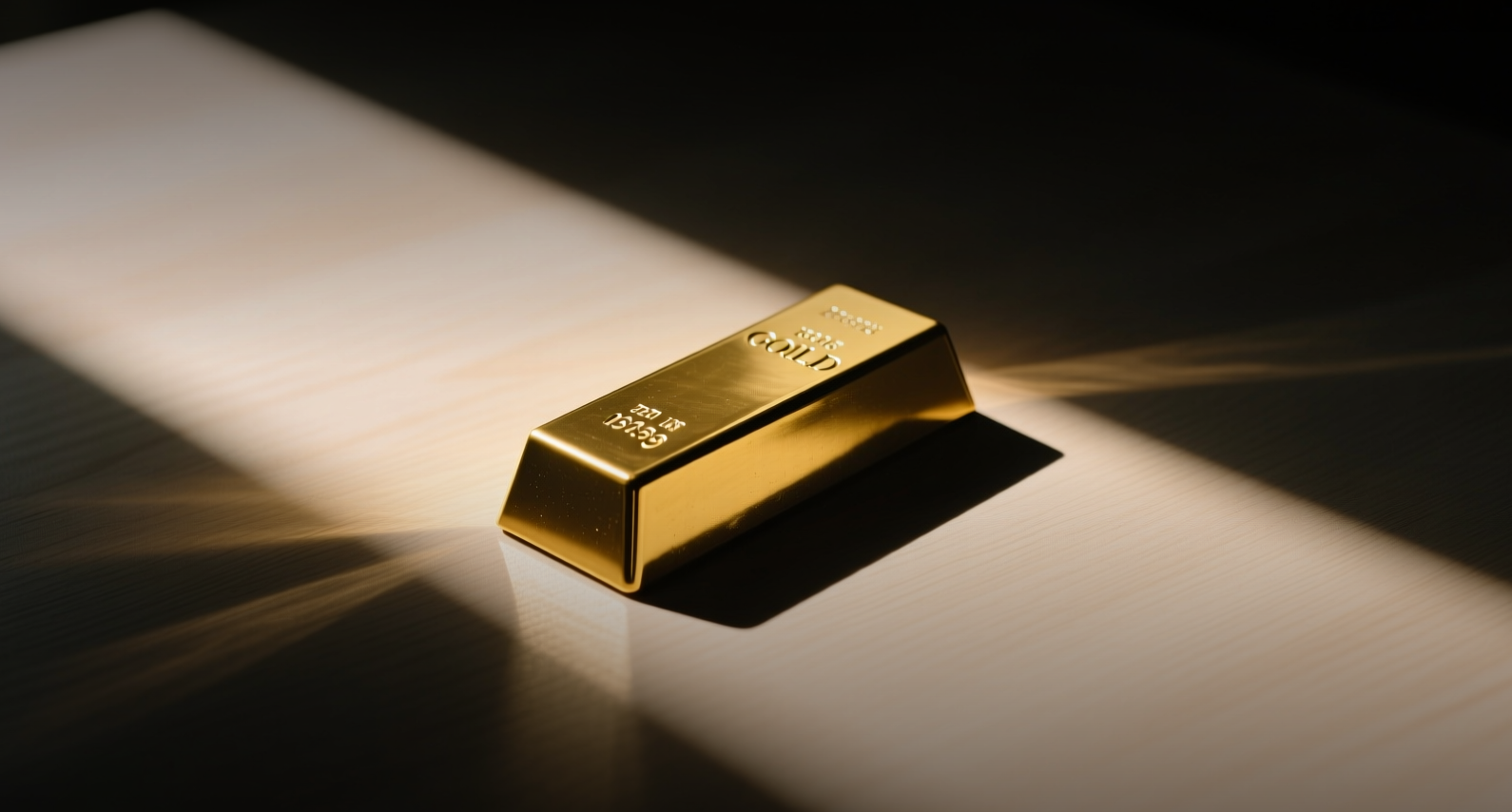
COMEX gold traded at $4,011.70/oz on July 20, down 6% year-to-date, as ETF outflows and a technical death cross offset record central bank buying.
"ETF holdings are the missing piece for a sustained gold rally, and that requires the Fed to avoid further rate hikes," analysts at Morgan Stanley said in a research report. The bank's economists expect the central bank to hold rates through 2026 and deliver two cuts in 2027.
Global gold ETF holdings added just 18 tons in the first half of 2026, a sharp deceleration from roughly 800 tons of buying in 2025, according to World Gold Council data. June alone saw 74 tons of net outflows, with North America accounting for 42 tons of that total and $60.5 million in H1 redemptions. Asian ETFs bucked the trend with $69.7 million of net inflows over the same period.
The outflows reflect a market pricing in about 1.4 rate hikes by year-end, up from zero expectations in early 2026 after Middle East tensions pushed inflation expectations higher. The opportunity cost of holding gold has risen most sharply for US-based investors, Morgan Stanley said. COMEX gold non-commercial net long positions have recovered to 194,000 contracts as of July 15, the highest since February, but the metal is trading below its 200-day moving average after a death cross formed in mid-July when the 50-day MA crossed below the 200-day MA.
Central Bank Buying Accelerates
While ETF investors retreated, central banks stepped in. China's central bank bought 14.9 tons of gold in June, its largest monthly purchase since October 2023, bringing its year-to-date total to 40.1 tons — already exceeding the 25.8 tons it bought in all of 2025. Poland added 63.6 tons year-to-date and Uzbekistan 32.7 tons, both far outpacing their 2025 totals.
The buying helped offset earlier selling pressure. Turkey sold or swapped about 60 tons of gold in the two weeks after the Middle East conflict escalated, using the metal to stabilize the lira amid a widening trade deficit. Russia sold 34.2 tons year-to-date, up from 6.2 tons in all of 2025, as military spending and sanctions widened the federal deficit. But global net sales narrowed from 50.6 tons in March to net purchases of 21.5 tons in April and 41.2 tons in May, with Turkey's May sales falling to just 2.7 tons.
Silver Underperforms as Industrial Demand Weakens
Silver has fared worse than gold, falling 21% year-to-date against gold's 6% decline. The gold-silver ratio has rebounded to 70x from a January low of 46x.
The divergence reflects a collapse in silver's correlation with copper, which dropped to near zero from 95% in the second half of 2025, according to Morgan Stanley. The breakdown stems from weakening industrial demand, particularly in solar photovoltaic manufacturing, which accounted for 17% of silver demand in 2025 — up from 7.4% in 2019. The Silver Institute expects solar PV silver demand to fall 19% in 2026 after declining 6% in 2025.
Jewelry demand is also contracting. Global jewelry and silverware consumption fell 8% in 2025 and is expected to decline further in 2026. Pandora has shifted production toward platinum-plated products, while Tiffany has accelerated its gold-focused collections, reducing silver procurement.
Known silver ETF holdings have fallen to about 784 million ounces from a peak of roughly 870 million ounces at end-2025, a 10% decline versus gold's 5% drop, according to Bloomberg data. The outflows reflect both profit-taking after silver doubled in 2025 and the drag from a more hawkish Fed outlook on industrial metals.
Morgan Stanley maintained its Q4 2026 silver target at $65.40/oz, implying about 16% upside from current levels, with a bull-case scenario of $97/oz. The bank said silver's revival depends on Fed rate expectations receding and industrial demand stabilizing, which would allow the silver-copper correlation to reassert itself.
This article is for informational purposes only and does not constitute investment advice.
