



베테랑 투자자 Rick Rule에 따르면, 금이 온스당 $4,500 아래로 후퇴하면서 시장의 논쟁이 다시 미국 금리로 옮겨갔고, 광산 생산업체들이 인수를 통해 매장량을 대체해야 하는 압박이 커지고 있다.
베테랑 투자자 Rick Rule에 따르면, 금이 온스당 $4,500 아래로 후퇴하면서 시장의 논쟁이 다시 미국 금리로 옮겨갔고, 광산 생산업체들이 인수를 통해 매장량을 대체해야 하는 압박이 커지고 있다.
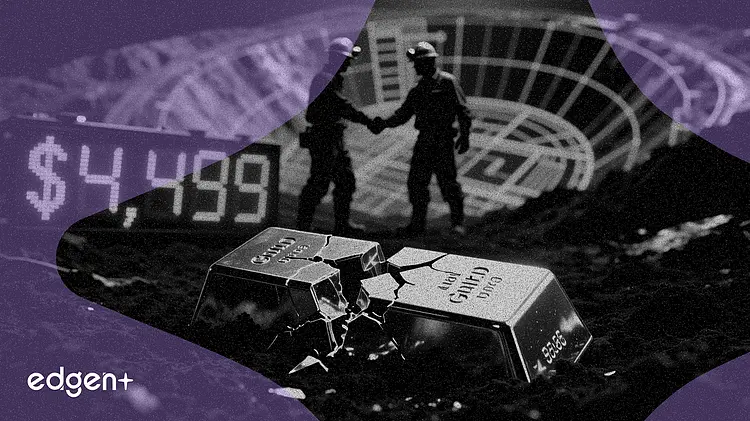
베테랑 투자자 Rick Rule에 따르면, 금이 온스당 $4,500 아래로 후퇴하면서 시장의 논쟁이 다시 미국 금리로 옮겨갔고, 광산 생산업체들이 인수를 통해 매장량을 대체해야 하는 압박이 커지고 있다.
현물 금은 5월 28일 온스당 $4,392.57까지 하락하며 2개월 만에 최저치를 기록했다. 예상보다 강한 미국 경제 지표가 달러를 강세로 만들고 금리 인하 기대 시점을 더욱 늦췄기 때문이다.
"금 가격 하락이 제 장기 전망을 바꾸지는 않았지만, 금리를 다시 논쟁의 중심에 세웠습니다,"라고 Rule Investment Media의 사장 겸 CEO인 Rick Rule이 5월 27일 Kitco Mining의 Digging Deep에 말했다.
1월 사상 최고치인 온스당 $5,500 이상에서의 하락은 약 20% 조정에 해당한다. 금속은 2월 말 미-이란 분쟁 발발 이후 15% 하락했다. 호르무즈 해협 봉쇄는 에너지 가격을 급등시켰고, 인플레이션 우려를 부추겨 시장 참가자들을 대상으로 한 로이터 조사에 따르면 연준이 연말까지 기준금리를 25bp 인상할 것이라는 기대를 높였다.
금광 기업들에게 낮은 가격 환경은 다른 종류의 압력을 만들어내고 있다. "광업 투자자들에게 더 중요한 변화는 생산업체들이 인수를 통해 온스를 대체해야 하는 압박이 커지고 있다는 점입니다,"라고 Rule은 말하며, 매장량 고갈과 높아진 탐사 비용이 업계 통합을 추진하고 있는 상황을 지적했다.
M&A 압력 증가, 매장량 감소 속에
금광 기업들은 매년 생산하는 온스를 대체해야 하는 점점 커지는 과제에 직면해 있다. 업계 전반에서 총유지비용이 상승하고 탐사 비용이 증가함에 따라, 업계는 매장량 보충을 위해 점점 M&A에 의존하고 있다. 금 가격이 $4,500 아래로 후퇴한 것은 이러한 추세를 가속화할 수 있으며, 비용 구조가 높은 소규모 생산업체들이 대형 경쟁사들의 인수 대상이 될 수 있다.
특히 중간 규모 생산업체들에게 압박이 심각하다. VanEck Gold Miners ETF(GDX)는 1월 고점 대비 약 18% 하락했으며, 이는 거래 가치 평가 격차를 좁혀 딜메이킹을 더 매력적으로 만들 수 있다. 세계 최대 금광 기업인 뉴몬트(Newmont Corp.)는 소규모 인수에 계속 열려 있다는 신호를 보냈으며, 바릭 골드(Barrick Gold Corp.)는 미주와 아프리카에서 적극적으로 대상을 평가하고 있다.
장기 전망은 여전히 유효
단기적 역풍에도 불구하고 주요 은행들은 금의 궤적에 대해 여전히 낙관적이다. JP모건과 골드만삭스는 지속적인 중앙은행 매수, 지정학적 불안정성, 그리고 금리 정책의 궁극적 정상화를 근거로 금이 최소 온스당 $5,000에 도달할 것으로 전망한다.
중앙은행들은 역사적으로 높은 비율로 금을 축적해 왔으며, 달러 표시 자산에서 준비금을 다각화하고 있다. 이러한 구조적 수요는 인플레이션 부담을 제거할 수 있는 미-이란 평화 협정 가능성과 결합되어 금 가격에 하단을 제공한다.
은도 금을 따라 하락하여 5월 28일 온스당 약 $74에 거래되었으며, 1월 고점 $116 이상에서 하락했다. 백금속은 고점 대비 약 36% 하락했지만 전년 대비 130% 이상 상승한 상태를 유지하고 있으며, 이는 태양광 패널 제조와 인공지능 인프라 수요에 의해 주도되는 지속적인 공급 부족을 반영한다.
이 글은 정보 제공 목적으로만 작성되었으며 투자 조언을 구성하지 않습니다.
