
Key Takeaways:
- Gold trades near $4,093/oz, testing the critical $4,000 support-resistance pivot
- Silver holds above $70 as both metals consolidate in narrowing trading ranges
- Gold Cycle Indicator: 37 | COMEX 24h range: $3,985.81-$4,112.97
Key Takeaways:
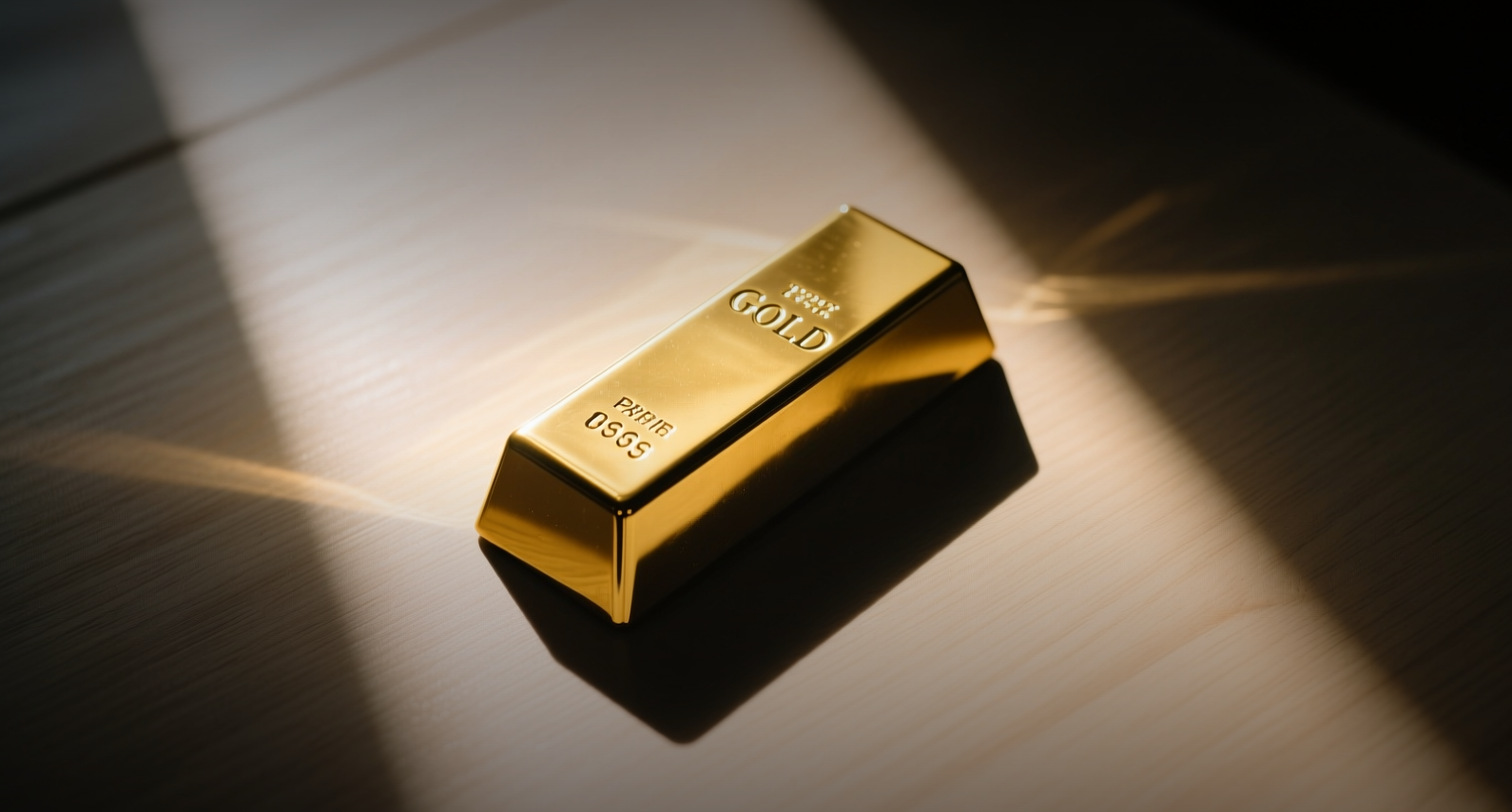
Gold traded at $4,092.62/oz on July 14, approaching the $4,000 level that will determine whether the next move is a bounce or a breakdown across the precious metals complex.
"We believe the recent low will hold for the remainder of the bull market and anticipate gold trading above $7,000 next year," AG Thorson, a registered CMT and technical analyst at GoldPredict.com, said.
The Gold Cycle Indicator finished at 37 after reaching a low of 14 in June, a level that has triggered multiple bottoms historically, according to Thorson's data. Gold's 24-hour range was $3,985.81 to $4,112.97, with the metal consolidating between its 50-day and 200-day simple moving averages since mid-May, per FX Empire data. A daily close above $4,250 would confirm the bottom, while a break below $3,950 would open the door to $3,850, according to technical analysis from Muhammad Umair at Gold Predictors.
The $4,000 level represents a critical pivot: a sustained break above could trigger momentum buying across gold miners and ETFs, while a rejection risks a sharp correction toward $3,850. The next catalyst is the U.S. nonfarm payrolls report, which will influence Fed rate expectations and determine whether gold holds support or extends its decline.
Silver and Miners Track Gold's Path
Silver traded near $70-$72, working on a bottom in its ideal target box, though a final dip in early July remains possible, Thorson said. A break below $70-$72 would push prices toward $50-$60 to complete the correction, according to Umair. Thorson's longer-term outlook sees silver reaching $150 next year if gold trades above $7,000, with a five-year target of $300-$500 by 2031.
The GDX senior miners index is bottoming in the middle of its target zone, with the multi-month correction about 95% complete, Thorson said. GDXJ junior miners are also close to an important low, though a close below $96.00 could trigger further downside. SILJ silver juniors face a potential dip if prices break the double bottom at $24.49.
Fed Policy and Geopolitical Crosscurrents
The primary near-term pressure on gold comes from Federal Reserve policy uncertainty. Kansas City Fed President Jeffrey Schmid cautioned that the Fed might need to raise rates again if inflation remains too high, while San Francisco Fed President Mary Daly said policy depends on incoming data. A stronger U.S. dollar and rising Treasury yields have weighed on gold prices in the short term.
Escalating Middle East tensions, including uncertainty around U.S.-Iran peace talks, support safe-haven demand over the long term, though the market remains focused on inflation and interest-rate risk in the near term, according to FX Empire analysis.
Thorson's broader framework anticipates gold reaching $10,000 to $15,000 and silver achieving $300 to $500 over the next five years, with a particular focus on 2031. The outlook expects the next major economic downturn starting around 2030 and extending into 2036, with the current inflationary environment eventually transitioning into stagflation or outright deflation after 2032.
This article is for informational purposes only and does not constitute investment advice.
