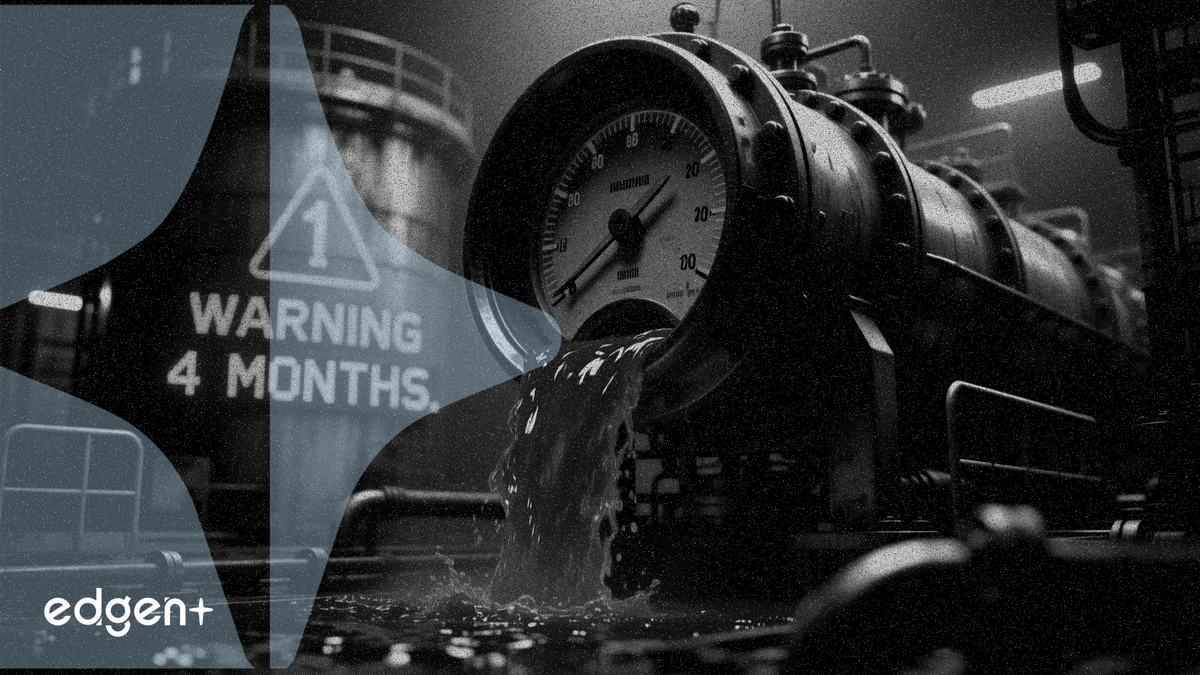
A new J.P. Morgan analysis predicts global oil stockpiles could hit critically disruptive levels, with a full recovery taking approximately four months after the Strait of Hormuz reopens.
Global oil stockpiles are projected to decline to critically disruptive levels, with a full recovery to pre-war levels taking about four months after the strategic Strait of Hormuz reopens, according to a new analysis from J.P. Morgan. The forecast highlights the prolonged supply tightness facing the market, which is likely to keep upward pressure on crude oil prices.
"After the Strait of Hormuz reopens, a full recovery to pre-war levels may take about four months," J.P. Morgan said in a note to clients on April 2, 2026. The investment bank's analysis points to a significant lag in the restoration of global inventories even after the key shipping lane resumes operations.
The analysis comes as Brent crude, the international benchmark, continues to trade at elevated levels. The potential for a prolonged period of low inventories could lead to increased price volatility and a higher risk premium for oil. This supply-side pressure is compounded by geopolitical tensions in the region, which have already impacted shipping and insurance costs.
The slow recovery scenario outlined by J.P. Morgan suggests that energy-driven inflation will remain a significant concern for the global economy. This could force central banks to maintain a hawkish stance for longer, potentially impacting corporate profitability, particularly in transport and manufacturing sectors, and dampening consumer spending. The next few months will be critical in determining the trajectory of oil prices and their ripple effects across financial markets.
The J.P. Morgan forecast underscores the vulnerability of the global energy supply chain to geopolitical shocks. The Strait of Hormuz is a critical chokepoint, with a significant portion of the world's oil supply passing through it daily. Any disruption, even if temporary, has a cascading effect on inventories, shipping routes, and ultimately, consumer prices.
The four-month recovery timeline is a stark reminder that even a resolution of the immediate conflict may not bring immediate relief to energy markets. The logistical challenges of ramping up production, coordinating tanker schedules, and replenishing depleted storage facilities are substantial. This extended period of supply uncertainty is a bearish signal for the broader economy, as sustained high oil prices act as a tax on both businesses and households.
For investors, the report signals a need for caution. Sectors sensitive to fuel and transportation costs are likely to face margin pressure. Conversely, energy producers may see continued strong revenues, but the wider market impact is likely to be negative. The analysis reinforces the importance of monitoring geopolitical developments in the Middle East and their direct impact on commodity markets.
This article is for informational purposes only and does not constitute investment advice.