


A selloff in semiconductor stocks swept across global markets, dragging the S&P 500 and Nasdaq lower as traders braced for the June jobs report.
A selloff in semiconductor stocks swept across global markets, dragging the S&P 500 and Nasdaq lower as traders braced for the June jobs report.
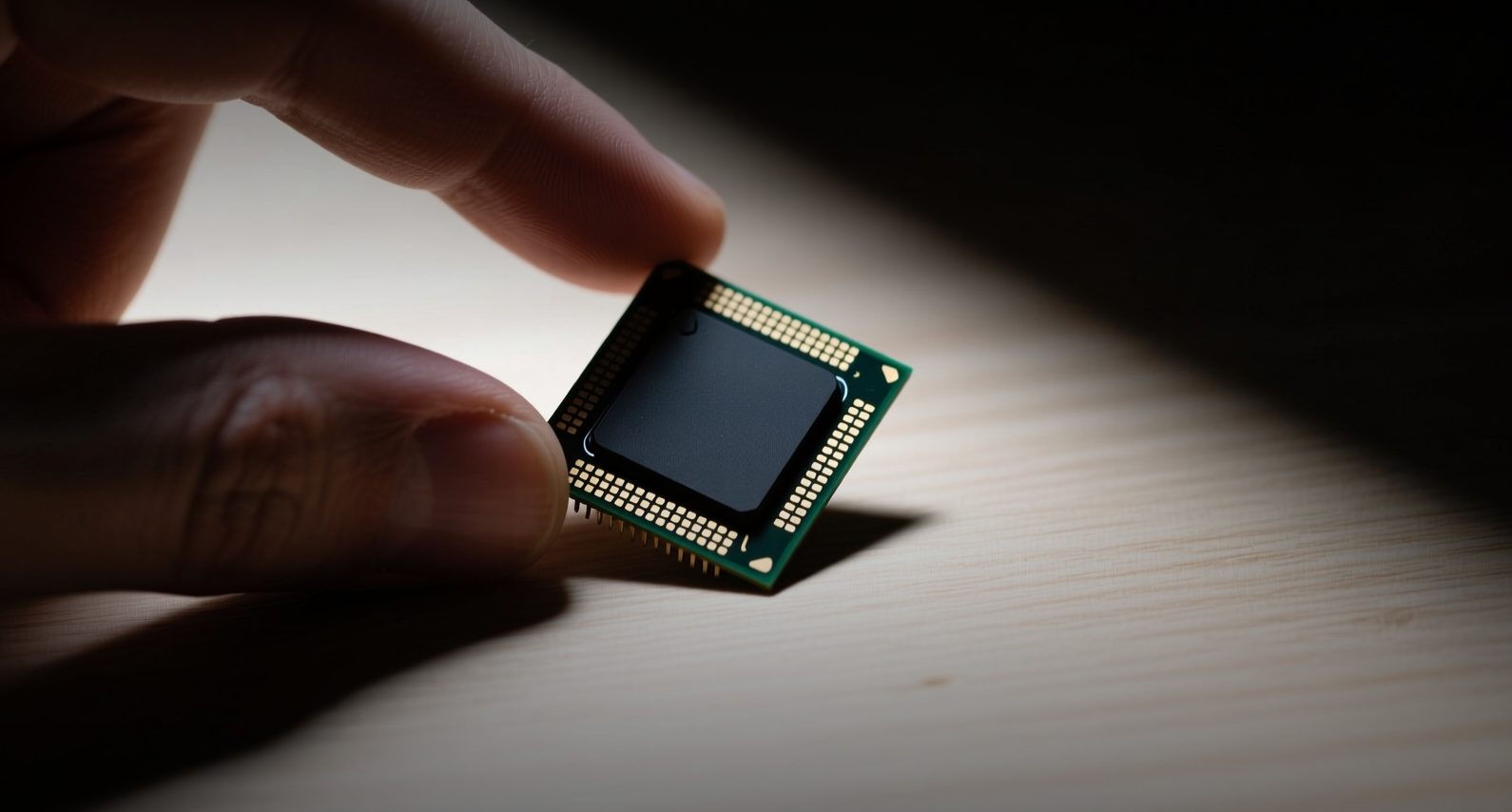
The S&P 500 fell 0.2% and the Nasdaq Composite slid 0.7% on Wednesday as a selloff in AI-related chip stocks deepened ahead of the June jobs report.
"The rotation out of semiconductors is healthy — a passing of the baton to non-commodity cyclical sectors would show the bull market can continue," said Rob Anderson, strategist at Ned Davis Research.
The VanEck Semiconductor ETF lost 5.4%, with Micron Technology and Sandisk each dropping more than 10%. South Korea's Kospi tumbled 5.36% at the open Thursday, triggering a five-minute trading halt, as SK Hynix and Samsung Electronics each fell more than 8%. Kioxia Holdings plunged 14% in Japan after a blistering rally that had sent the stock up more than 650% this year.
The selloff leaves the market at a critical juncture ahead of Thursday's jobs report, with economists expecting 115,000 new positions. A weaker-than-forecast number could amplify recession fears, while a strong print may fuel concerns that the Federal Reserve will keep rates higher for longer.
The declines extended beyond semiconductors. The Dow Jones Industrial Average erased a 423-point intraday gain to close near flat, while US stock futures pointed to further losses, with contracts on the S&P 500 and Nasdaq 100 each down 0.1%. Japan's Nikkei 225 declined 0.7%, while Australia's S&P/ASX 200 fell 0.6%.
Several developments weighed on the technology sector. Meta Platforms is developing plans for a cloud infrastructure business that would sell access to AI computing power, fueling concerns the company may have overbuilt capacity. Separately, Apple is in negotiations to purchase chips from two Chinese semiconductor makers, raising questions about the competitive edge enjoyed by South Korean memory producers.
The selloff coincided with a decline in oil prices, with Brent crude falling 0.8% to $71 a barrel, the lowest since February, as flows through the Strait of Hormuz climbed. Gold rose for a second day after Federal Reserve Chair Kevin Warsh said price risks have moderated in recent weeks. The US 10-year Treasury yield held its ground as traders recalibrated rate expectations. The dollar index edged lower, providing some relief to emerging-market currencies.
US manufacturing expanded for a sixth straight month in June, with the war-driven surge in input costs easing, adding to signs the economy remains resilient. Printing, electrical equipment and textiles led gains, while paper products and furniture contracted.
"The recent pullback is a healthy reset, not a structural break," said Darrell Cronk, president of Wells Fargo Investment Institute. "AI is moving from excitement to scrutiny — a shift from build-at-any-cost to proving the ROI narrative."
Warsh, speaking at the European Central Bank's annual forum in Sintra, Portugal, said inflation expectations had moderated over the past month and reiterated the Fed's commitment to restoring price stability. His remarks damped expectations of a July rate increase, according to Evercore strategist Krishna Guha.
This article is for informational purposes only and does not constitute investment advice.
