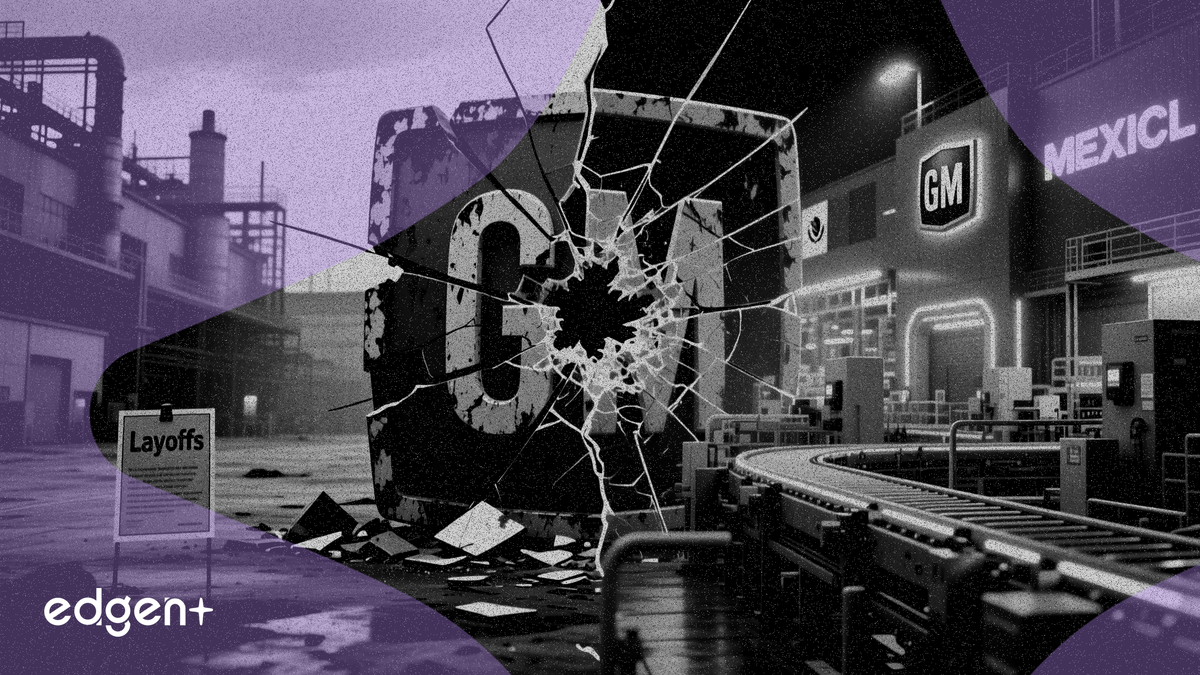
General Motors, Kuzey Amerika'daki küresel otomobil üreticileri arasındaki daha geniş stratejik yeniden yapılanmayı vurgulayan önemli bir sermaye girişiyle Meksika, Toluca'daki üretim tesisine 1 milyar dolar yatırım yapmayı planlıyor. 20 Mayıs'ta bildirilen bu hamle, şirket ABD'deki beyaz yakalı iş gücünü azaltırken bile GM'nin en büyük pazarındaki üretim kapasitesini artırmayı hedefliyor.
Otomobil endüstrisi, değişen ticaret politikaları ve tedarik zinciri kırılganlıklarının karmaşık bir ortamında yol alıyor. Bir Toyota sözcüsü geçtiğimiz günlerde Reuters'a verdiği demeçte, sektörün hakim mantığını özetleyerek "Üretim felsefemiz sattığımız yerde inşa etmek ve inşa ettiğimiz yerden satın almaktır" dedi. "Rekabetçi kalabilmek ve müşteri talebiyle uyumlu olmak için üretim ayak izimizi düzenli olarak değerlendiriyoruz."
Toluca tesisindeki 1 milyar dolarlık yatırım, GM'nin Amerika Birleşik Devletleri'ndeki son maliyet düşürücü önlemleriyle tam bir tezat oluşturuyor. Kamu dosyalarına göre otomobil üreticisi, 2022'den bu yana yaklaşık 11.000 maaşlı pozisyonu keserek Detroit Üçlüsü'nün son iş gücü azaltımındaki en büyük paydan sorumlu. Ford, GM ve Stellantis genelindeki daha geniş kesintiler 20.000 işi aştı. Bu yeni yatırım, kıta genelindeki üretim operasyonlarını ve sermaye tahsisini yeniden dengelemek için stratejik bir eksen değişiminin altını çiziyor.
Tehlikede olan, geleneksel otomobil üreticilerinin USMCA ticaret anlaşması, belirli Meksika yapımı araçlara uygulanan %25'lik ABD tarifesi ve maliyetli elektrikli araç geçişiyle tanımlanan yeni bir döneme nasıl uyum sağlayacağıdır. GM, Meksika'daki üretim köklerini derinleştirirken, rakipleri farklı bahisler oynuyor. Toyota, Teksas'taki bir fabrikayı genişletmek için 2 milyar dolar yatırım yaparken, Stellantis Çin ve Avrupa'da agresif bir genişleme sürdürerek gelecekteki karlılığı güvence altına alma yarışında farklı yollar sergiliyor.
Otomobil Üreticileri Kuzey Amerika Stratejisinde Ayrışıyor
General Motors'un Meksika'da genişleme kararı, büyük otomobil şirketlerinin küresel ayak izlerini yeniden yapılandırırken izledikleri birkaç yoldan biridir. Stratejiler, her şirketin benzersiz pazar konumuna ve zorluklarına bağlı olarak farklılaşıyor gibi görünüyor.
Örneğin Toyota'nın, San Antonio, Teksas'taki fabrikasını 2 milyar dolarlık bir yatırımla genişlettiği bildiriliyor. Bu hamle, popüler Tacoma pikap kamyonunun üretimini Meksika'dan ABD'ye geri kaydırmanın potansiyel bir öncüsü olarak görülüyor ve güney komşusundan ithal edilen araçların karlılığını azaltan %25'lik tarifeye doğrudan yanıt veriyor.
Bu arada Honda, yaklaşık 70 yıl içindeki ilk yıllık kaybına yol açan elektrikli araçlara yönelik maliyetli ve erken bir bahisten kurtulmaya çalışıyor. Yeni stratejisi, hibrit üretimini artırmayı ve marjları iyileştirmek ve tarife etkilerinden kaçınmak için ABD'deki yerel parça tedarikini on yılın sonuna kadar %16'dan %90'ın üzerine çıkarmayı içeriyor. Buna karşılık Stellantis, Çinli Dongfeng Grubu ile ortaklığını ikiye katlayarak ve Avrupa'da otomobil üretmek ve satmak için elektrikli araç üreticisi Leapmotor ile ortak girişimi genişleterek farklı bir yol izliyor.
GM'nin Toluca üzerindeki 1 milyar dolarlık bahsi, Meksika'daki mevcut altyapısından yararlanırken ticaret ortamında gezinmek için bir yol gördüğünü gösteriyor. Yatırım, ana vatanındaki maaşlı iş gücünü azaltırken bile Kuzey Amerika ticaret bloku içindeki maliyetleri ve tedarik zincirlerini yönetme yeteneğine olan güveni simgeliyor.
Bu makale yalnızca bilgilendirme amaçlıdır ve yatırım tavsiyesi teşkil etmez.