
The pound held gains against a weakening dollar Friday after President Donald Trump's surprise ceasefire announcement with Iran upended safe-haven flows and reignited bets on a less aggressive Fed rate path.
The pound held gains against a weakening dollar Friday after President Donald Trump's surprise ceasefire announcement with Iran upended safe-haven flows and reignited bets on a less aggressive Fed rate path.
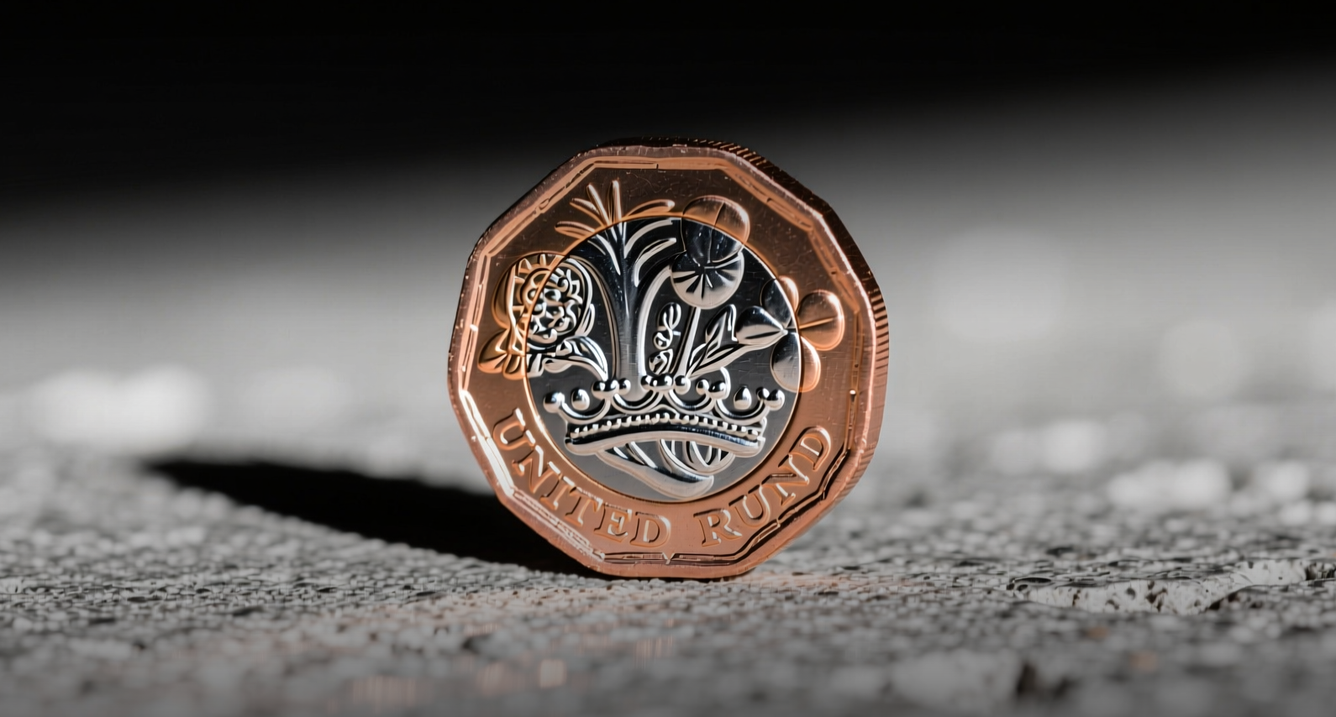
GBP/USD traded at 1.3420 in late New York trading, up 0.3% on the day, as Trump's unexpected call for a ceasefire with Iran sent the dollar index sliding 0.4% to 104.80 and triggered a broad unwind of geopolitical risk premium built up over the past week.
"The ceasefire announcement caught markets off guard and forced a rapid unwind of dollar longs that had built up on Iran risk premium," said Elena Fischer, geopolitical risk analyst at Edgen. "The pound is benefiting disproportionately because UK rate expectations are less exposed to oil-driven inflation than the US."
The dollar weakened across the board, with the Bloomberg Dollar Spot Index falling 0.4%. Brent crude oil dropped 3.2% to $74.50 a barrel after Trump's statement, reversing part of the 4% spike triggered by US strikes on Iranian military targets earlier this week. Gold slipped 0.5% to $4,085 per ounce as safe-haven demand ebbed. The 10-year US Treasury yield declined 6 basis points to 4.51%, as markets pared bets on Federal Reserve rate hikes. The CBOE Volatility Index fell below 16, retreating from the 18 level reached midweek when the US launched more than 80 strikes on Iranian air defense systems and naval infrastructure.
The ceasefire announcement reshapes the macro outlook for the third quarter. CME FedWatch data showed the probability of a September rate hike falling to 55% from 70% before the news, while the odds of two quarter-point hikes by year-end dropped to about 35% from nearly 50%. If the truce holds, the dollar could face further pressure as oil-driven inflation fears recede, potentially giving the Fed room to hold rates steady through year-end. The last time a similar de-escalation occurred — during the 2023 US-Iran prisoner swap — the dollar index fell 1.2% over the following two weeks while Brent crude declined 6%. The next test for GBP/USD comes with UK GDP data due July 15, with economists polled by Bloomberg expecting a 0.2% month-on-month expansion.
This article is for informational purposes only and does not constitute investment advice.
