China's 43.97 million new energy vehicles are entering a high-mileage phase that the industry's aftermarket infrastructure was never designed to handle — and GAC Aion just became the first major OEM to confront the bill.
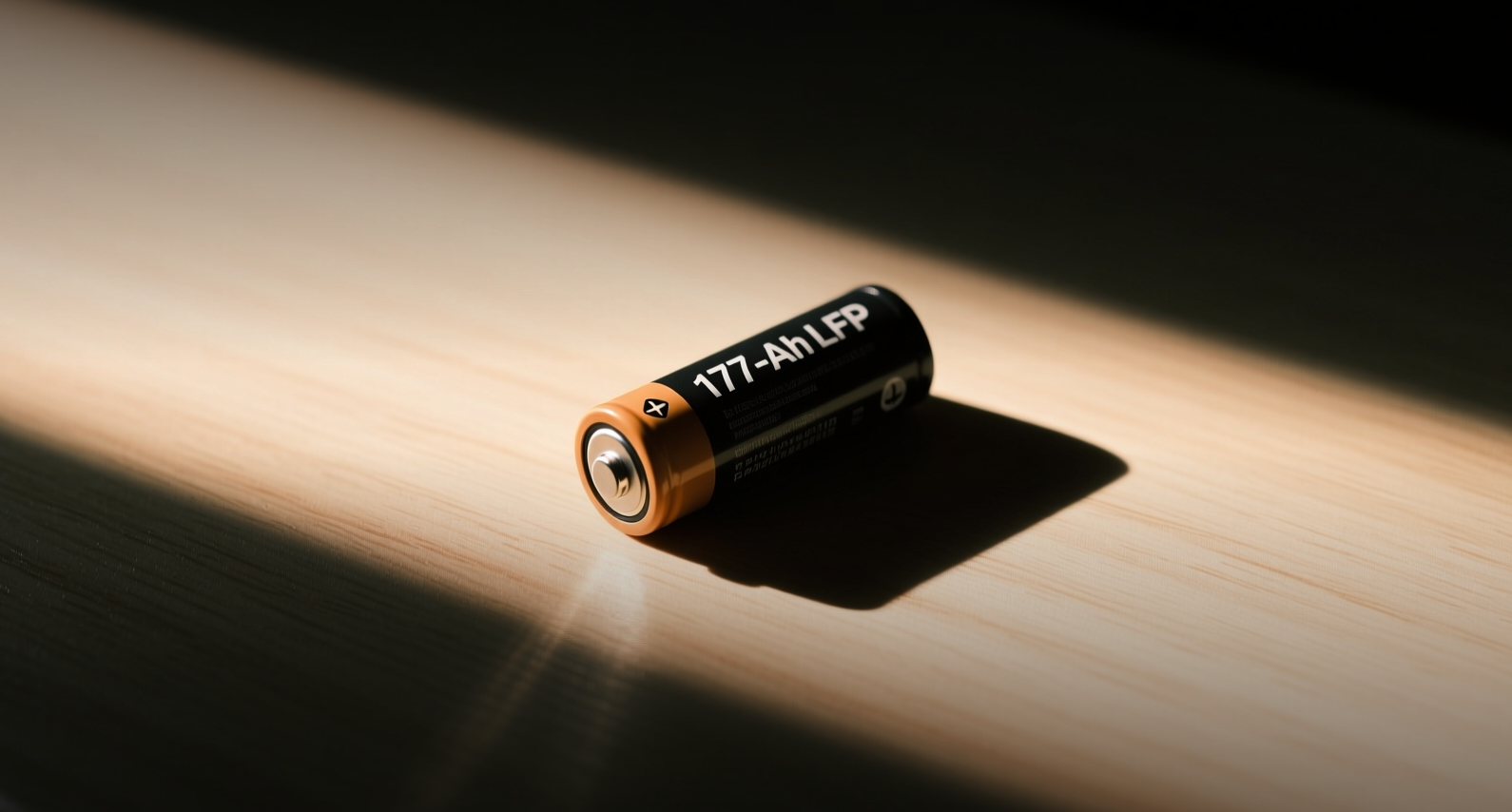
GAC Aion on July 18 extended the battery warranty on certain Aion S fleet vehicles to eight years or 300,000 kilometers, up from 150,000 kilometers, after 182 complaints surfaced in the first 18 days of July alone. The affected vehicles, equipped with CALB's 177-Ah lithium iron phosphate cells, experienced swelling, leakage and insulation faults concentrated between 150,000 and 300,000 kilometers — precisely the mileage range where many commercial EVs exit factory warranty coverage.
"The problem most likely stems from the battery design side, and the manufacturer may have drastically shortened validation testing time in a rush to grab market share," a battery repair engineer in Tianjin who has handled more than 30 such cases told Xinhua News Agency, speaking on condition of anonymity.
CALB, which overtook Gotion High-tech in June to rank third in China's battery market with a 6.82% share, said it would provide free inspection and repair services directly through its own service outlets. GAC Aion also pledged to strengthen remote battery monitoring and proactively contact users when anomalies are detected. One Suzhou-based owner who experienced a system failure at 230,000 kilometers was initially quoted 80,000 yuan ($11,811) to replace the entire battery pack — roughly a third of the vehicle's original purchase price.
The episode exposes a structural gap in China's EV aftermarket. By the end of 2025, the country had 43.97 million new energy vehicles on the road, according to the Ministry of Public Security. China Automotive Information Technology estimates that more than 9 million NEVs will exit warranty coverage by 2030, and that figure could exceed 20 million by 2032. Yet only 2% to 3% of the nation's 20,000 to 30,000 auto repair shops possess the diagnostic equipment, technical documentation and authorization to service battery, motor and electronic control systems, according to industry estimates.
The Warranty Gap Becomes a Liability Question
The Aion S failures are not an isolated incident. In late 2025, Geely affiliate Vremt sought 2.31 billion yuan in compensation from Sunwoda over manufacturing consistency defects in battery cells, settling in early 2026. Zeekr subsequently recalled 38,277 Zeekr 001 WE edition vehicles to replace power battery assemblies free of charge.
The common thread: battery degradation and failure are emerging as a systemic cost that the current warranty framework — designed around internal combustion engine vehicles — was never built to absorb. China's new mandatory national standards, which took effect July 1 and require power batteries to achieve "no fire, no explosion" after thermal runaway, apply only to newly type-approved models. Vehicles already on the road fall under existing regulations that lack a unified battery health metric.
"Consumers buy a complete vehicle, but a power battery failure can involve cell quality, pack design, battery management system strategy, assembly workmanship and usage conditions," the Xinhua report noted. When problems arise, the cost allocation between OEM and battery supplier is governed by supply chain contracts invisible to the end customer, leaving owners unsure whom to hold accountable.
What This Means for Investors
The Aion S warranty extension sets a precedent that other Chinese OEMs may be forced to follow as their early EV fleets cross the 150,000-kilometer threshold. BYD, which supplies its own Blade batteries and held an 18.49% market share in June, faces less counterparty risk than peers reliant on third-party suppliers. CATL, with a 42.70% domestic share, has the scale to absorb warranty costs but could face margin pressure if similar issues emerge across its customer base.
For CALB, the reputational damage comes at a sensitive moment. The company's installed volume grew 36.3% year-on-year to 23.8 GWh in the first five months, and it had just overtaken Gotion High-tech for the No. 3 spot in China. The 177-Ah cell controversy could slow its momentum as automakers reassess supplier quality assurance programs.
The broader takeaway: China's EV industry is entering a phase where the cost of battery degradation — once a theoretical line item in financial models — is becoming a real P&L charge. With no standardized health metric and limited independent repair capacity, the liability overhang for OEMs and battery makers will only grow as the 43.97 million vehicles on the road today accumulate mileage.
This article is for informational purposes only and does not constitute investment advice.