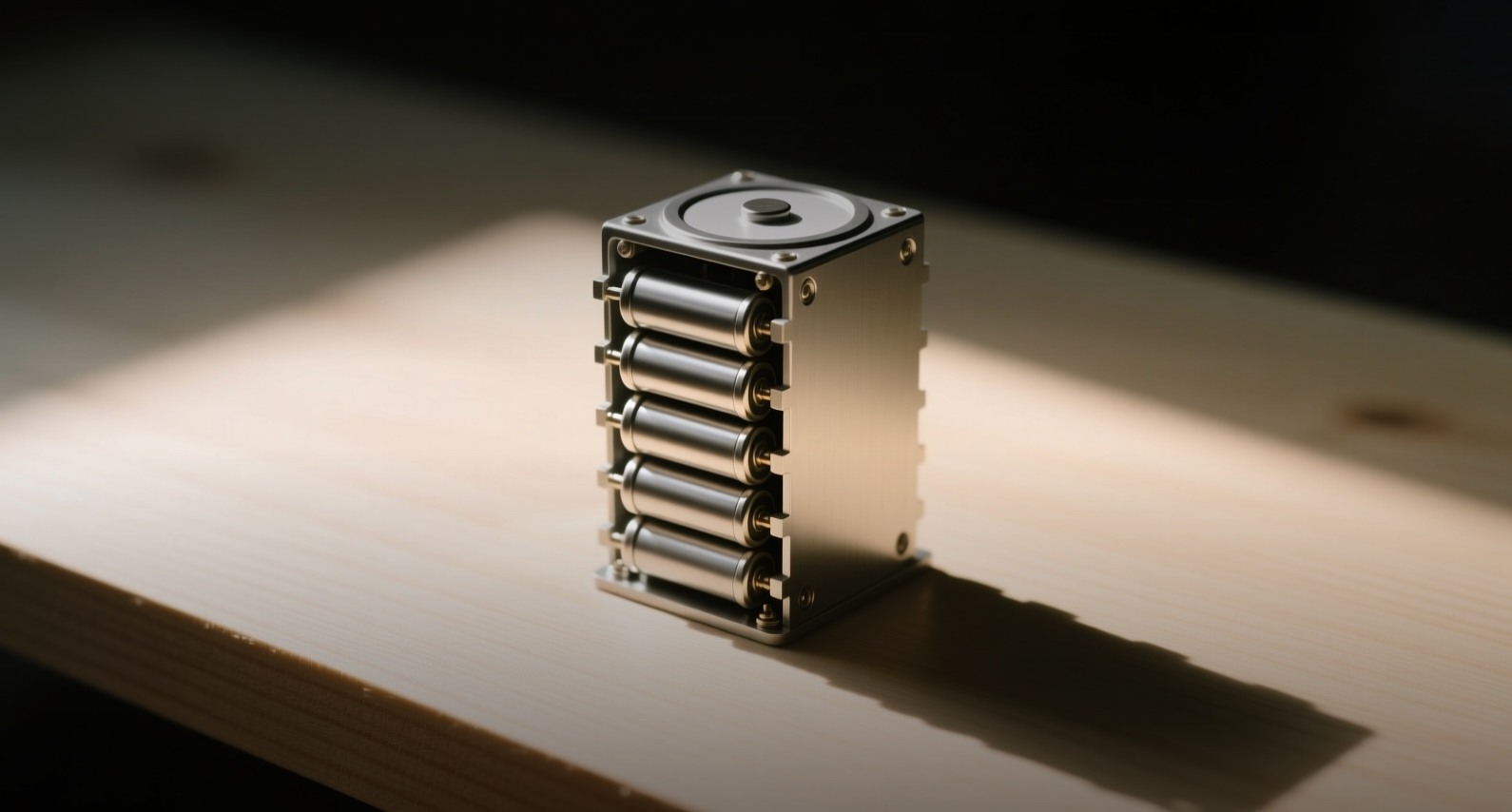
FuelCell Energy's agreement with Fit Energy to supply up to 380 megawatts of clean baseload power marks the company's largest data center deal to date, confirming its bet on fuel cells as an alternative to grid-connected generation for AI infrastructure.
FuelCell Energy Inc. jumped as much as 16% in premarket trading Wednesday after announcing a strategic agreement with Fit Energy USA LP to provide up to 380 megawatts of clean, baseload on-site power for data centers using its utility-scale fuel cell technology. The deal includes an immediate deposit for an initial 30 megawatts scheduled to begin delivery later this year.
"This agreement further confirms our decision to scale our operations to 500 megawatts, preserving our ability to serve a broad and growing pipeline of customers," Jason Few, president and chief executive officer of FuelCell Energy, said in a statement.
Under the arrangement, Fit Energy will receive warrants tied to future deployment milestones of up to 380 megawatts, a structure designed to align long-term value creation with project execution. Canaccord Genuity advised FuelCell Energy on certain aspects of the transaction.
The AI Power Crunch Opens a Door for Fuel Cells
Data centers consumed 4% to 5% of total U.S. electricity in 2024, a share that could nearly triple by 2028, according to government estimates. That demand surge has utilities and developers scrambling for generation capacity, with the Trump administration this week announcing $17.5 billion in loans to accelerate 10 new nuclear reactors — a sign of how seriously policymakers view the power gap.
Fuel cells offer a different solution: modular, behind-the-meter generation that can be deployed faster than nuclear plants or large gas turbines. Fit Energy's chief executive officer Joel Leonoff described the deal as "a critical step in building the power foundation required for the next generation of AI infrastructure," with a goal of delivering behind-the-meter power at gigawatt scale.
Scale Ambition Meets Execution Risk
FuelCell Energy's global deployments are approaching one gigawatt, giving it a track record that few fuel cell competitors can match. The company's decision to scale operations capacity to 500 megawatts — referenced by Few as supported by this agreement — positions it to serve a pipeline that includes hyperscale data center developers.
But the deal's warrant structure ties Fit Energy's equity upside to deployment milestones, meaning the full 380 megawatts will only materialize if both parties execute successfully. The initial 30-megawatt tranche, backed by an immediate deposit, provides a concrete near-term revenue signal.
FuelCell Energy shares, which closed at $24.39 on Tuesday, traded as high as $25.70 in premarket action, adding roughly $200 million to the company's $1.48 billion market capitalization. The stock remains volatile — short interest stood at 23.8% of float as of late May, according to exchange data, creating potential for further swings as the market prices in execution milestones.
Competitors in the data center power space include Bloom Energy Corp., which also sells fuel cell systems for on-site generation, and traditional backup power providers such as Caterpillar Inc. and Generac Holdings Inc. The broader push toward clean, dispatchable power for AI workloads has also drawn interest from nuclear developers, with Oklo Inc. and NuScale Power Corp. pursuing small modular reactor projects.
For investors, the question is whether FuelCell Energy can convert its pipeline into recurring revenue at a scale that justifies its current valuation. The company's $1.48 billion market cap implies expectations of significant future cash flows, yet the company has not consistently generated positive net income. The 380-megawatt agreement, if fully executed, would represent a material step toward profitability — but the warrant-based structure means Fit Energy shares directly in that upside.
This article is for informational purposes only and does not constitute investment advice.