
FTSE Russell은 화요일 대형 IPO에 대한 신속 편입 제도를 도입해, 투자 가능 시가총액이 Russell Top 500 기준치를 초과하는 기업이 상장 후 5거래일째부터 지수에 편입될 수 있도록 했다. 이는 사상 최대 규모인 스페이스X의 750억 달러 IPO를 위한 길을 열어주는 규정 변경이다.
FTSE Russell은 화요일 대형 IPO에 대한 신속 편입 제도를 도입해, 투자 가능 시가총액이 Russell Top 500 기준치를 초과하는 기업이 상장 후 5거래일째부터 지수에 편입될 수 있도록 했다. 이는 사상 최대 규모인 스페이스X의 750억 달러 IPO를 위한 길을 열어주는 규정 변경이다.
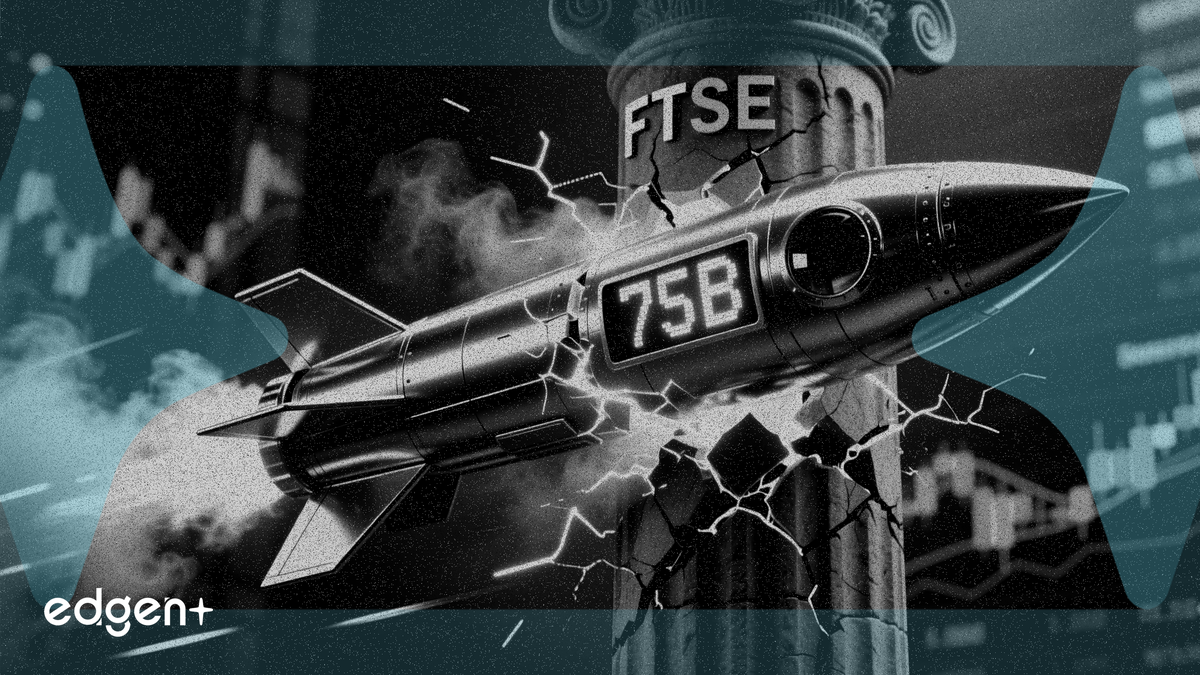
FTSE Russell은 화요일 대형 기업공개(IPO)에 대한 신속 편입 제도를 도입했다. 투자 가능 시가총액이 Russell Top 500 기준치를 초과하는 기업은 상장 후 5거래일째부터 벤치마크 지수에 편입될 수 있다. 이번 변경은 즉시 발효되며, 기존 분기별 리뷰 일정을 대체한다. 앞서 FTSE Russell은 2월에 시장 의견 수렴을 진행한 바 있다.
FTSE Russell의 미국 지역 주식 및 멀티에셋 지수 책임자인 아르네 노악(Arne Noack)은 "대형 IPO의 신속한 지수 반영은 거버넌스나 투자 가능성 기준을 훼손하지 않으면서 미국 시장의 적시성 있는 벤치마크로서 지수의 역할을 강화한다"고 밝혔다.
새로운 프레임워크는 상장 시 이용 가능한 유동주식 수에 상장 첫날 종가를 곱해 투자 가능 시가총액을 산출한다. 적격 IPO는 일반적으로 5거래일째 장 마감 후 지수에 추가된다. Russell Top 500의 시장 조정 기준점은 직전 리뷰 기준으로 현재 175억 달러다. 락업 계약으로 인해 최소 5% 유동주식 또는 의결권 요건을 충족하지 못하는 기업도, 락업 구조가 편입일로부터 12개월 이내에 해당 요건을 충족할 수 있도록 보장한다면 자격을 유지한다.
이번 규칙 변경은 스페이스X의 상장이 예상되는 불과 몇 주 전에 이뤄졌다. 스페이스X의 상장은 역사상 최대 규모의 IPO가 될 전망이다. 일론 머스크가 이끄는 우주 기업은 최대 1조 7500억 달러의 기업가치를 인정받아 750억 달러 규모의 자금 조달을 목표로 하고 있다. 로드쇼는 6월 4일 시작되며, 주식은 6월 12일 나스닥에 상장될 예정이다. FTSE Russell은 스페이스X의 예상 투자 가능 시가총액 약 700억 달러가 Russell Top 500의 175억 달러 기준치와 FTSE 글로벌 지수 시리즈의 135억 달러 신속 편입 기준치를 모두 충족한다고 확인했다. 이에 따라 스페이스X는 Russell Top 50, Russell Top 200, Russell 1000 및 여러 FTSE 글로벌 지수에 편입될 자격을 갖추게 된다.
이번 조치는 올해 초 나스닥이 IPO 지수 편입 대기 기간을 3개월에서 15일로 단축한 것과 유사하다. S&P 다우존스 인디시즈는 아직 동참 여부를 검토 중이다. 지수 제공업체들의 이러한 움직임은 구조적 압력을 반영한다. 기업들이 비상장 상태를 더 오래 유지하고 훨씬 높은 밸류에이션으로 상장하면서, 분기별 리뷰 주기로는 주요 시장 변화를 따라잡기엔 너무 느려졌다는 것이다. 30조 달러 이상의 자산이 이들 지수를 벤치마크로 삼고 있어, 러셀 2000과 러셀 3000을 추종하는 패시브 펀드들은 리밸런싱일에 신속 편입 종목을 의무적으로 매수해야 한다.
이번 조치의 영향은 스페이스X에만 국한되지 않는다. 샤프링크(Sharplink), 포워드 인더스트리즈(Forward Industries), 제미니(Gemini), 비트마인(Bitmine), 갤럭시 디지털(Galaxy Digital) 등 암호화폐 관련 기업들이 2026년 리밸런싱을 위한 예비 러셀 소형주 편입 리스트에 이름을 올렸다. 이 리밸런싱은 6월 27일에 발효된다. 비트마인만 해도 528만 개의 이더리움을 보유하고 있다고 공시했으며, 암호화폐와 현금 보유액을 합하면 약 126억 달러에 달해 사실상 이더리움 재고주(Treasury Stock) 역할을 하고 있다. 이는 러셀 지수를 벤치마크하는 패시브 펀드들이 의무적으로 매수해야 하는 종목이 된다는 의미다. 오랫동안 예상된 러셀 편입을 거래해온 퀀트 및 차익거래 데스크에게 암호화폐 주식의 추가는 패시브 주식 자금과 디지털 자산 시장 사이의 새로운 전달 채널을 만들어낸다.
일부 투자자들은 신속한 IPO 편입이 시장이 신규 상장 종목의 가격을 완전히 반영하기도 전에 패시브 펀드를 더 높은 변동성에 노출시킬 수 있다는 우려를 제기한다. 그러나 FTSE Russell의 입장은 명확하다. 대형 상장 기업을 적시에 반영하지 못하는 지수는 벤치마크로서의 중요성을 상실할 위험이 있다는 것이다. OpenAI와 Anthropic도 자체적인 상장 준비를 진행 중인 만큼, 이 신속 편입 메커니즘은 향후 분기에 걸쳐 반복적으로 사용될 가능성이 높다.
본 기사는 정보 제공 목적으로만 작성되었으며, 투자 조언을 구성하지 않습니다.
