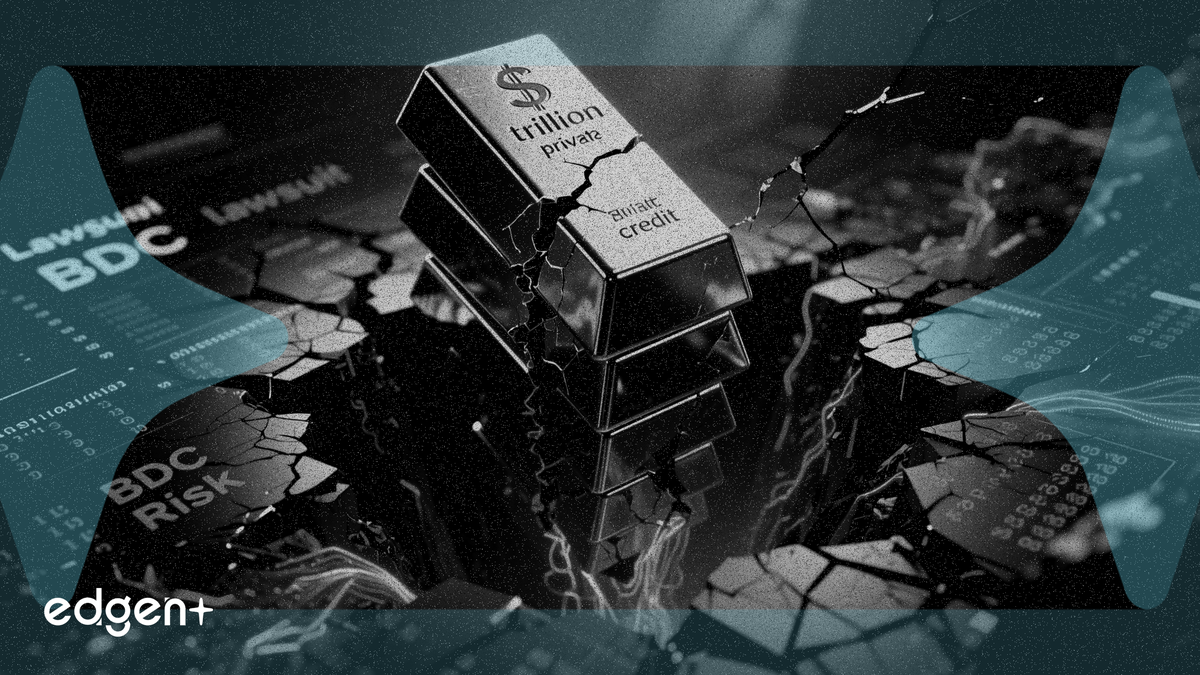
Hội đồng Ổn định Tài chính đang kêu gọi giám sát chặt chẽ hơn đối với thị trường tín dụng tư nhân trị giá gần 2 nghìn tỷ USD, đưa ra những cảnh báo về rủi ro tiềm ẩn đối với hệ thống tài chính toàn cầu ngay khi một vụ kiện tập thể đưa những lo ngại đó ra ánh sáng.
Michael Hayes, giám đốc chiến lược thu nhập cố định tại Arbor Research cho biết: “Đây chính xác là loại rủi ro bóng tối mà FSB lo lắng. Sự thiếu minh bạch của thị trường tư nhân cho phép các mức định giá xa rời thực tế, và sự điều chỉnh có thể diễn ra đột ngột và nghiêm trọng khi sự thật được phơi bày.”
Những rủi ro đó đã trở nên hữu hình đối với các nhà đầu tư của FS KKR Capital Corp. (NYSE: FSK), một công ty phát triển kinh doanh (BDC) lớn. Một vụ kiện được đệ trình vào tháng 5 cáo buộc công ty đã phóng đại sức khỏe danh mục đầu tư của mình, dẫn đến giá trị tài sản ròng (NAV) trên mỗi cổ phiếu giảm 6,2% trong một quý và sau đó là việc cắt giảm cổ tức từ 0,70 USD xuống 0,48 USD. Cổ phiếu của công ty đã giảm 8,20% và 15,24% sau hai đợt công bố thông tin riêng biệt.
Sự việc này làm nổi bật những gì đang bị đe dọa trong thị trường tín dụng tư nhân đang bùng nổ, nơi đã trở thành nguồn vốn quan trọng cho các công ty khi các ngân hàng thắt chặt cho vay. Cảnh báo của FSB, được đưa ra vào ngày 6 tháng 5, chỉ ra các cấu trúc phức tạp, thiếu minh bạch của ngành và khả năng căng thẳng lan sang thị trường đại chúng rộng lớn hơn và hệ thống ngân hàng, báo hiệu một đợt trấn áp quy định có thể sắp diễn ra.
Câu chuyện về hai đợt công bố thông tin
Vụ kiện tập thể, được đệ trình thay mặt cho các nhà đầu tư đã mua cổ phiếu FSK từ tháng 5 năm 2024 đến tháng 2 năm 2026, tuyên bố rằng công ty đã vẽ ra một bức tranh tích cực gây hiểu lầm trong năm quý liên tiếp. Dẫn dẫn các hồ sơ của SEC và các thông cáo báo chí, vụ kiện cáo buộc FS KKR đã nhấn mạnh vào “sự ổn định của danh mục đầu tư” và “mức phân phối hấp dẫn” trong khi các vấn đề tín dụng cũ được cho là đang được giải quyết.
Câu chuyện đó bắt đầu sụp đổ vào ngày 6 tháng 8 năm 2025. Công ty báo cáo giá trị tài sản ròng trên mỗi cổ phiếu đã giảm 6,2% xuống còn 21,93 USD, giá trị hợp lý của các khoản đầu tư giảm 474 triệu USD và các khoản nợ không sinh lời — những khoản vay không tạo ra thu nhập — đã tăng lên 5,3% theo chi phí phân bổ. Ban quản lý cho rằng các vấn đề này là do sự cố tại bốn công ty trong danh mục đầu tư, bao gồm Production Resource Group và 48forty.
Cú sốc thứ hai xảy ra vào ngày 25 tháng 2 năm 2026. Kết quả cả năm cho thấy NAV đã giảm một lần nữa xuống còn 20,89 USD, với một đợt giảm giá trị hợp lý khác trị giá 406 triệu USD. Các khoản nợ không sinh lời tăng nhẹ lên mức 5,5% theo chi phí phân bổ, khiến hội đồng quản trị phải cắt giảm cổ tức hàng quý hơn 30% xuống còn 0,48 USD/cổ phiếu. Cổ phiếu đóng cửa ở mức 11,29 USD vào ngày hôm sau, giảm 15,24%.
Từ lý thuyết đến thực tế
Các cáo buộc chống lại FS KKR đóng vai trò như một nghiên cứu điển hình cho các rủi ro mà FSB đã nêu ra. Báo cáo của cơ quan giám sát toàn cầu cảnh báo rằng sự tăng trưởng nhanh chóng của tín dụng tư nhân, thường được cấp cho những người đi vay rủi ro hơn, phần lớn diễn ra ngoài tầm nhìn của các cơ quan quản lý thận trọng. Việc thiếu dữ liệu minh bạch khiến việc đánh giá sự gia tăng đòn bẩy và rủi ro tín dụng trên toàn hệ thống trở nên khó khăn.
Vụ kiện tuyên bố FS KKR đã phóng đại giá trị danh mục đầu tư của mình và hiệu quả của các nỗ lực tái cấu trúc đối với các công ty đang gặp khó khăn. Trong cuộc họp báo cáo kết quả kinh doanh vào tháng 2 năm 2026, giám đốc đầu tư của công ty tiết lộ rằng bốn công ty đã được gắn cờ trước đó chỉ chiếm khoảng một nửa số lỗ, với các vấn đề mới nổi lên ở các tên tuổi khác như Medallia và Cubic Corp.
Đối với các nhà đầu tư và cơ quan quản lý, vụ việc là một lời nhắc nhở rõ ràng rằng các mức giá trị hợp lý đối với nợ tư nhân kém thanh khoản có thể thay đổi nhanh chóng. Lời kêu gọi giám sát tốt hơn của FSB cho thấy kỷ nguyên tín dụng tư nhân hoạt động trong bóng tối có thể sắp kết thúc, với những hậu quả tiềm tàng đáng kể đối với dòng vốn chảy vào các công ty quy mô trung bình và các công ty do nhà tài trợ hậu thuẫn.
Bài viết này chỉ mang tính chất thông tin và không cấu thành lời khuyên đầu tư.