
A new European-led naval mission is taking shape to secure the world’s most critical oil chokepoint, but its success may hinge on sidelining the United States.
A new European-led naval mission is taking shape to secure the world’s most critical oil chokepoint, but its success may hinge on sidelining the United States.
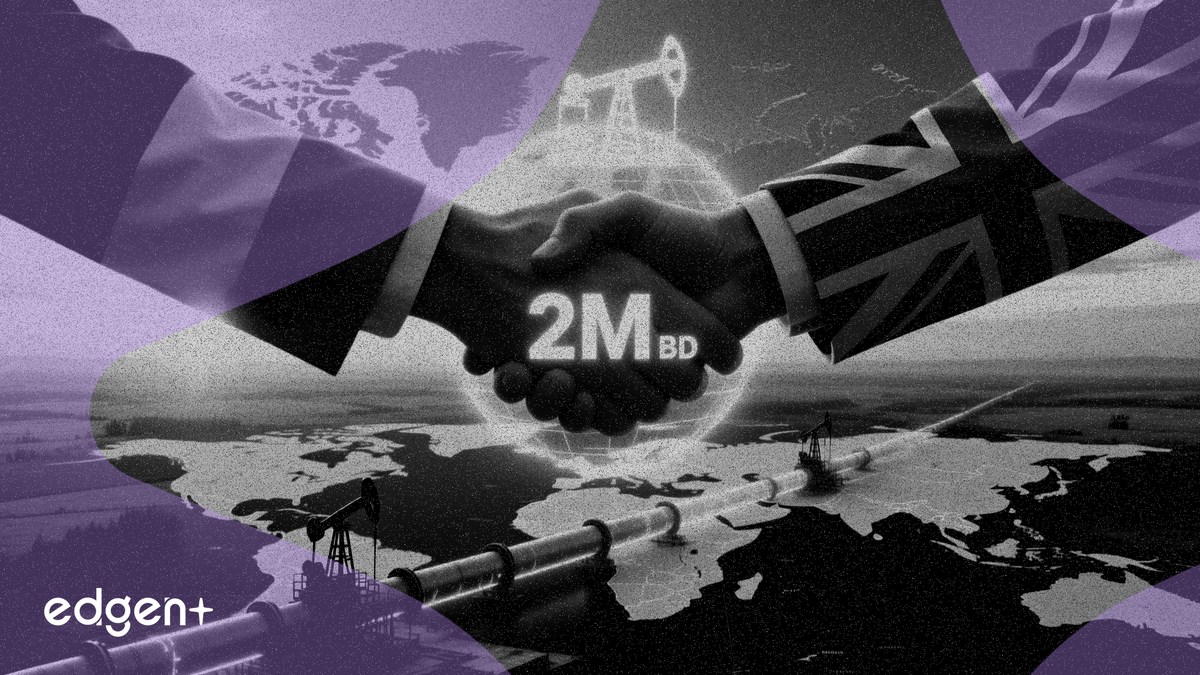
France and the United Kingdom will lead a conference on Friday to organize a multinational force aimed at reopening the Strait of Hormuz once the current Middle East conflict subsides, a plan that diverges sharply from Washington’s hardline blockade strategy against Iran.
"The mission we are referring to could only be deployed once calm has been restored and hostilities have ceased," French Foreign Minister Jean-Noël Barrot said on Tuesday.
The initiative was announced just as U.S. Central Command began enforcing a strict blockade on April 13, targeting all vessels entering or leaving Iranian ports. The move, which involves over 15 U.S. naval vessels, aims to cut off Iran’s nearly 2 million barrels per day of oil exports. Both the UK and France have explicitly stated they will not participate in the American blockade, exposing a significant fracture in Western policy.
The Franco-British proposal highlights a growing diplomatic rift over how to manage the vital waterway, which has been at a near-standstill since U.S.-Israeli strikes on Iran in February. While the U.S. aims to apply maximum economic pressure now to force a nuclear deal, the two European powers are planning for a post-conflict reality, betting that a non-U.S.-led mission will be more palatable to Iran and other regional actors.
The planned videoconference, co-hosted by French President Emmanuel Macron and British Prime Minister Keir Starmer, will invite “non-belligerent” nations to contribute to a “purely defensive mission,” according to the Elysée Palace. The operation’s primary goals would be to conduct major de-mining operations to clear sea mines laid by Iran and to establish a system of military escorts and surveillance to give shipping firms the confidence to resume transit.
However, European diplomats are reportedly divided on the role of the United States. French officials believe excluding the U.S. is essential for securing Tehran’s acceptance of the mission. In contrast, British officials fear that omitting Washington could provoke President Trump and limit the mission's operational capacity. Germany is also considered a likely participant, though it would first need to secure parliamentary approval for any military deployment.
The conflict and subsequent halt in navigation have already sent shockwaves through energy markets, pushing global oil and gas prices higher. A successful U.S. blockade would choke off Iran's main source of revenue, estimated at over $400 million per day, and could force the shutdown of its oil fields within two weeks due to limited onshore storage capacity, according to one analyst.
The situation remains highly volatile. Before the U.S. blockade took effect, at least two oil tankers destined for China reportedly turned around to avoid the strait. The success of the European initiative is critical for stabilizing energy prices, but it remains a post-war plan. In the immediate term, the market is watching the effectiveness of the U.S. blockade and the potential for further escalation after peace talks between Washington and Tehran collapsed over the weekend.
This article is for informational purposes only and does not constitute investment advice.