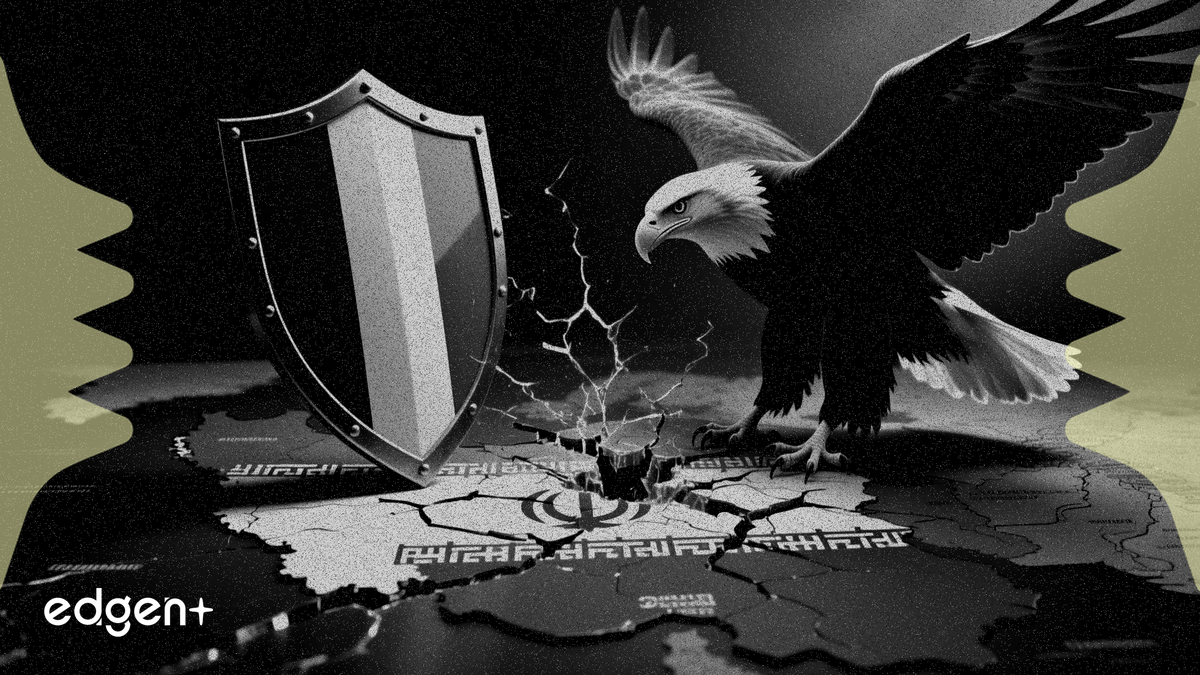
A trans-Atlantic rift over Middle East policy widened after Paris expressed "surprise" at US President Donald Trump's accusation of non-cooperation on Iran, a move that threatens to inject fresh uncertainty into global markets.
Back
A trans-Atlantic rift over Middle East policy widened after Paris expressed "surprise" at US President Donald Trump's accusation of non-cooperation on Iran, a move that threatens to inject fresh uncertainty into global markets.

Tensions between the United States and France escalated on March 31 after President Donald Trump publicly accused Paris of being “extremely uncooperative” with American military actions targeting Iran, a sharp rebuke that the French government met with surprise and pushed oil prices higher on fears of allied disunity. The Élysée Palace responded with "surprise" to the accusation, according to French media reports, signaling a significant public disagreement between two key NATO allies on Middle East policy and military coordination.
Trump’s criticism, delivered via social media, specifically claimed that France had denied overflight rights to US military aircraft transporting supplies to Israel. “France was extremely uncooperative with us on the military action against Iran,” Trump wrote. “The U.S. will remember this!” This public dispute highlights a growing divergence in strategy toward Iran, potentially complicating joint security efforts and increasing geopolitical risk premiums in financial markets. Brent crude futures ticked up in early trading following the news, reflecting concerns over potential instability.
The public spat injects a new layer of uncertainty into the already volatile Middle East, potentially impacting everything from oil supply routes to the stability of regional alliances. For investors, this signals a period of heightened market volatility, with potential negative repercussions for defense and aerospace sectors reliant on allied cooperation and possible fluctuations in commodity prices as markets re-price geopolitical risk.
The disagreement marks a notable fracture in the united front NATO allies have historically sought to present, particularly concerning security in the Middle East. While the U.S. under President Trump has pursued a "maximum pressure" campaign against Iran, European signatories to the 2015 nuclear deal, including France, have attempted to preserve the agreement. This fundamental policy difference now appears to be spilling over into operational military matters, a development that could have far-reaching consequences.
This public dispute between key NATO allies could increase geopolitical uncertainty, leading to heightened market volatility. It may negatively affect defense and aerospace sectors, which rely on international cooperation and stable geopolitical relations. Furthermore, it could cause fluctuations in commodity prices, particularly oil, due to the perceived instability in the Middle East. The last time a similar public disagreement between the U.S. and a major European ally occurred over Middle East military action was during the lead-up to the 2003 Iraq War, an event that caused significant, albeit temporary, volatility in oil and equity markets.
This article is for informational purposes only and does not constitute investment advice.