
Macron used his final Bastille Day parade to showcase European military unity and a landmark 16-jet Rafale deal with Ukraine.
Macron used his final Bastille Day parade to showcase European military unity and a landmark 16-jet Rafale deal with Ukraine.
Macron used his final Bastille Day parade to showcase European military unity and a landmark 16-jet Rafale deal with Ukraine.
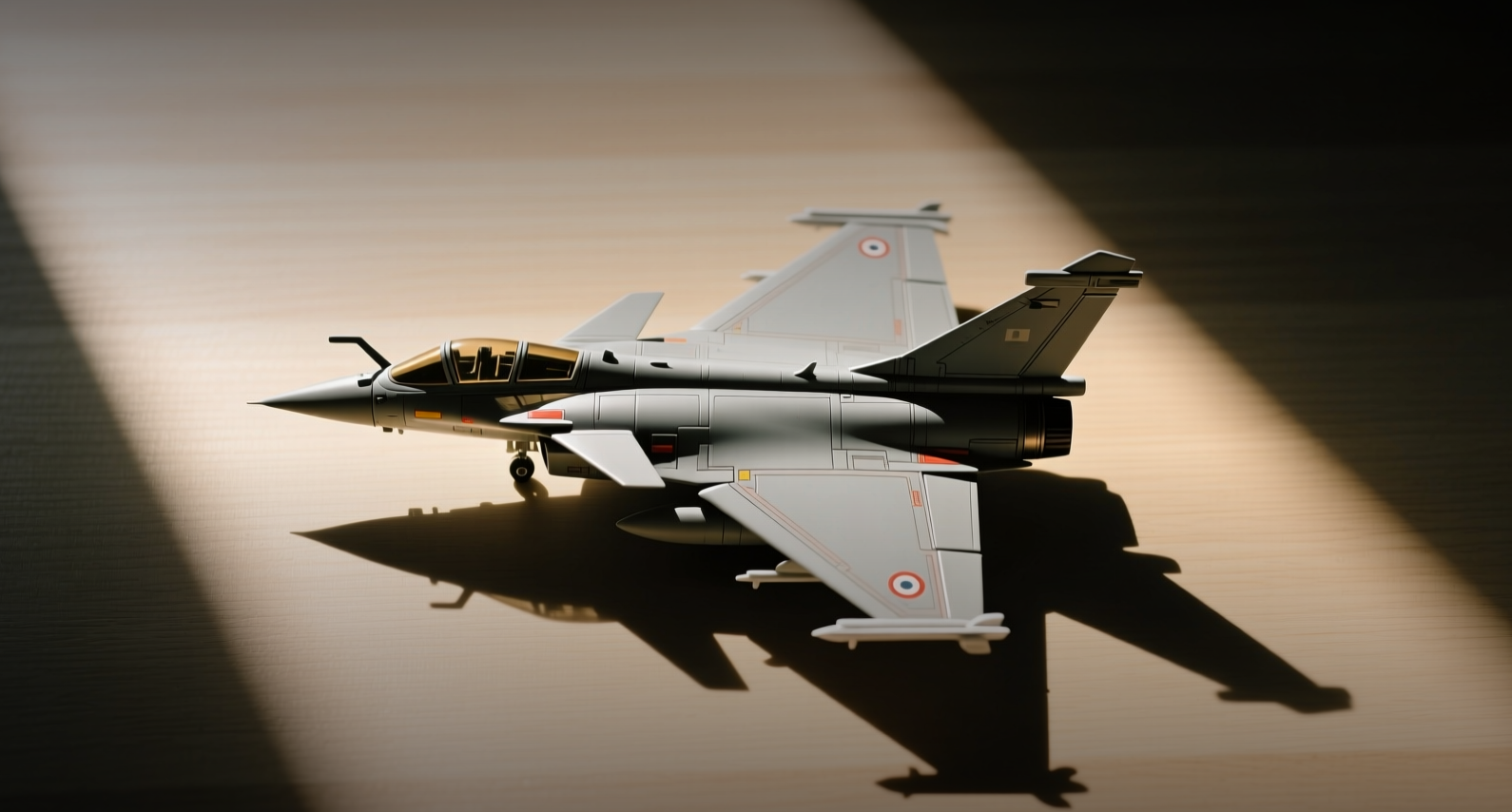
French President Emmanuel Macron used his final Bastille Day parade to announce a 16-jet Rafale fighter deal with Ukraine, part of a broader push to reduce Europe's reliance on the US for defense.
"In just a few years, we will have built new capabilities in Europe and orchestrated a strategic awakening," Macron said Monday in a speech to the military ahead of the July 14 parade.
The agreement gives Ukraine access to Dassault Aviation's F4-standard Rafale jets by 2028-29, plus licenses to produce Safran's AASM Hammer guided bombs, MBDA's Scalp cruise missiles and Aster 30 air defense interceptors on Ukrainian soil. Ten countries — including France, the UK, Germany and Sweden — also formed the Freyja coalition to develop anti-ballistic missile capabilities centered on Ukrainian firm Fire Point's interceptor technology.
The announcements show Europe's accelerated push to build independent defense capacity after the Trump administration slashed military aid to Ukraine. Yet persistent disagreements among allies — including the collapse of a Franco-German stealth fighter project last month — highlight the challenges ahead.
The parade featured nearly 6,700 troops, 98 aircraft, 31 helicopters and 315 vehicles rolling down the Champs-Élysées, with 500 soldiers from the 37-member "coalition of the willing" and 25 Ukrainian troops marching alongside French forces. UK Prime Minister Keir Starmer, German Chancellor Friedrich Merz and Ukrainian President Volodymyr Zelensky attended as Macron's guests. The spectacle was Macron's last as president before he steps down in 2027 after a maximum two consecutive terms.
The Rafale deal follows Ukraine's November 2025 letter of intent to buy up to 100 of the multirole jets. Kyiv has also agreed to purchase 20 new Saab Gripen fighters, with Sweden planning to donate 16 older models next year. Ukraine already operates US-made F-16s, primarily in an air defense role against Russian cruise missiles and drones. Ukrainian pilots trained in France co-piloted two French Mirage 2000s during the flyover.
Europe's Strategic Autonomy Faces Test
Macron has spent his two terms pushing for "strategic autonomy" — the ability for Europe to shoulder more of its own defense burden. The argument gained force after Trump upended trans-Atlantic relations with threats to reduce military support for Ukraine. But efforts to wean Europe off US technology face structural hurdles. Last month, France and Germany abandoned plans to build a joint stealth fighter after Dassault's lead role angered Airbus, which has a large German presence. The parade itself included US-made F-35s and F-16s flown by European allies, a reminder of the continent's continued dependence on American hardware.
The Freyja anti-ballistic missile coalition aims to fill a critical gap in Ukraine's defenses. The country has suffered a shortage of interceptors to defeat ballistic threats as Russia has stepped up missile attacks. The project brings together European defense contractors including MBDA, Saab, Safran, Thales, Kongsberg, Diehl Defence and Destinus. Zelensky said the coalition could build a mass-produced system within 12 months that "will not be expensive for Europe to produce." The last time Europe launched a comparable coordinated defense buildup was during the Cold War-era NATO burden-sharing debates of the 1980s, which led to sustained real increases in European defense spending over the following decade.
For European defense contractors, the shift represents a multiyear revenue opportunity. Dassault's Rafale backlog now includes up to 100 potential Ukrainian orders alongside existing export commitments to Egypt, Qatar, India and Greece. Thales, Safran and MBDA stand to benefit from licensed production agreements that could extend well beyond Ukraine's current needs. The broader European defense sector has attracted increased investor attention as governments boost spending, with the Stoxx Europe Aerospace & Defense index rising in recent months on the back of higher procurement commitments from Berlin, Paris and London.
This article is for informational purposes only and does not constitute investment advice.
