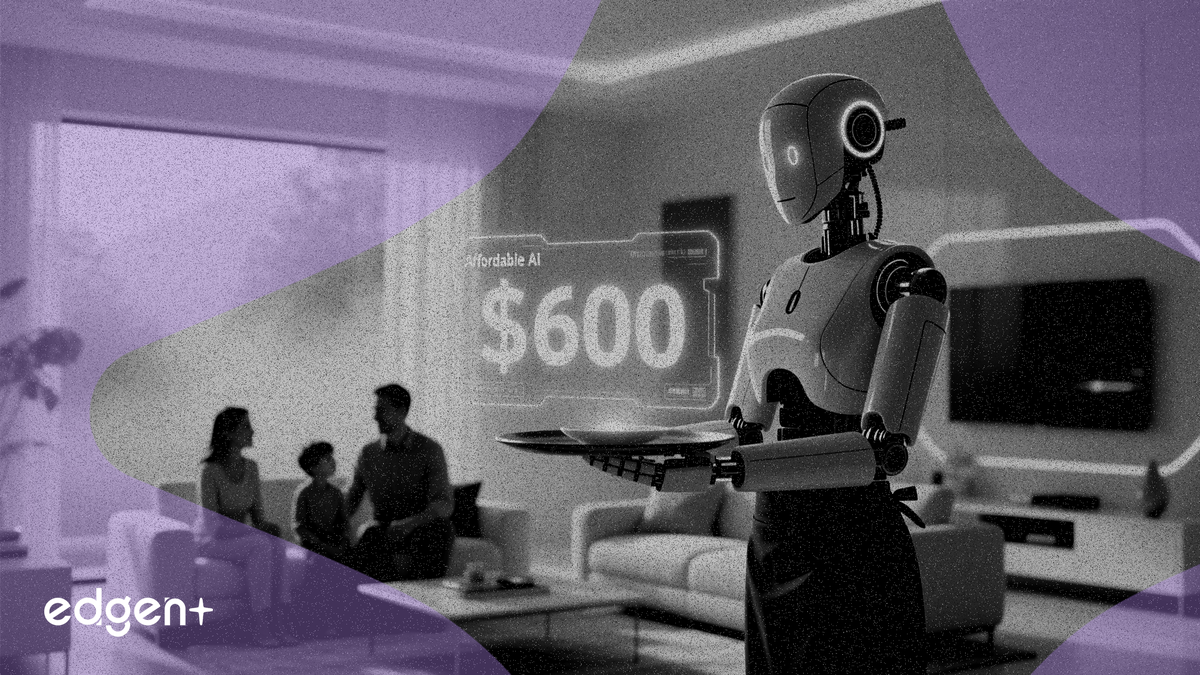
La commercialisation des robots humanoïdes pivote de l'usine vers le salon après que le PDG de Figure, Brett Adcock, a annoncé son intention de louer les androïdes de la société aux consommateurs pour environ 600 $ par mois. Cette décision donne la priorité au marché domestique pour les tâches quotidiennes, ouvrant un nouveau front axé sur le consommateur dans un secteur auparavant orienté vers l'automatisation industrielle et la logistique.
« Vous pouvez vous attendre à louer un Figure 03 pour environ 600 $ par mois », a déclaré Adcock, comparant ce modèle à une location automobile. Il a décrit le projet de l'entreprise de déployer des robots pour des tâches telles que la lessive, la vaisselle et le rangement des pièces comme une priorité à « court terme », un changement stratégique significatif par rapport à l'accent dominant de l'industrie sur la vente ou la location de robots aux entreprises pour une utilisation dans les entrepôts et les usines de fabrication.
Figure n'est pas seule à viser le marché grand public. 1X Technologies, soutenue par OpenAI, prend déjà des précommandes pour son humanoïde domestique NEO, proposant un prix d'achat en accès anticipé de 20 000 $ ou un abonnement de 499 $ par mois, les premières livraisons étant prévues pour cette année. Les modèles de vente directe aux consommateurs de Figure et 1X entrent sur un marché où Tesla a également affiché ses ambitions de fixer le prix de son robot Optimus sous les 20 000 $.
La course pour trouver un modèle économique viable pour les robots humanoïdes oppose désormais la stratégie d'abonnement grand public des startups américaines à l'échelle de fabrication de leurs homologues chinois. Bien qu'Adcock ait publié un graphique montrant que la production mensuelle de Figure est en croissance, le graphique manquait d'un axe Y pour vérifier le nombre réel d'unités. En revanche, le concurrent chinois Agibot aurait livré environ 5 000 robots humanoïdes en seulement trois mois.
La réalité du marché surchauffé de la Chine
Tandis que les entreprises américaines fixent des prix pour les consommateurs, le marché des robots humanoïdes le plus important et le plus actif au monde, en Chine, offre une mise en garde. Le pays, qui a expédié environ 90 % des robots humanoïdes mondiaux en 2025, compte plus de 150 entreprises en concurrence pour un marché qui reste largement insatisfait de la technologie actuelle.
Une récente enquête de Morgan Stanley a révélé que seulement 23 % des entreprises chinoises censées acheter ces robots sont satisfaites des produits disponibles. Les principales plaintes concernent la faible autonomie de la batterie, souvent de seulement deux à trois heures par charge, et des capacités limitées qui peinent à justifier les coûts. Selon l'enquête, une adoption massive nécessiterait que les prix tombent sous les 28 000 $, un objectif que visent de nombreux fabricants, dont les chinois Unitree et Kepler.
L'écart entre le volume de production et la maturité du marché est un défi critique. Des entreprises comme Agibot et Unitree poursuivent des introductions en bourse de plusieurs milliards de dollars sur la base de leurs capacités de fabrication, mais la demande sous-jacente reste non prouvée. La Commission nationale du développement et de la réforme de la Chine a déjà émis un avertissement public concernant le secteur, notant des produits redondants et une bulle potentielle.
Pour les investisseurs, l'indicateur clé n'est pas le volume de production mais la viabilité commerciale. Le succès de Figure, 1X et de leurs rivaux dépendra de la capacité de leurs robots à effectuer des tâches réelles et non structurées de manière suffisamment fiable pour convaincre un foyer ou une entreprise de payer pour eux chaque mois. En l'état actuel du marché, cette question reste sans réponse. Le gagnant sera l'entreprise qui résoudra le problème de l'utilité, et pas seulement celle qui construira le plus de machines.
Cet article est à titre informatif uniquement et ne constitue pas un conseil en investissement.