
- 연방공개시장위원회(FOMC)의 3월 의사록에 따르면 연준이 양면적 위험에 고심하고 있는 것으로 나타났습니다.
- 당국자들은 1년여 만에 처음으로 향후 금리 인상 가능성을 인하 가능성과 동일하게 보고 있습니다.
- 이러한 완화 편향에서의 선회는 이란 전쟁과 지속적인 고인플레이션으로 인해 중앙은행이 정책을 더욱 긴축해야 할 수도 있다는 우려가 커지고 있음을 반영합니다.
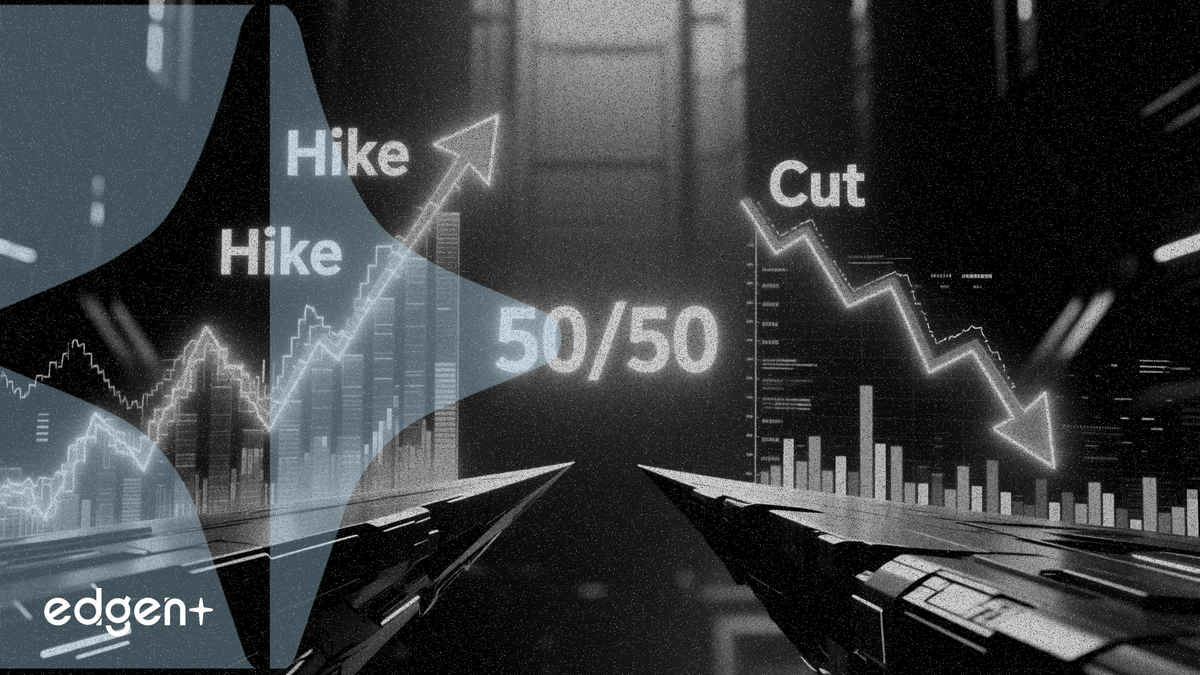
연준의 최신 회의 의사록에 따르면 정책 입안자들은 이제 금리를 인하할 가능성만큼이나 인상할 가능성도 높게 보고 있으며, 이는 지정학적 혼란과 지속적인 인플레이션으로 인한 중대한 입장 변화입니다.
연방공개시장위원회(FOMC)의 3월 의사록은 중앙은행이 양면적 위험에 고심하고 있음을 보여주었으며, 당국자들은 1년여 만에 처음으로 향후 금리 인상 가능성을 인하 가능성과 동일하게 보고 있습니다. 이러한 완화 편향에서의 선회는 노동 시장에 대한 위험이 나타나고 있음에도 불구하고, 이란 전쟁과 완고하게 높은 인플레이션이 중앙은행으로 하여금 정책을 더욱 긴축하게 만들 수 있다는 우려가 커지고 있음을 반영합니다.
클리블랜드 연방준비은행 총재 베스 해맥은 최근 AP 통신과의 인터뷰에서 "노동 시장이 크게 악화된다면 금리를 인하해야 하는 시나리오를 예견할 수 있다"고 말했습니다. "또는 인플레이션이 목표치를 계속 상회한다면 금리를 인상해야 할 수도 있다고 봅니다."
연준은 세 차례의 금리 인하 이후 작년 말부터 기준 금리를 3.50%에서 3.75% 범위로 유지해 왔습니다. 그러나 상황이 바뀌었습니다. 2월 28일에 시작된 이란 분쟁에서 직접적으로 기인한 에너지 비용 상승은 연준의 이중 책무를 위협하고 있습니다. AAA에 따르면 휘발유 가격은 지난 한 달 동안 80센트 급등하여 갤런당 평균 4.12달러에 도달했습니다. 이러한 급등으로 인해 3월 인플레이션 수치는 2월의 2.4%에서 크게 상승한 3.1%에 도달할 것으로 예상되며, 클리블랜드 연준의 자체 모델은 4월 인플레이션율이 3.5%에 달할 가능성이 있다고 투사하고 있습니다.
이는 통화 정책 기대치에 상당한 불확실성을 도입하며, 이는 주식 및 채권 시장의 변동성 증가로 이어질 수 있습니다. 위원회의 새로운 '양면적 위험' 프레임워크는 명확한 포워드 가이던스의 종료를 시사하며, 투자자들이 더 명확한 경제 상황이나 정책 경로가 나타날 때까지 포트폴리오의 위험을 줄이도록 강요하고 있습니다. 연준의 다음 회의는 5월 15일에 종료됩니다.
균형 잡힌 위험이라는 주제는 여러 연준 당국자들에 의해 반복되었습니다. 필립 제퍼슨 연준 부의장은 화요일 연설에서 "노동 시장에는 하방 위험이 있고 인플레이션에는 상방 위험이 있는 전망"에 직면해 있다고 언급했습니다. 그는 현재의 정책 입장이 경제가 어떻게 진화하는지 평가하기에 "적절하게 배치되어 있다"고 말했습니다.
우려는 높은 에너지 가격이 경제에 두 가지 상반된 방식으로 영향을 미칠 수 있다는 점입니다. 에너지 가격은 5년 넘게 연준의 목표치인 2%를 상회하고 있는 인플레이션을 더욱 부추길 수 있습니다. 해맥은 "추가 상승은 우리의 2% 목표에서 벗어나는 잘못된 방향으로 움직이고 있음을 의미할 것"이라고 말했습니다. 반대로, 지속적인 높은 휘발유 가격은 다른 분야의 소비자 지출을 위축시켜 경제 둔화와 4.3%인 실업률의 상승으로 이어질 수 있으며, 이는 금리 인하를 필요로 하게 됩니다.
이란 전쟁은 이러한 불확실성의 주요 동인입니다. JP모건 체이스의 CEO 제이미 다이먼은 연례 주주 서한에서 이 분쟁을 최고 위험으로 꼽으며 "현재의 지정학적 사건의 결과가 미래의 글로벌 경제 질서가 어떻게 전개될지를 결정짓는 요인이 될 가능성이 매우 높다"고 언급했습니다.
연준 당국자들은 지역구 주민들로부터 이러한 우려를 직접 듣고 있습니다. 해맥은 휘발유 가격 상승이 지역구 사람들로부터 듣는 "최우선 사항"이라고 언급했습니다. 현재 6주째 접어든 분쟁의 기간과 에너지 가격에 미치는 지속적인 영향은 향후 몇 달간 연준의 정책 경로에 결정적인 변수가 될 것입니다. 오스탄 굴스비 시카고 연준 총재를 포함한 다른 당국자들도 최근 금리 인상 가능성을 인정했습니다.
이 기사는 정보 제공만을 목적으로 하며 투자 조언을 구성하지 않습니다.