

**The FDA for the first time authorized nicotine pouches to be marketed as a lower-risk alternative to cigarettes, giving Philip Morris International a regulatory edge in the U.S. nicotine market.
**The FDA for the first time authorized nicotine pouches to be marketed as a lower-risk alternative to cigarettes, giving Philip Morris International a regulatory edge in the U.S. nicotine market.
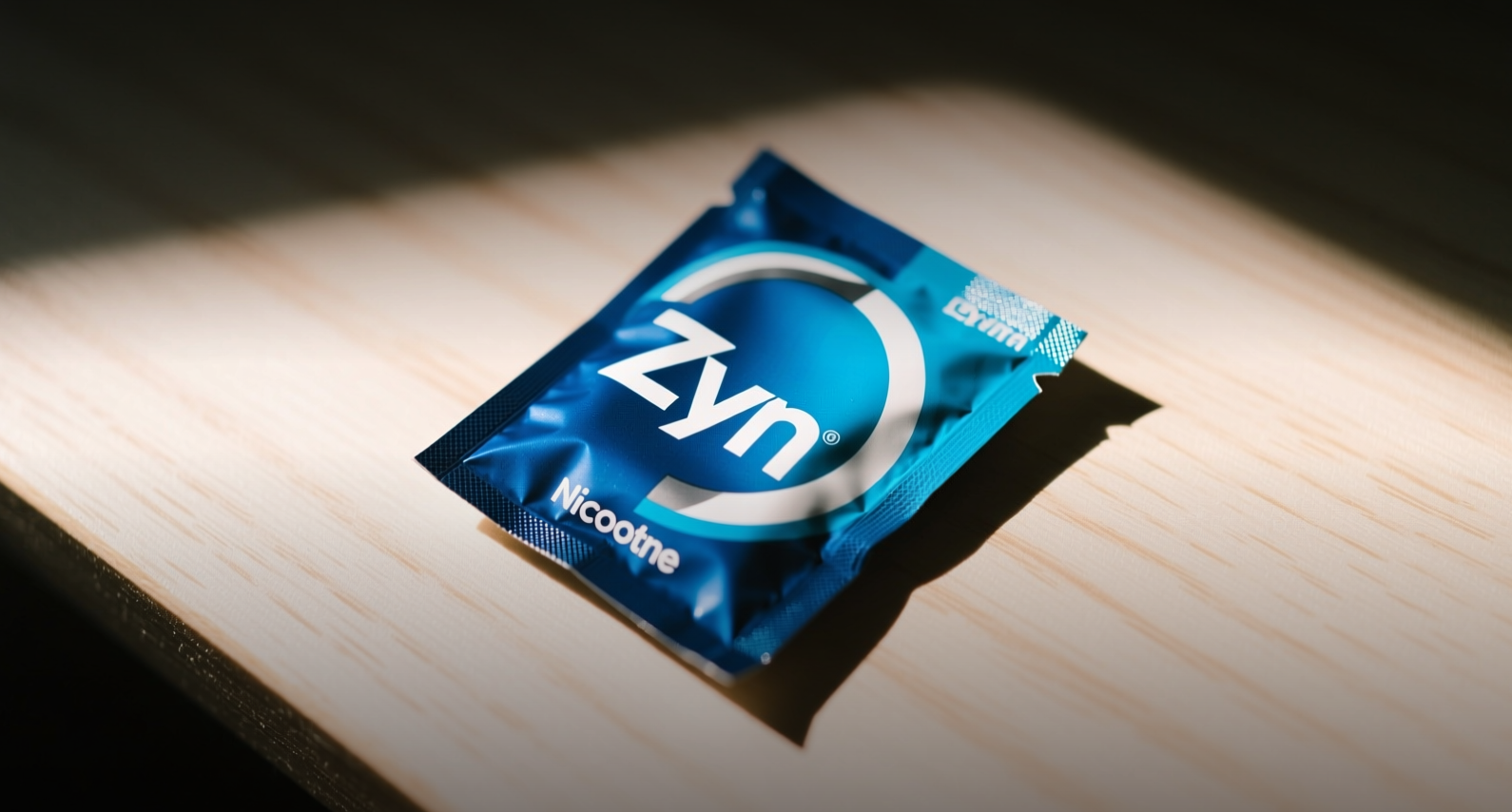
The FDA for the first time authorized nicotine pouches to be marketed as a lower-risk alternative to cigarettes, giving Philip Morris International a regulatory edge in the U.S. nicotine market.
The Food and Drug Administration on Tuesday granted modified risk orders to 20 Zyn nicotine pouch products, allowing Philip Morris International to claim they put users at lower risk of six smoking-related diseases including lung cancer and heart disease.
"Today's decision allows these products to be marketed with a modified risk claim that informs adults who smoke about the lower risks associated with these products," Bret Koplow, acting director of the FDA's Center for Tobacco Products, said.
The authorization covers 10 Zyn varieties in 3-milligram and 6-milligram strengths, including Chill, Cool Mint, Peppermint, Spearmint, Wintergreen, Cinnamon, Citrus, Coffee, Menthol and Smooth. Swedish Match USA Inc., the PMI subsidiary that manufactures Zyn, must conduct postmarket surveillance and studies assessing user behavior and understanding of the risk claims. The five-year authorization can be revoked if youth use increases significantly, the FDA said.
The decision marks the first time the FDA has granted modified risk tobacco product orders for nicotine pouches, a category that has grown rapidly as smokers shift away from combustible cigarettes. With more than 45 million legal-age nicotine consumers in the U.S., according to PMI, the authorization gives the company a powerful marketing tool against traditional cigarettes.
The FDA has authorized 26 nicotine pouch products to date, but none previously carried the reduced-risk designation. The agency's Tobacco Products Scientific Advisory Committee reviewed the application at a Jan. 22 meeting, and the FDA also considered public comments and other scientific evidence before issuing the orders.
"Today's news ensures these adults have access to accurate, science-based information, including FDA-authorized evidence that switching from cigarettes to Zyn reduces the risk of smoking-related diseases like heart disease and lung cancer," Stacey Kennedy, PMI U.S. chief executive officer, said.
The modified risk claim specifically states that using Zyn instead of cigarettes lowers the risk of mouth cancer, heart disease, lung cancer, stroke, emphysema and chronic bronchitis. The claim is based on evidence that nicotine pouches, placed between the gum and lip, deliver nicotine without combustion and eliminate the tar and carcinogens produced by burning tobacco.
The U.S. nicotine pouch market has expanded rapidly in recent years, with Zyn emerging as the dominant brand. The FDA's authorization could accelerate adoption among adult smokers seeking reduced-risk alternatives, though the agency has signaled it will monitor youth usage closely. Any significant increase in underage use could trigger revocation of the marketing orders.
Competitors in the nicotine pouch and smokeless tobacco categories may seek similar FDA designations, potentially reshaping how reduced-risk products are marketed and perceived by consumers.
This article is for informational purposes only and does not constitute investment advice.
