
Key Takeaways:
- FCC drafts ban on new Chinese optical transceivers used in data centers
- Move targets Zhongji Innolight's 27 percent global market share
- U.S. producers Coherent and Lumentum stand to gain as cloud firms shift suppliers
Key Takeaways:
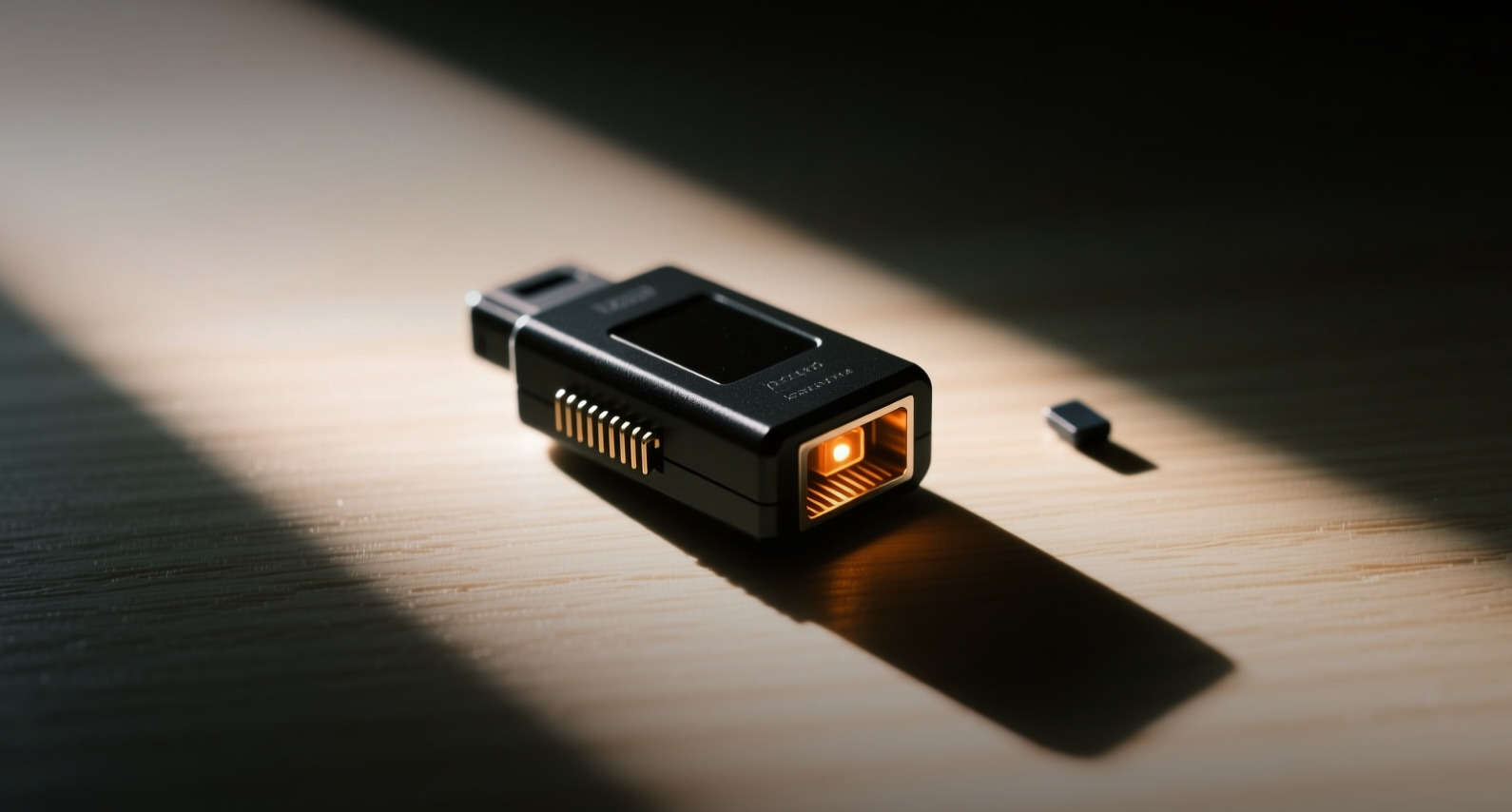
The FCC is drafting a ban on new Chinese optical transceivers, the components that carry data at the speed of light inside the data centers powering the AI boom.
The Federal Communications Commission is drafting a ban on U.S. imports of new Chinese optical transceivers, four people familiar with the matter said, a move that would hit Zhongji Innolight's 27 percent share of the global data center market.
"Transceivers definitely pose a risk," said Divyansh Kaushik, an AI policy expert at Washington advisory firm Beacon Global Strategies. "As the data center buildout scales up, you want to make sure the data center supply chain is secure from the get-go."
The measure, which officials hope to publish this year, would bar new models of the fiber-optic components that let data travel at the speed of light within data centers. Innolight, added to the Pentagon's list of alleged Chinese military-backed companies in June, generates 90 percent of its revenue outside China, according to a Foundation for American Innovation report. U.S.-based Coherent and Lumentum sell competitive technology but lack the scale to replace Chinese vendors, the report added.
A ban could raise costs for American cloud firms such as Amazon Web Services as they shift suppliers, while escalating the administration's campaign to keep Chinese technology out of critical infrastructure before it becomes embedded. The FCC could still modify or shelve the restriction, the sources stressed.
The move aims to prevent Chinese firms from stealing data, installing malware or disrupting service at U.S. data centers, which house the chips used to train and run AI models. China hawks in the administration are keen to avoid another Huawei situation, where telecom equipment made by the heavily sanctioned firm was so deeply embedded in U.S. infrastructure that removal efforts were slow, expensive and incomplete.
The Chinese embassy in Washington urged the United States to "heed the objective and rational voices of the business communities in both countries" and "stop smearing Chinese companies and threatening them with sanctions." Beijing "will take all necessary measures in response to any action that causes material harm to its interests," it added.
The FCC has imposed similar curbs on Chinese drones, routers, robots and inverters via its so-called Covered List, created by Congress to bar future equipment sales by foreign companies whose products pose national security risks. In line with those restrictions, the agency would ban all imports of new transceiver models and then exempt many non-Chinese suppliers from the restrictions, three of the sources said.
The agency has historically been independent, but in June the U.S. Supreme Court backed President Donald Trump's firing of a Democratic Federal Trade Commission member, expanding his powers over certain regulatory agencies. The Commerce Department, which has tools to police the tech supply chain, shelved a group of import restrictions on China — including one targeting data center equipment — following a trade war détente last October, Reuters reported in February.
Innolight, one of the biggest global sellers of transceivers, did not respond to requests for comment. AWS, Coherent and Lumentum also did not respond. A ban would likely benefit U.S. producers Coherent and Lumentum, which stand to gain market share as cloud providers seek alternative suppliers, though neither currently has the scale to fully replace Chinese vendors.
The last time Washington moved to restrict Chinese data center equipment, in the months before the October détente, the affected supply chain saw costs rise as buyers scrambled for alternatives. If the FCC publishes the ban this year as planned, cloud operators face a transition period in which they must qualify new suppliers while data center buildout accelerates to meet AI demand.
This article is for informational purposes only and does not constitute investment advice.
