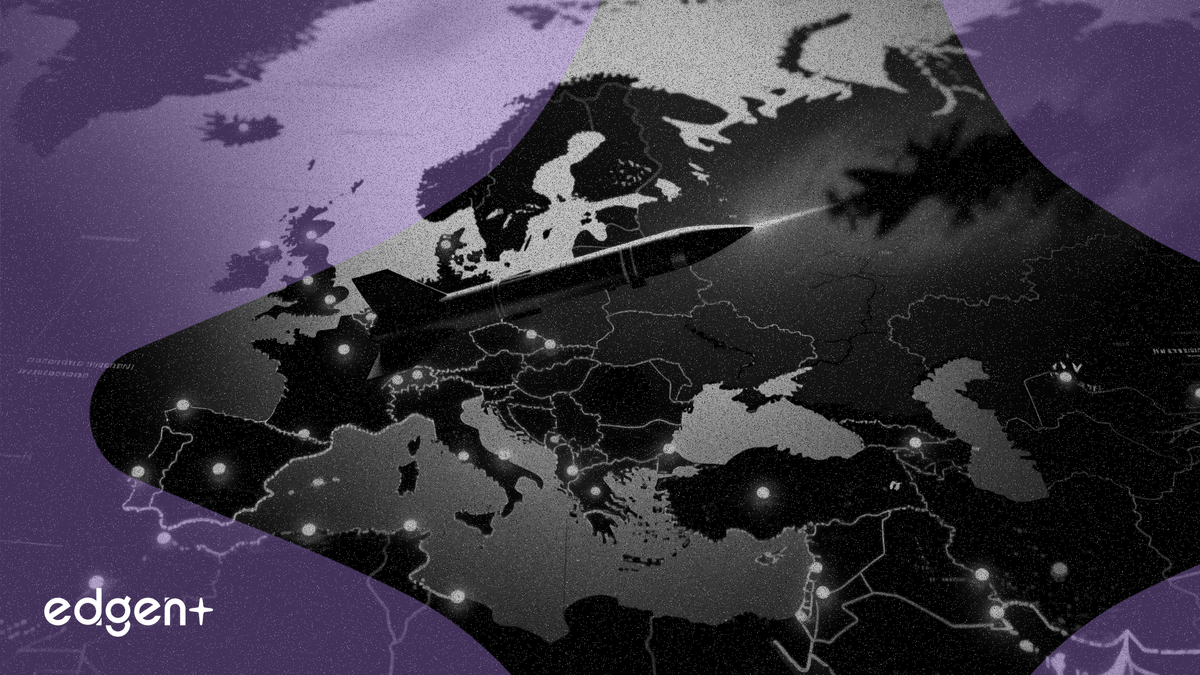
40 Căn cứ Châu Âu Hậu thuẫn Chiến dịch của Mỹ tại Iran
Bất chấp những tuyên bố công khai không tham gia từ một số nhà lãnh đạo châu Âu, một mạng lưới khoảng 40 căn cứ quân sự của Hoa Kỳ trên khắp châu Âu, với 80.000 nhân sự, đang cung cấp xương sống hậu cần quan trọng cho "Chiến dịch Cơn thịnh nộ sử thi" chống lại Iran. Căn cứ Không quân Ramstein ở Đức đã nổi lên như một trung tâm thần kinh, chỉ đạo các máy bay không người lái tấn công của Mỹ và điều phối các cuộc tấn công tầm xa. Tại Vương quốc Anh, các máy bay ném bom hạng nặng B-1 đã được trang bị vũ khí và phóng từ RAF Fairford cho các nhiệm vụ nhắm vào các mục tiêu của Iran.
Cơ sở hạ tầng rộng lớn này cho phép Hoa Kỳ triển khai sức mạnh quân sự hiệu quả hơn nhiều so với từ lục địa Hoa Kỳ. Các cơ sở quan trọng ở Ý, Bồ Đào Nha, Pháp và Hy Lạp cũng đang tạo điều kiện thuận lợi cho hoạt động này. Các máy bay tiếp nhiên liệu hoạt động từ các căn cứ ở Ý và Pháp cho phép các cuộc oanh tạc tầm xa, trong khi Vịnh Souda ở Crete cung cấp một cảng quan trọng cho các tài sản hải quân, bao gồm cả tàu USS Gerald R. Ford bị hư hại, tàu sân bay lớn nhất thế giới. Tướng Không quân Hoa Kỳ Alexus Grynkewich đã xác nhận tầm quan trọng của liên minh, tuyên bố hầu hết các đồng minh châu Âu “đã cực kỳ ủng hộ”.
Nút thắt dầu mỏ thúc đẩy xung đột khi giá Brent gần 110 USD
Chiến dịch quân sự tập trung vào việc mở lại Eo biển Hormuz, một nút thắt quan trọng đối với nguồn cung năng lượng toàn cầu đã bị Iran đóng cửa trong nhiều tháng. Cuộc xung đột đã đẩy giá dầu Brent lên gần 110 USD/thùng, với các nhà phân tích cảnh báo rằng một cuộc đối đầu kéo dài có thể đẩy giá lên trên 150 USD. Eo biển này xử lý gần 20% lượng dầu mỏ của thế giới, và việc đóng cửa đang tạo ra các cuộc khủng hoảng về khả năng chi trả nhiên liệu trên khắp châu Âu và châu Á.
Kế hoạch chiến lược của Hoa Kỳ cho "Chiến dịch Cơn thịnh nộ sử thi" được cho là bao gồm các lựa chọn để chiếm giữ hoặc phong tỏa Đảo Kharg của Iran, nhà ga chịu trách nhiệm cho khoảng 90% lượng dầu thô xuất khẩu của nước này. Một động thái như vậy sẽ là một sự leo thang đáng kể được thiết kế để làm tê liệt nguồn thu nhập chính của Iran và buộc phải đạt được một giải pháp. Tuy nhiên, các cựu chỉ huy quân sự cảnh báo rằng một hoạt động trên bộ sẽ phức tạp, đòi hỏi một lực lượng cấp tiểu đoàn từ 800 đến 1.000 quân chỉ để bảo vệ hòn đảo, nằm cách bờ biển Iran chỉ 15 dặm.
Rạn nứt chính trị bộc lộ sự phụ thuộc chiến lược
Sự phụ thuộc vào sự hỗ trợ của châu Âu đã bộc lộ cả sự chia rẽ chính trị và những lỗ hổng chiến lược. Tây Ban Nha đã phá vỡ với các đồng minh bằng cách từ chối Hoa Kỳ quyền sử dụng các căn cứ của mình để tấn công Iran, buộc một số máy bay phải chuyển đến Đức và Pháp. Tương tự, chính phủ Vương quốc Anh ban đầu đã cấm Hoa Kỳ tiếp cận trước khi cho phép các nhiệm vụ ném bom "phòng thủ". Các quan chức Đức cũng đã công khai loại trừ sự tham gia trực tiếp, ngay cả khi Căn cứ Không quân Ramstein đóng vai trò là trung tâm cho các hoạt động của Hoa Kỳ.
Sự sắp xếp phức tạp này làm nổi bật vai trò không thể thiếu của châu Âu trong chiến lược quân sự toàn cầu của Hoa Kỳ. Sự cần thiết phải sử dụng căn cứ Hy Lạp tại Vịnh Souda để sửa chữa tàu USS Gerald R. Ford nhấn mạnh những hạn chế thực tế của các nhóm tác chiến tàu sân bay của Hoa Kỳ và giá trị của các căn cứ cố định ở nước ngoài. Cuộc xung đột đang diễn ra cũng đang gây áp lực đáng kể lên kho dự trữ quân sự của Hoa Kỳ, đặc biệt là các tên lửa đánh chặn, làm dấy lên lo ngại về sự sẵn sàng đối phó với các tình huống bất ngờ toàn cầu khác.