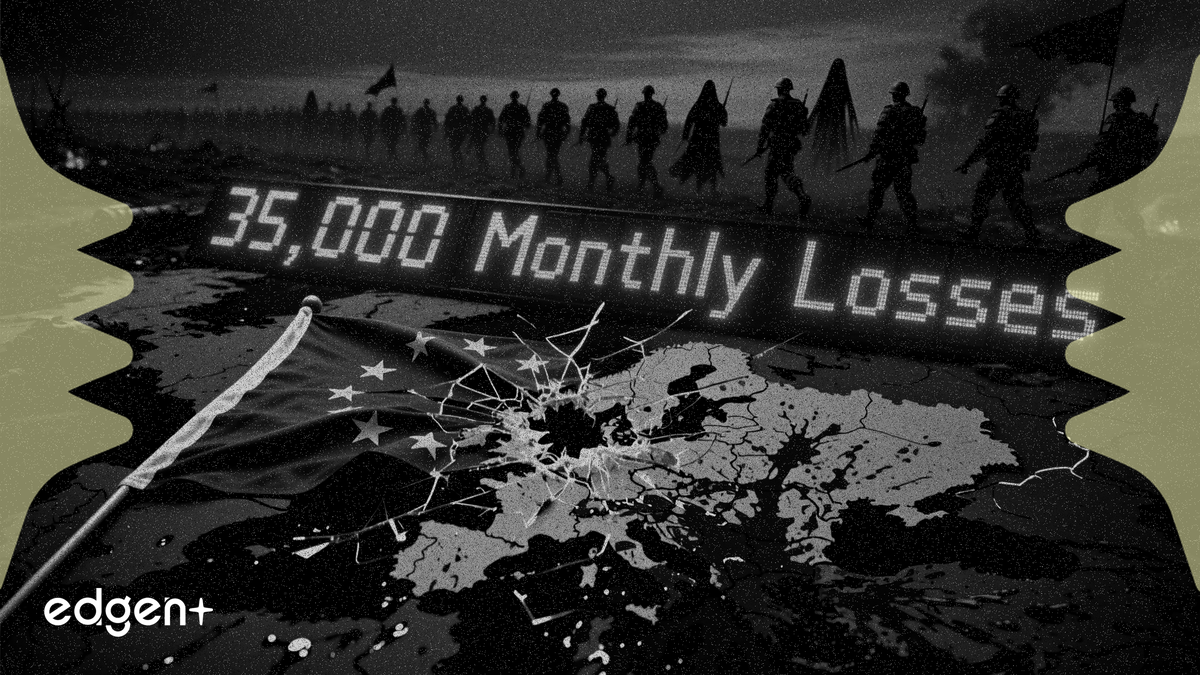
Rusya'nın Ukrayna'daki artan savaş alanı kayıpları — aylık 35.000 asker olarak tahmin ediliyor — Devlet Başkanı Vladimir Putin'i tehlikeli bir seçimle karşı karşıya bırakıyor: savaşı Ukrayna'nın ötesine genişletmek ya da evde sürdürülemez bir çıkmazla yüzleşmek.
Avrupa başkentleri, Ukrayna savaş alanında sıkışan Rusya'nın NATO üyelerine karşı söylemini ve hibrit operasyonlarını tırmandırmasıyla daha geniş bir çatışmaya hazırlanıyor. Son haftalarda Moskova, Letonya'daki "karar alma merkezlerini" bombalamakla tehdit etti, Belarus'tan Litvanya hava sahasına şüpheli insansız hava araçları gönderdi ve sekiz Avrupa ülkesindeki insansız hava aracıyla ilgili şirketlerin adreslerini yayınlayarak Kiev'e askeri yardımın devam etmesi halinde "öngörülemeyen sonuçlar" uyarısında bulundu.
"Avrupa'daki güvenlik ortamı son 24 ayda kötüleşti ve Rus tarafının hibrit operasyonlarında daha büyük operasyonel riskler alma, aynı zamanda kinetik unsurlara da yönelme eğiliminde olduğunu görüyoruz" dedi İsveç Savunma Bakanı Pål Jonson bir röportajda.
Batılı istihbarat servisleri, Rusya'nın ayda yaklaşık 35.000 asker kaybettiğini tahmin ediyor — bu, Kremlin'in asker toplayabileceğinden daha fazla. 2022'deki son seferberlik kampanyası 300.000 asker topladı ve çalışma çağındaki erkeklerin kitlesel göçünü tetikledi. Bir tekrarı, Rusya'nın kentsel orta sınıfını savaşın yükünden büyük ölçüde korumuş olan Putin için önemli bir siyasi risk taşıyacaktır.
"Bu savaş için seferberlik yaparsanız, bu savaşı gerçekten kazanmadığınız sinyalini verirsiniz" dedi Avrupa Birliği'nin dış ilişkiler ve güvenlik politikasından sorumlu üst düzey yetkilisi Kaja Kallas. "Yani seferberliği meşrulaştırmak için tırmanışa geçmeleri gereken bir nokta geliyor."
Tırmanış Hesaplaması
Putin daralan bir dizi seçenekle karşı karşıya. Rus ordusu, askerleri gönüllü olarak yerine koyabileceğinden daha hızlı tüketiyor. Moskova merkezli kaynaklara göre, öldürülen askerlerin yalnızca yüzde 70'i şu anda yeni askerlerle değiştirilebiliyor, bu da Kremlin'in asker toplama ağını siyasi açıdan hassas kentsel nüfusa genişletmesi gerekeceği anlamına geliyor.
Alternatif — yatay tırmanış — Baltık ülkelerini, Baltık Denizi'ndeki İsveç veya Danimarka adalarını veya Arktik'teki ittifak topraklarını hedef alarak NATO'nun uyumunu test etmek anlamına gelecektir. Birkaç Avrupalı ulusal güvenlik yetkilisi, bu senaryonun önümüzdeki 12 ay içinde gerçekleşebileceği konusunda uyardı; özellikle de Başkan Trump'ın NATO'dan çekilme ve ABD güçlerini Avrupa'da azaltma tehditlerinin caydırıcılığı baltalamasıyla birlikte.
"Rusya, Avrupa Birliği'ni açıkça baskı ve korkuyla ilgili olan yönetim sistemlerine bir tehdit olarak görüyor" dedi AB demokrasi, adalet ve hukukun üstünlüğü komiseri Michael McGrath. "Nihayetinde amaçları Avrupa Birliği'ni yok etmek."
Rusya'nın komşu bir devlete karşı büyük çaplı bir tırmanış gerçekleştirdiği son olay, Rusya'nın küresel finans piyasalarına erişimini kesen ve petrol ile gaz gelirini milyarlarca azaltan bir dizi Batı yaptırımını tetikleyen Şubat 2022'deki Ukrayna'nın tam kapsamlı işgaliydi. Sektör verilerine göre, bu yılın sadece Ocak ayından bu yana Rusya, uzun süreli tesis kesintileri ve aksayan Baltık Denizi nakliye merkezleri nedeniyle petrol gelirinde 7 milyar doların üzerinde kayıp yaşadı.
Ekonomik Boyut
Rusya'nın Avrupa'nın enerji altyapısına yönelik hibrit savaşı şimdiden yoğunlaşıyor. Baltık ve Kuzey Denizlerindeki deniz altı elektrik bağlantıları ve gaz boru hatları, Aralık 2024'te Finlandiya ve Estonya'yı birbirine bağlayan EstLink 2 kablosunu koparmakla bağlantılı Rusya bağlantılı gemilerle birlikte, sabotaja karşı oldukça savunmasız durumda. 23 Nisan'da kabul edilen AB'nin 20. Yaptırım Paketi, Rusya'nın gölge filosunu ve kripto tabanlı finansal boşlukları hedef alırken, LNG ithalatının Aralık 2026'ya, ham petrol ithalatının ise 2027 sonuna kadar sonlandırılması öngörülüyor.
Ekonomik baskı, Ukrayna'nın genişleyen vuruş kabiliyetiyle daha da artıyor. Macaristan Başbakanı Viktor Orbán'ın engelinin kaldırılmasının ardından 90 milyar euroluk AB yardım paketinin serbest bırakılmasıyla Ukrayna artık Rusya içinde 1.200 mile kadar hedefleri vurabiliyor ve Rus nüfusunun yüzde 70'inden fazlasını menzile alıyor. Rus petrol şirketleri geçen yıl kaydedilen 120 enerji tesisi saldırısında toplam 1 trilyon ruble (12,9 milyar dolar) zarara uğradı.
"Rusya, mevcut yörüngesinde savaşa devam etmeyi göze alamaz çünkü azalan kaynaklar tuzağıyla karşı karşıya kalacaktır" dedi Kiev'deki Savunma Reformları Merkezi başkanı ve eski Ukrayna savunma ve istihbarat yetkilisi Oleksandr V. Danylyuk. "Bu, Putin'in tırmanmak zorunda kalacağı anlamına geliyor."
Avrupa savunma hisseleri, artan tehdit algısıyla yükselirken, NATO üyeleri silahlanma programlarını hızlandırıyor. Fransa gelecek yıl cumhurbaşkanlığı seçimlerine gidecek ve Rusya'ya daha dost bir adayın kazanma şansı yüksek — bu, Ukrayna yardımı konusunda Avrupa konsensüsünü parçalayabilecek bir senaryo.
"Şüphelerime rağmen, Putin'in mantıksız ve tırmanıcı bir şekilde davrandığını da hesaba katmalıyız" dedi kıdemli Alman milletvekili Norbert Röttgen.
Bu makale yalnızca bilgilendirme amaçlıdır ve yatırım tavsiyesi niteliği taşımamaktadır.