
Europe and Ukraine will co-develop the Freya ballistic missile defense system, a $700,000-per-shot alternative to the Patriot that aims to reduce reliance on US-made interceptors.
Europe and Ukraine will co-develop the Freya ballistic missile defense system, a $700,000-per-shot alternative to the Patriot that aims to reduce reliance on US-made interceptors.
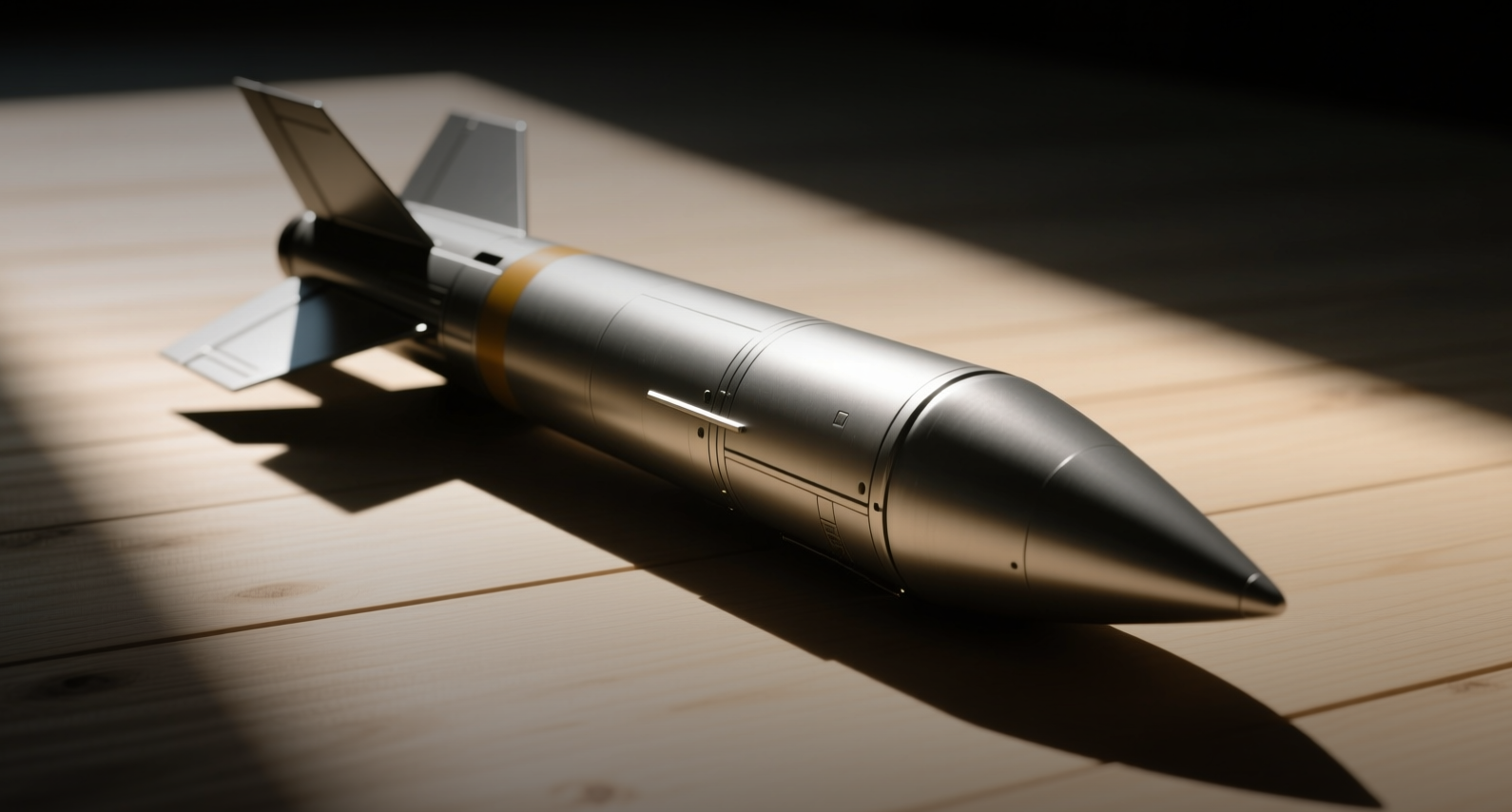
Europe will co-develop Ukraine's Freya ballistic missile defense system, a homegrown alternative to the Patriot that Kyiv says can cut per-interceptor costs to $700,000 and reduce reliance on US-made weapons.
"This is a European model — an analogue of Patriot but for more mass production and a cheaper system," Ukrainian President Volodymyr Zelenskyy said, announcing the first coalition meeting of roughly eight partner nations in France.
The system centers on Fire Point's FP-7.X interceptor, flight-tested in early June, designed to hit ballistic targets at about 15 miles altitude. Fire Point aims to mass-produce three interceptors daily starting in August and intercept its first ballistic missile by end-2027. The company has signed a memorandum with Germany's Hensoldt for radar technology and is in talks with France's Thales, Italy's Leonardo and Norway's Kongsberg for tracking and command-and-control systems.
The partnership comes as Russia's ballistic missile advantage deepens — Moscow produces 700 to 800 Iskander and Kinzhal missiles annually, while Ukraine intercepted only four of 54 Russian ballistic missiles fired this month. Long-range strikes caused 45% of Ukraine's civilian casualties in May, the worst monthly toll since April 2022, according to a UN report.
The Freya initiative runs parallel to a US pledge by President Donald Trump to grant Ukraine a license to build Patriot interceptors domestically, a right currently extended only to Japan. But experts say that process could take at least a year, with Lockheed Martin delivering just 620 PAC-3 interceptors last year against a Pentagon target of 2,000 annually by 2030. Each Patriot interceptor costs about $3.9 million and takes 24 months to build, with a single Boeing plant in Huntsville, Alabama, producing the seeker for every unit — 650 to 700 seekers last year.
Freya's cost advantage is stark. At $700,000 per shot, the Ukrainian system would cost roughly one-fifth of a Patriot PAC-3 interceptor. But the system requires an entire ecosystem — radars, launchers, command-and-control — that Ukraine cannot yet produce domestically. "We can do it ourselves, but years will pass," Zelenskyy said.
The European push also reflects growing concern over Russian intelligence operations targeting Western air defense technology. Italian investigators this week broke up an alleged Russian spy ring in Rome, with court documents showing a GRU officer demanding information on the European Samp-T system supplied to Ukraine and Leonardo's planned Michelangelo Dome air defense system, set for testing in Ukraine in November.
For European defense contractors, the Freya partnership signals a potential shift in procurement patterns. Rheinmetall, Thales, Leonardo and Saab — all potential suppliers of components or systems — stand to benefit as European nations seek to build indigenous defense capabilities. The NATO summit in Ankara last week saw allies pledge €70 billion ($80 billion) in military aid for Ukraine this year.
The last time Europe pursued a joint air defense project at this scale was the SAMP/T program, a Franco-Italian system that took more than a decade to field. Freya's compressed timeline — from flight test to operational capability within 18 months — would mark a significant acceleration if achieved. Zelenskyy said the current plan depends on partner nations, their manufacturers and their production capacity signing on. "God willing, the partners will support it, and God willing, our manufacturers will succeed with all of this," he said.
This article is for informational purposes only and does not constitute investment advice.
