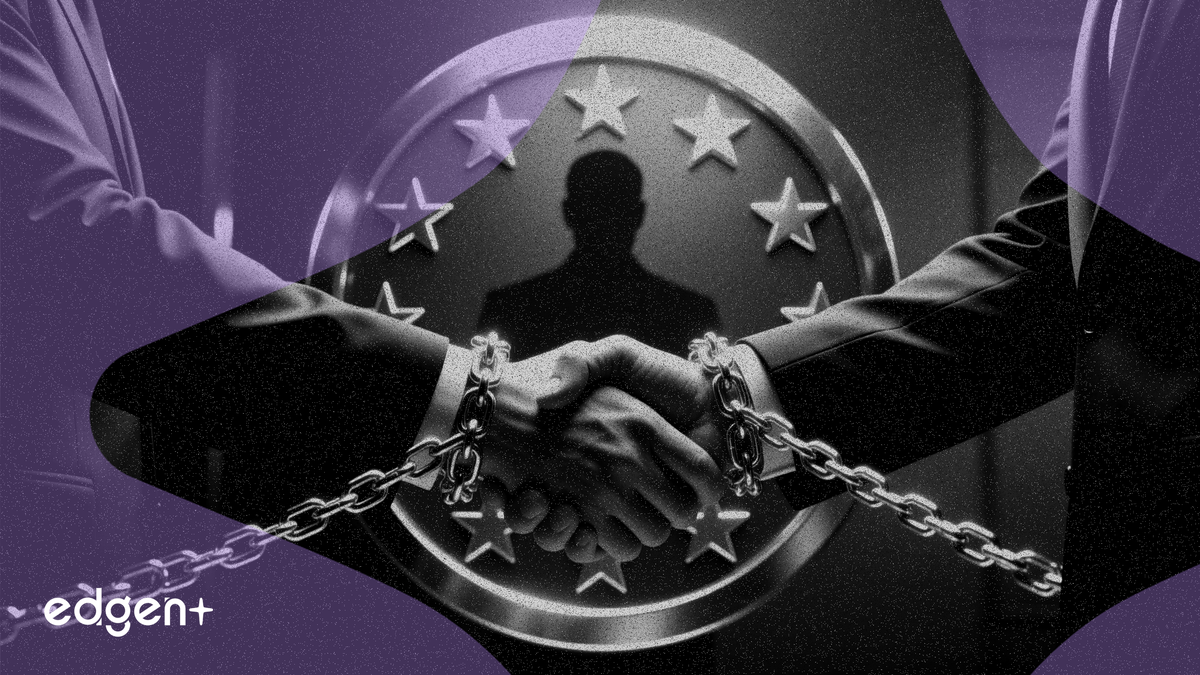
EU Tăng Cường Thỏa Thuận Thương Mại Với Điều Khoản Hết Hạn Tháng 3 Năm 2028
Nghị viện Châu Âu đang tiến hành bỏ phiếu quyết định về một thỏa thuận thương mại xuyên Đại Tây Dương vào ngày 26 tháng 3 năm 2026, nhưng chỉ sau khi cài đặt các biện pháp bảo vệ đáng kể để bảo vệ lợi ích của mình. Các nhà lập pháp đã thêm một số điều khoản quan trọng vào thỏa thuận ban đầu được ký kết vào năm 2025, đáng chú ý nhất là ngày hết hạn tự động đối với việc giảm thuế quan của EU vào tháng 3 năm 2028. Các điều khoản sửa đổi cũng liên kết bất kỳ việc cắt giảm thuế quan nào đối với hàng hóa thép và nhôm trực tiếp với các biện pháp giảm tương đương từ Hoa Kỳ, một biện pháp nhằm thực thi tính đối ứng.
Những thay đổi này phản ánh những lo ngại sâu sắc của Châu Âu về chính sách thương mại thất thường của chính quyền Trump, vốn đã khiến cuộc bỏ phiếu bị hoãn hai lần. Trong khi Ủy viên Kinh tế EU Valdis Dombrovskis lập luận rằng thỏa thuận này mang lại khả năng dự đoán cần thiết, các nhà lập pháp có ảnh hưởng vẫn tỏ ra hoài nghi. Nghị sĩ Pháp Pascal Canfin bày tỏ sự phản đối mạnh mẽ, nói rằng giá trị của thỏa thuận là sự ổn định, và nếu nó không còn cung cấp điều đó nữa, thì không có lý do gì để ủng hộ nó.
Hoa Kỳ Đe Dọa Thêm Thuế Quan Khi Mức 15% Đang Bị Treo
Hoa Kỳ đang gây áp lực buộc EU phải phê chuẩn thỏa thuận mà không có thay đổi, cảnh báo về những hậu quả kinh tế đáng kể. Andrew Puzder, Đại sứ Hoa Kỳ tại EU, tuyên bố rằng việc nghị viện phá bỏ thỏa thuận "sẽ là một sai lầm kinh tế" và đe dọa rằng Châu Âu sẽ bị đánh thuế cao hơn nếu thỏa thuận thất bại. Thỏa thuận ban đầu đã khóa mức thuế tối đa 15% đối với hầu hết các mặt hàng nhập khẩu của EU để đổi lấy việc miễn thuế đối với hàng công nghiệp của Hoa Kỳ, một điều khoản mà các nhà phê bình gọi là "tương đối một chiều".
Cuộc bỏ phiếu mang tính rủi ro cao này diễn ra khi EU đang tích cực đa dạng hóa các mối quan hệ thương mại của mình, gần đây đã hoàn tất một thỏa thuận thương mại tự do với Úc. Động thái này làm nổi bật một chiến lược rộng lớn hơn của Châu Âu nhằm giảm sự phụ thuộc vào Hoa Kỳ. Puzder đã tăng cường áp lực bằng cách gợi ý rằng EU cũng có nguy cơ mất quyền tiếp cận ưu đãi đối với khí tự nhiên hóa lỏng của Hoa Kỳ, liên kết tranh chấp thương mại trực tiếp với an ninh năng lượng của Châu Âu vào thời điểm căng thẳng địa chính trị gia tăng.