

핵심 요약
- Eos Energy는 2026년 2월 26일 주가가 39.4% 폭락한 후 증권 집단 소송에 직면했습니다.
- 소송은 회사가 자동화된 생산 능력과 수익 가이던스에 대해 투자자들을 오도했다고 주장합니다.
- 투자자들은 2026년 5월 5일까지 해당 사건의 대표 원고를 신청할 수 있습니다.
핵심 요약
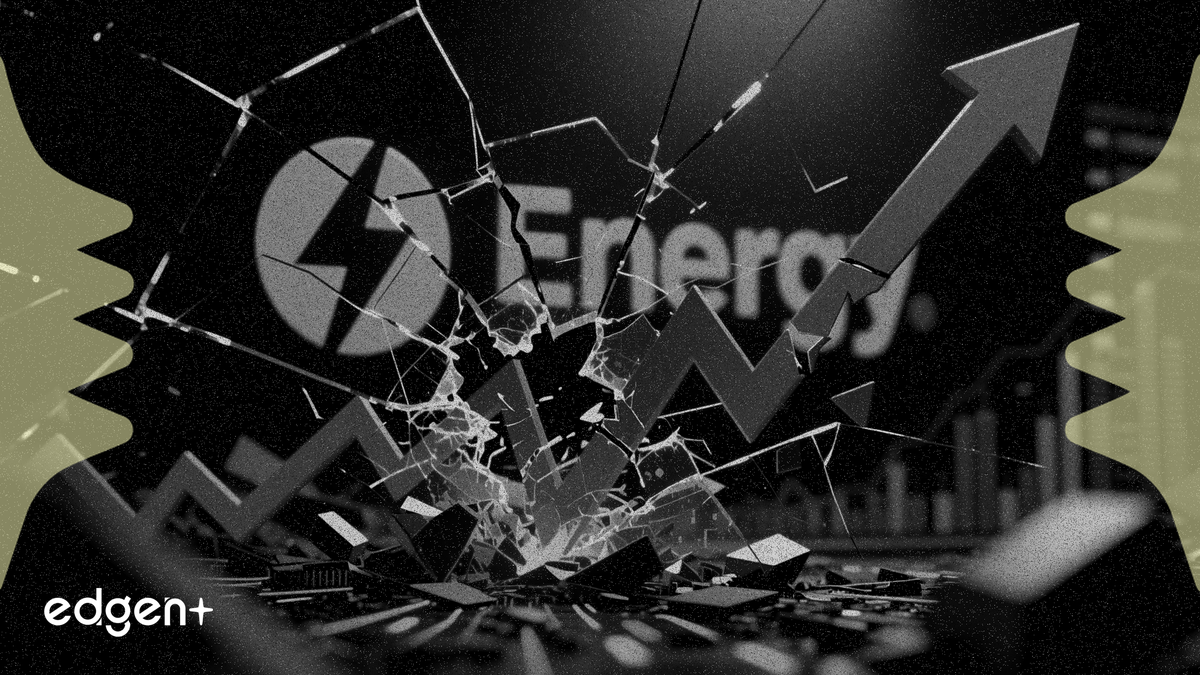
Eos Energy Enterprises, Inc. (NASDAQ: EOSE)는 2026년 2월 26일 수익 가이던스를 25% 이상 하회했다는 사실을 발표한 후 주가가 39.4% 폭락하면서 증권 집단 소송에 직면했습니다.
"우리는 Eos 경영진이 자동화 라인이 설계 의도를 충족하지 못하고 있다는 사실을 정확히 언제 인지했는지 구체적으로 조사하고 있습니다"라고 이번 사건 조사를 이끌고 있는 Hagens Berman의 파트너 리드 캐스레인(Reed Kathrein)은 말했습니다.
회사는 2025년 전체 매출이 1억 1,420만 달러에 불과하다고 보고했는데, 이는 당초 재확인했던 가이던스인 1억 5,000만~1억 6,000만 달러를 훨씬 밑도는 수준입니다. 2월 26일, 경영진은 업계 기준치의 3배가 넘는 30% 중반대의 장비 가동 중단 시간을 포함한 심각한 운영 실패를 인정했습니다.
단 하루 만의 주가 폭락으로 14억 달러 이상의 시가총액이 증발했으며, 주가는 11.13달러에서 6.74달러로 떨어졌습니다. 뉴저지 지방 법원에 제기된 소송은 회사가 공격적인 성장을 전망하면서도 이러한 제조상의 문제를 은폐했다고 주장합니다.
집단 소송의 핵심은 Eos Energy가 터틀 크릭(Turtle Creek) 시설에서 아연 기반 배터리 시스템의 생산을 확장할 수 있는 능력을 허위로 기재했다는 혐의입니다. 소장에 따르면 2025년 말 내내 경영진은 이미 품질 및 생산량 목표를 달성하지 못하고 있던 완전 자동화 생산 라인으로의 전환을 거듭 홍보했습니다.
2026년 2월 26일 컨퍼런스 콜에서 회사의 최고 운영 책임자(COO)는 자동화된 양극판 생산이 품질 목표를 달성하지 못해 비용이 많이 드는 재작업이 발생했으며, 단일 공급업체 문제로 일주일간의 생산 손실을 입었다고 밝혔습니다. 이러한 실패로 인해 회사는 2GWh 연간 생산량 이정표 달성을 예정보다 5주 늦게 실현했습니다.
Hagens Berman, Bleichmar Fonti & Auld, Levi & Korsinsky를 포함한 여러 법무법인은 2025년 11월 5일에서 2026년 2월 26일 사이에 주식을 매수한 투자자들에게 2026년 5월 5일 마감일 이전에 대표 원고 자격을 신청할 것을 권고하는 통지문을 발행했습니다.
이러한 혐의는 경영진의 투명성과 내부 통제에 대한 심각한 의문을 제기하며 향후 가이던스에 대한 의구심을 낳고 있습니다. 투자자들은 대표 원고에 대한 법원의 결정과 Yung v. Eos Energy Enterprises, Inc., et al. 사건의 후속 서류 제출을 면밀히 지켜볼 것입니다.
본 기사는 정보 제공만을 목적으로 하며 투자 조언을 구성하지 않습니다.
