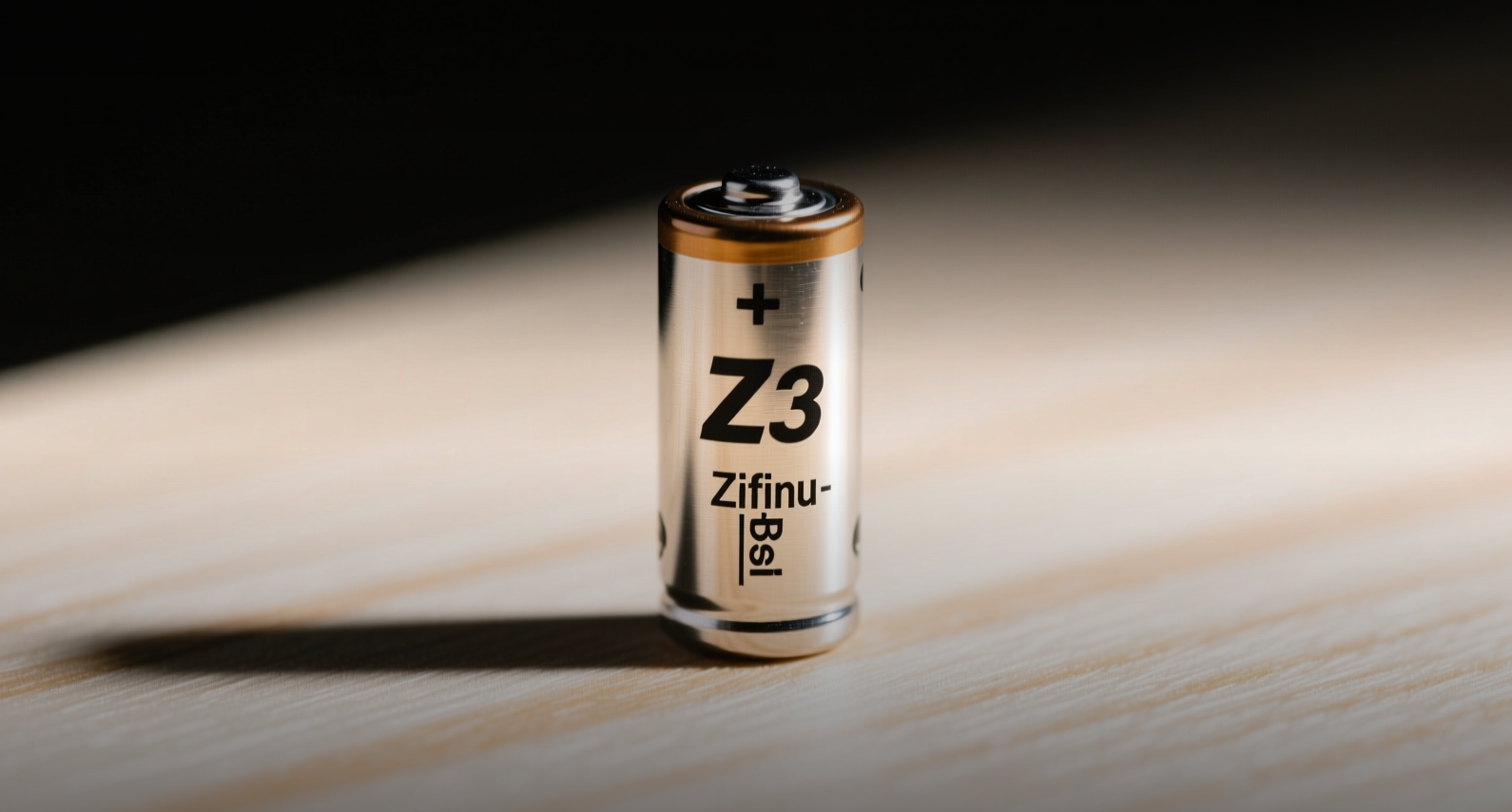
Eos Energy Enterprises delivered a record quarter and a defense contract in the same week, signaling that American-made zinc batteries are moving from niche technology to a national security asset.
Eos Energy Enterprises (EOSE) reported preliminary second-quarter 2026 revenue of $68 million to $69 million, the highest quarterly total in company history and more than triple the prior-year period. First-half 2026 revenue already exceeded all of 2025, the company said. Backlog reached $807 million at June 30, up about 25% from the prior quarter, as new orders outpaced shipments.
"This award validates the strategy we've built around American technology innovation, manufacturing and supply chains," Joe Mastrangelo, Eos chief executive officer, said of the Golden Dome contract. "Today, we're proving that America can still manufacture advanced technology at scale and deliver for our nation's most critical missions."
The company collected about $78 million from customers during the quarter, exceeding reported revenue. Cash and restricted cash totaled roughly $364 million at quarter-end. Gross margin loss came in between 69% and 73%, reflecting the costs of ramping two commercial production lines across two manufacturing facilities. Battery Line 2 began commercial production in mid-June and has already shown higher yields and faster cycle time than Battery Line 1 in its early ramp. Eos completed site acceptance testing for 50% of its bipolar automation line, with full commissioning expected in July.
The Golden Dome contract with the Department of War positions Eos's Z3 zinc-based long-duration energy storage technology as a mission-critical asset for national defense. President Donald Trump highlighted the award during Senator Dave McCormick's Defense and National Security Summit in Carlisle, Pennsylvania. The initial deployment will serve as a prototype at a critical installation, with the program structured to scale as defense needs evolve. Eos's system uses a non-flammable aqueous zinc chemistry with about 91% domestic content and is compliant with Section 842 NDAA and FEOC requirements — a compliance foundation the company spent the past year building.
The Frontier Pipeline and the Path to Scale
The Frontier Power USA partnership provides the clearest window into Eos's commercial trajectory. Frontier's 1.8 GWh of closed and selected projects now accounts for roughly 90% of its 2 GWh capacity reservation with Eos, directly linking the company's manufacturing ramp to a specific utility-scale project pipeline. Successful project conversion and financing — including Eos's own rights offering — sit at the center of both the catalyst path and the funding risk.
Eos is targeting a 4 GWh annual run-rate capacity by year-end, with an eventual goal of 8 GWh of annual production capacity in Allegheny County, Pennsylvania. The Thorn Hill facility serves as the cornerstone of this expansion, adding automated manufacturing capacity for the Z3 platform and supporting the company's commitment to create 1,000 jobs across the region.
What This Means for Investors
Eos shares surged nearly 10% on the news before settling to a 4.6% gain, trading at $4.405. The stock still trades well below the $9.62 fair value implied by the company's narrative projections of $1.2 billion revenue and $151.2 million earnings by 2029. More optimistic analysts have modeled $1.8 billion revenue and $468.6 million earnings by that year, though persistent losses and ongoing capital needs remain the primary risk. The Golden Dome contract and record backlog strengthen the bull case, but the company must convert commercial momentum into positive margins before the investment thesis fully shifts from speculation to execution.
This article is for informational purposes only and does not constitute investment advice.