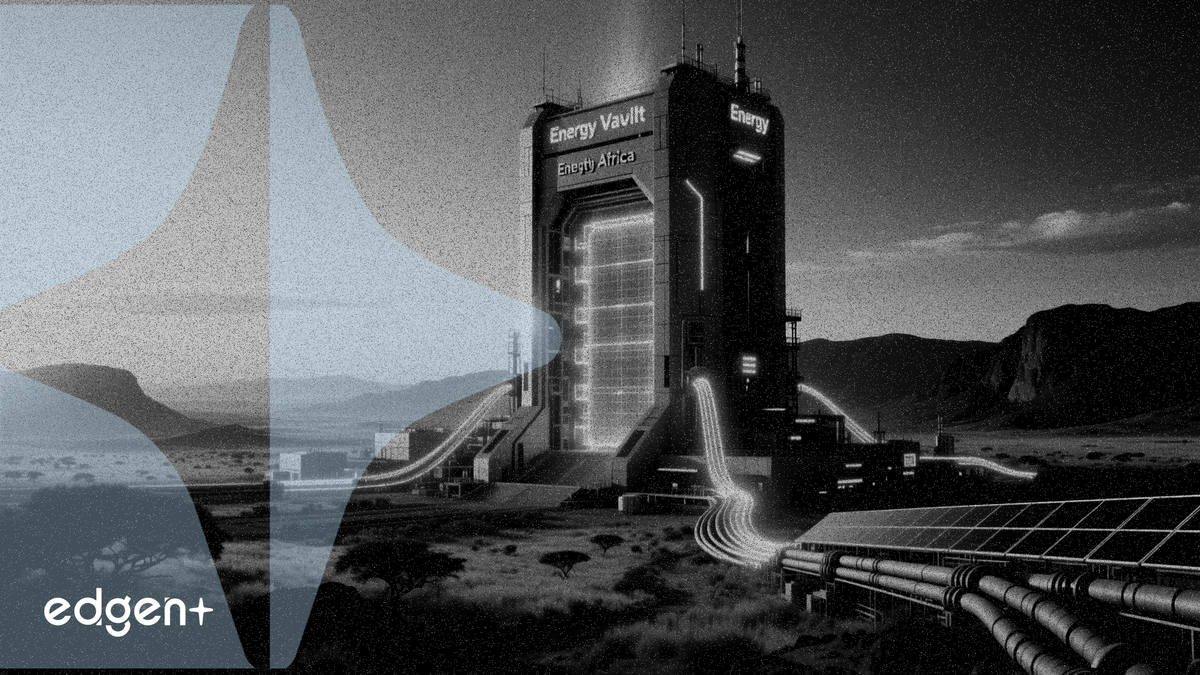
Energy Vault Holdings Inc. (NYSE: NRGV) desplegará su novedosa tecnología de almacenamiento de energía basada en la gravedad en Sudáfrica a través de una nueva alianza estratégica con la empresa estatal Eskom, un acuerdo histórico que podría escalar hasta los 4 GWh de almacenamiento para 2035 y ayudar a la nación a transicionar fuera de su fuerte dependencia del carbón.
"Esta asociación con Energy Vault y su innovadora tecnología de almacenamiento por gravedad desempeñará un papel fundamental en la consecución de nuestros objetivos de Transición Energética Justa", declaró Dan Marokane, Director Ejecutivo del Grupo Eskom Holdings. La colaboración apoya la iniciativa de Asociación para una Transición Energética Justa (JETP) de Eskom, centrada en lograr una transición sostenible y equitativa desde el carbón, garantizando al mismo tiempo la fiabilidad de la red.
El primer despliegue consistirá en un sistema de 25 megavatios con 100 megavatios-hora de capacidad en la central eléctrica Hendrina de Eskom, en Mpumalanga. Energy Vault proporcionará su tecnología EVx 2.0™ GESS, que utiliza una grúa para apilar y descender bloques de 25 a 30 toneladas fabricados con cenizas de carbón reutilizadas, almacenando y liberando energía a la red. El acuerdo incluye licencias y codesarrollo de hasta 4 GWh de almacenamiento en toda la región de la Comunidad de Desarrollo de África Austral (SADC), compuesta por 16 miembros.
La operación constituye una prueba a escala industrial significativa para la tecnología de Energy Vault y un paso crucial en los esfuerzos de descarbonización de Sudáfrica. El país generó más del 80 por ciento de su electricidad a partir del carbón en 2024. Para Energy Vault, la alianza ofrece un flujo de ingresos potencial a largo plazo y un caso de estudio de alto perfil mientras compite con tecnologías de baterías consolidadas de firmas como Eve Energy y Gotion High-Tech.
Una apuesta por la gravedad frente a las baterías
El almacenamiento por gravedad de Energy Vault presenta un enfoque diferente para el mercado del almacenamiento a escala de red, actualmente dominado por los sistemas de baterías de iones de litio. Aunque los costes de las baterías han bajado, se enfrentan a retos relacionados con las limitaciones de la cadena de suministro, la duración limitada y la degradación con el tiempo. El almacenamiento por gravedad, por el contrario, promete una vida útil más larga con una pérdida mínima de rendimiento.
La capacidad del sistema EVx 2.0 para utilizar materiales de desecho como las cenizas de carbón para sus bloques es una ventaja económica y ambiental clave, especialmente para una empresa de servicios públicos como Eskom, que está desmantelando centrales eléctricas de carbón. Esto se alinea con el objetivo de la JETP de encontrar usos productivos para los antiguos activos de combustibles fósiles y sus flujos de residuos.
Qué significa para los inversores
El mercado reaccionó positivamente al anuncio, con las acciones de Energy Vault (NRGV) subiendo más de un 11% hasta los 5,04 dólares. El valor ha ofrecido un notable rendimiento del 371% en el último año, con unos ingresos que se dispararon un 362% hasta los 217 millones de dólares en los últimos doce meses.
Sin embargo, la empresa aún no es rentable, habiendo reportado un BPA anual de -0,71 dólares. También incumplió recientemente las expectativas del primer trimestre de 2026, con unos ingresos de 21,9 millones de dólares que se situaron casi un 40% por debajo de los 36,3 millones previstos. Pese al incumplimiento, Energy Vault reafirmó su previsión de ingresos anuales de entre 225 y 300 millones de dólares, señalando confianza en su cartera de proyectos. Este acuerdo con Eskom es crítico para alcanzar ese objetivo y podría allanar el camino para nuevos despliegues a gran escala necesarios para justificar su capitalización bursátil de 877 millones de dólares.
Este artículo tiene únicamente fines informativos y no constituye asesoramiento de inversión.