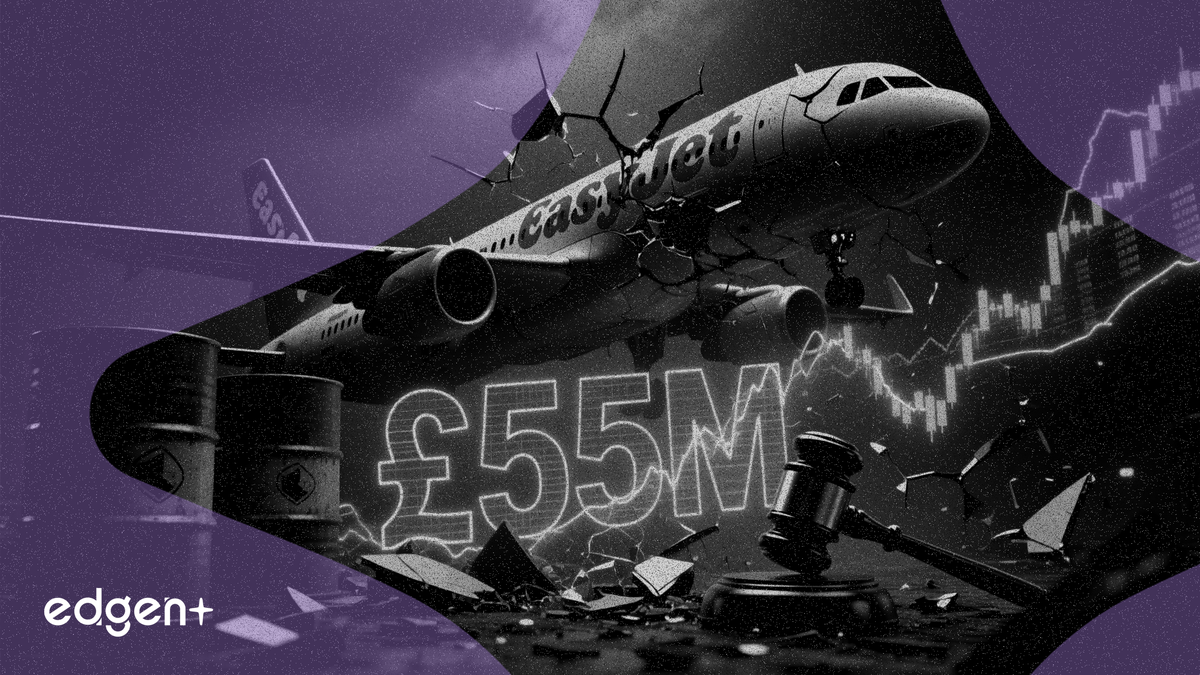
(P1) Hãng hàng không giá rẻ EasyJet hôm 16 tháng 4 cho biết họ dự kiến sẽ báo lỗ trong nửa đầu năm sau khi phải gánh thêm 55 triệu bảng Anh chi phí nhiên liệu và pháp lý.
(P2) Toàn ngành đang cảm nhận được áp lực từ giá dầu biến động. Giám đốc điều hành Delta Air Lines, Ed Bastian, cho biết sau khi công ty của ông gần đây ghi nhận chi phí nhiên liệu tăng 14%: "Mặc dù nhiên liệu cao hơn là một tác động hiện tại đối với thu nhập, tôi tự tin rằng môi trường này cuối cùng sẽ củng cố sự dẫn đầu của Delta và đẩy nhanh khả năng thu nhập dài hạn của chúng tôi."
(P3) Cảnh báo lợi nhuận của EasyJet bao gồm khoảng 25 triệu bảng chi phí nhiên liệu bổ sung chỉ tính riêng trong tháng 3 và một khoản dự phòng 30 triệu bảng khác để trang trải chi phí pháp lý gia tăng từ một số vụ việc lịch sử. Hãng hàng không không tiết lộ số liệu doanh thu hoặc thu nhập trên mỗi cổ phiếu cụ thể cho giai đoạn nửa năm.
(P4) Thông báo này được dự báo sẽ gây áp lực lên cổ phiếu EasyJet và làm tăng thêm triển vọng tiêu cực cho các hãng hàng không châu Âu. Ngành này đang phải vật lộn với những cơn gió ngược kép là chi phí tăng và khả năng gián đoạn hoạt động từ Hệ thống Nhập xuất cảnh Schengen (EES) mới dự kiến được triển khai vào ngày 10 tháng 4.
Các hãng hàng không chuẩn bị cho những cơn gió ngược về chi phí
Cảnh báo từ EasyJet phản ánh xu hướng rộng lớn hơn về chi phí leo thang và sự không chắc chắn về địa chính trị tác động đến ngành hàng không toàn cầu. Xung đột gần đây ở Trung Đông đã đẩy giá dầu thô vượt mốc 100 USD/thùng, trực tiếp làm tăng chi phí hoạt động của các hãng vận chuyển.
Delta Air Lines, hãng vận chuyển lớn đầu tiên của Hoa Kỳ báo cáo kết quả quý I, đã công bố khoản lỗ ròng 289 triệu USD, với lý do chi phí nhiên liệu tăng mạnh. Để đối phó, hãng hàng không có kế hoạch giảm tăng trưởng công suất, tập trung vào các chuyến bay ngoài giờ cao điểm ít lợi nhuận hơn.
Sự gián đoạn cũng đã định tuyến lại các mô hình du lịch. Sân bay Heathrow của London báo cáo rằng lưu lượng hành khách trên các chuyến bay Trung Đông đã giảm hơn một nửa trong tháng 3. Tuy nhiên, điều này đã được bù đắp bởi nhu cầu tăng 31% đối với các tuyến châu Á-Thái Bình Dương, cho phép tổng số hành khách của trung tâm này tăng gần 7% so với năm trước.
Những thách thức đối với các hãng hàng không châu Âu còn phức tạp hơn bởi việc thực hiện đầy đủ Hệ thống Nhập xuất cảnh Schengen sắp tới. Các cơ quan trong ngành đã cảnh báo rằng việc triển khai có thể dẫn đến tình trạng xếp hàng dài và chậm trễ hoạt động, thêm một lớp phức tạp cho các hãng vận chuyển vốn đang phải đối mặt với thị trường nhiên liệu biến động.
Hướng dẫn từ EasyJet báo hiệu rằng sự phục hồi của ngành hàng không vẫn còn mong manh. Các nhà đầu tư sẽ theo dõi chặt chẽ các báo cáo thu nhập quý I sắp tới từ các hãng hàng không châu Âu khác để đánh giá tác động đầy đủ của những áp lực đang gia tăng này.
Bài viết này chỉ mang tính chất thông tin và không cấu thành lời khuyên đầu tư.