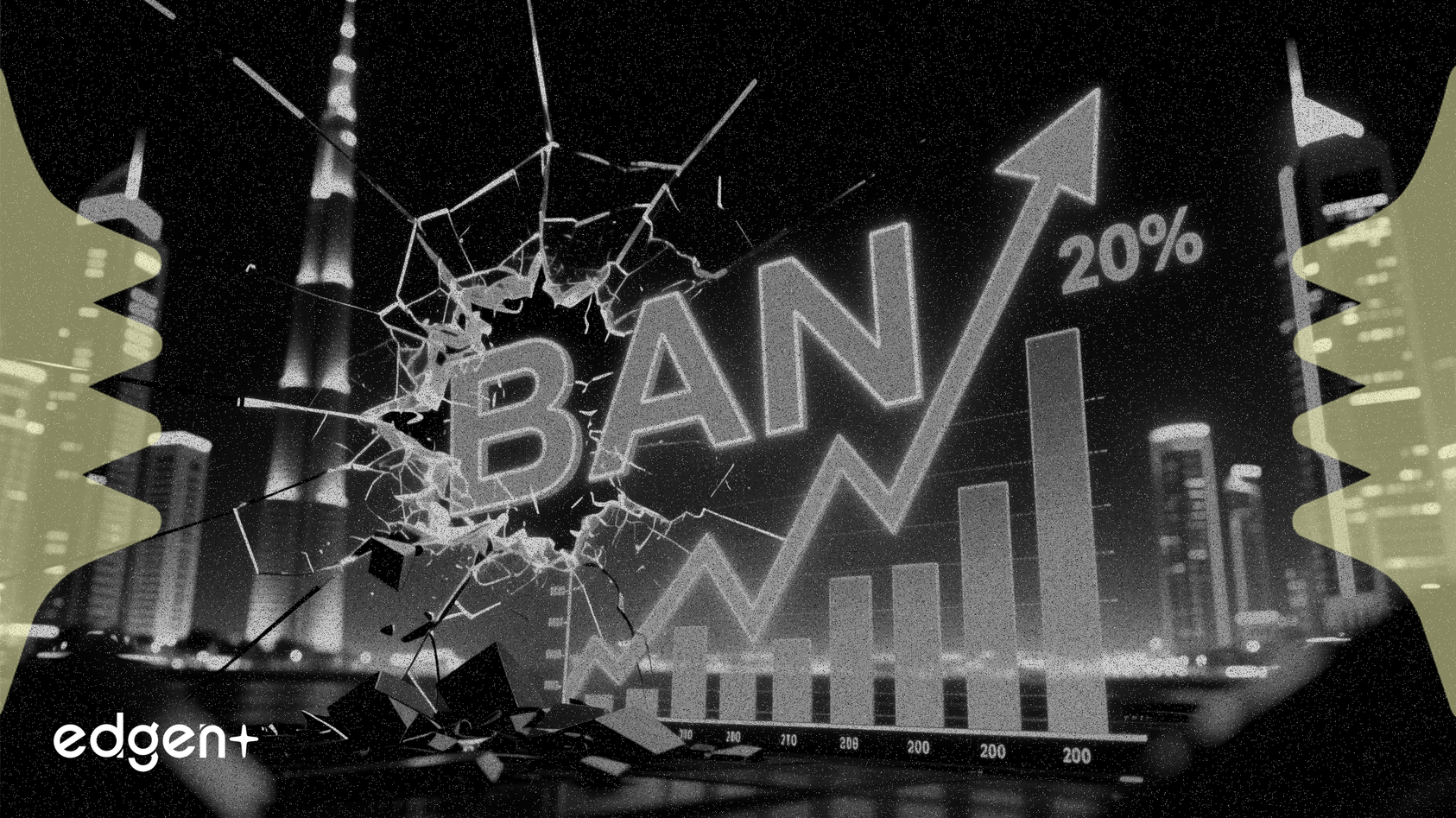
Dubai Regulator Bans Privacy Coins to Enforce AML Rules
In a move to tighten financial oversight, the Dubai Financial Services Authority (DFSA) has prohibited anonymity-focused cryptocurrencies within its jurisdiction, effective January 2026. The rule specifically targets tokens like Monero (XMR) and Zcash (ZEC), barring licensed firms in the Dubai International Financial Centre (DIFC) from trading, marketing, or including them in investment products. While the regulation does not criminalize personal ownership of these assets in self-custody wallets, it effectively severs their connection to the regulated financial system.
The DFSA's policy is driven by the inherent conflict between privacy coin features and global Anti-Money Laundering (AML) standards set by bodies like the Financial Action Task Force (FATF). Technologies such as ring signatures and stealth addresses, which obscure transaction details, make it impossible for financial intermediaries to conduct the required transaction monitoring and reporting. This restriction signals that for digital assets to gain access to institutional capital within Dubai, they must offer full transparency.
Monero Price Climbs 20% as Traders Defy Regulatory Action
Despite the restrictive regulatory development, the market for privacy coins responded with unexpected strength. On January 12, 2026, the price of Monero (XMR) climbed approximately 20% to a peak of about $595, leading a broader advance in privacy-centric assets. Zcash (ZEC) also recorded double-digit gains during the same period, outperforming the wider crypto market.
This price action highlights a fundamental division within the digital asset economy. As regulated on-ramps and institutional venues delist privacy tokens to ensure compliance, a dedicated user base is driving demand through decentralized and peer-to-peer channels. The rally suggests that traders are pricing in a premium for financial anonymity, even as these assets are pushed further away from mainstream financial infrastructure.
Ban Aligns With Global Push for Crypto Transparency
Dubai's decision is not an isolated event but part of a coordinated global regulatory trend. In the European Union, the upcoming Anti-Money Laundering Regulation is set to effectively prohibit privacy coins on regulated exchanges by July 1, 2027. Similarly, regulatory actions in the United States, such as the 2025 prosecution related to the privacy tool Tornado Cash, have signaled a low tolerance for technologies that obscure financial flows.
This global alignment is forcing a structural separation in the crypto market. Token projects and exchanges must now make a strategic choice: prioritize transparency to attract institutional investment and operate within regulated frameworks, or focus on privacy-enhancing features and cater to a user base outside the traditional financial system. For investors, this bifurcation creates distinct asset classes with fundamentally different risk profiles and access points.