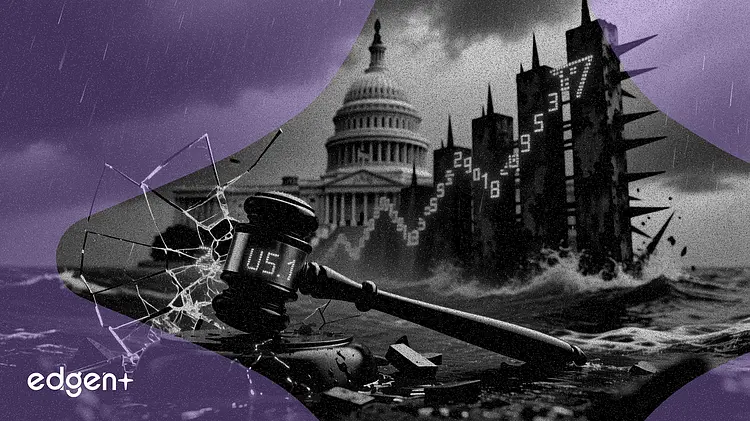
La administración Trump está impugnando una orden judicial que obligaría al gobierno a recalcular los reembolsos de cientos de miles de millones de dólares en aranceles que la Corte Suprema ya declaró ilegales.
El Departamento de Justicia apeló el viernes una orden del Tribunal de Comercio Internacional que exigía a las autoridades aduaneras recalcular los reembolsos de impuestos a la importación sobre cientos de miles de millones de dólares en aranceles, inyectando incertidumbre legal en un proceso de devolución que la Corte Suprema ya había puesto en marcha.
"El gobierno impugna la autoridad del tribunal para ordenar un recálculo generalizado en lugar de determinaciones caso por caso", declaró el DOJ en su aviso de apelación, según el escrito judicial.
La apelación se dirige contra un fallo del Tribunal de Comercio Internacional que ordenó a la Oficina de Aduanas y Protección Fronteriza recalcular todos los aranceles recaudados bajo la Ley de Poderes de Emergencia de la década de 1970 —aranceles que la Corte Suprema anuló por considerarlos ilegales. Bitcoin cotizó casi sin cambios, con un alza del 0,1 %, mientras los mercados asimilaban la noticia.
En juego está la devolución ordenada de decenas de miles de millones de dólares a los importadores que pagaron aranceles bajo un marco de política comercial que el máximo tribunal del país invalidó. Una prolongada batalla legal podría retrasar los reembolsos durante meses o años, creando nueva incertidumbre para las cadenas de suministro globales que ya navegan por barreras comerciales elevadas.
El Desafío Legal
La apelación, presentada el viernes, impugna el alcance de la orden del tribunal inferior, que exigía un recálculo integral en lugar de solicitudes de reembolso individuales. La medida del DOJ podría obligar a los importadores a navegar por un proceso de doble vía —presentar reclamaciones individuales mientras el mandato más amplio permanece estancado en litigios. Abogados especializados en comercio señalaron que la incertidumbre podría llevar a algunas empresas a reducir el valor esperado de sus reclamaciones de reembolso en las próximas presentaciones trimestrales.
Precedente Histórico
El fallo de la Corte Suprema marcó la primera vez que anulaba el uso de poderes comerciales de emergencia por parte de un presidente, una decisión que trastocó un régimen arancelario que afectaba a más de $300 mil millones en importaciones anuales. La última vez que un desafío legal similar llegó a esta etapa, durante la década de 1970, la resolución tomó más de dos años y dejó a los importadores recuperando menos del 60 % de los aranceles impugnados, según analistas de derecho comercial. El caso actual involucra un volumen de dinero mucho mayor, lo que aumenta las apuestas tanto para los importadores como para el gobierno.
Lo Que Viene Después
La apelación se dirige ahora al Tribunal de Apelaciones del Circuito Federal de EE. UU., con una decisión esperada en los próximos meses. Si el gobierno prevalece, los importadores deberían presentar reclamaciones de reembolso individuales —un proceso que, según abogados comerciales, podría llevar años dado el volumen de envíos afectados. Si se confirma la orden del tribunal inferior, Aduanas estaría obligada a procesar los reembolsos en un plazo que aún no está definido.
El panorama comercial más amplio sigue en estado de cambio. El arancel estadounidense promedio actual sobre los bienes chinos se sitúa en aproximadamente el 19,3 % tras múltiples rondas de escalada desde 2018, según el Peterson Institute for International Economics. El comercio bilateral entre EE. UU. y China ha caído aproximadamente un 15 % desde su pico de 2018, con cadenas de suministro desplazándose hacia Vietnam, México e India.
Para los mercados financieros, la prolongada incertidumbre legal podría pesar sobre los sectores más expuestos a la volatilidad arancelaria, incluidos los industriales, los bienes de consumo y las empresas de tecnología hardware con cadenas de suministro transfronterizas significativas. El sector industrial del S&P 500 ha ganado un 4,2 % en lo que va del año, por detrás del avance del 7,8 % del índice general, ya que la incertidumbre en la política comercial ha mantenido a algunos inversores al margen.
El caso pone de relieve las consecuencias legales perdurables de las políticas comerciales de la era Trump, que reconfiguraron el comercio global y dejaron un enredo de desafíos judiciales que continúan reverberando a través del sistema legal estadounidense.
Este artículo es solo para fines informativos y no constituye asesoramiento de inversión.