



El cofundador de Bankless, David Hoffman, vendió toda su posición en Ethereum, argumentando que la arquitectura de la red prioriza las aplicaciones y las stablecoins por encima de los tenedores de ETH.
El cofundador de Bankless, David Hoffman, vendió toda su posición en Ethereum, argumentando que la arquitectura de la red prioriza las aplicaciones y las stablecoins por encima de los tenedores de ETH.
David Hoffman, cofundador de Bankless, vendió toda su posición en Ethereum la semana pasada y rotó hacia Zcash y NEAR Protocol, afirmando que ETH no tiene un camino claro para ser revalorizado al alza.
"La tesis de 'ETH es dinero' no fracasó. Se cumplió", escribió Hoffman en un ensayo publicado de forma cruzada en Bankless y X. "Ethereum obtuvo el precio de ETH que merece, y no veo que ETH sea revalorizado como activo, ni al alza ni a la baja".
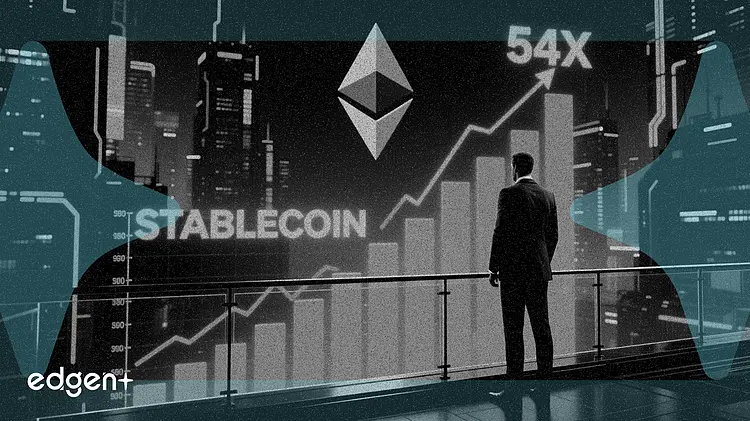
El argumento central de Hoffman es estructural. Ethereum alberga 163 mil millones de dólares en stablecoins, frente a los 3 mil millones de dólares en 2020 — un incremento de 54 veces — y la abrumadora mayoría está denominada en dólares, no en ETH. Las redes de capa 2 capturan márgenes del 97% gracias al modelo de rollup, dijo, mientras que los tenedores de ETH absorben el costo de asegurar la red. "Ethereum es un Dador, no un Tomador", escribió. "Suministra a las L2 el blockspace más seguro del mundo, a costo".
La capitulación de uno de los defensores más prominentes de Ethereum ha cristalizado un debate que la comunidad ha rondado durante años: si una red puede ganar como infraestructura mientras su token nativo no logra capturar valor. ETH cotizaba a 1.964,63 dólares al lunes, con una caída del 1,97% en 24 horas, con todo el conjunto de medias móviles en posición bajista por encima — la SMA de 20 días en 2.135 dólares está por debajo de la SMA de 50 días en 2.247 dólares, que a su vez está por debajo de la SMA de 200 días en 2.504 dólares.
La Réplica
Joseph Chalom, director ejecutivo de SharpLink — la empresa con la mayor tesorería de Ethereum y exejecutivo de activos digitales de BlackRock — cuestionó el planteamiento de Hoffman. "No hay Ethereum sin ETH", escribió Chalom en X. "El activo y la red son inseparables". SharpLink ha apostado miles de millones en ETH y recientemente lanzó un fondo de rendimiento DeFi de 125 millones de dólares junto a Galaxy Digital. "En casi todos los ciclos del mercado, los momentos en que el inversor minorista capitula y el sentimiento es más bajo son cuando el capital disciplinado aprovecha la oportunidad", afirmó.
El cofundador de Ethereum, Vitalik Buterin, dijo que casi el 90% de su patrimonio neto permanece en ETH. El exinvestigador de la Fundación Ethereum, Dankrad Feist, argumentó que el problema estructural está en otro lado: la EF controla menos del 0,1% de todo el ETH, no recibe ingresos por staking ni comisiones, y no tiene ningún interés económico directo en el rendimiento de mercado de Ethereum.
¿Señal de Suelo o Cambio Estructural?
Tom Dunleavy, director de capital de riesgo en Varys Capital, calificó el cambio de tono de Hoffman como una "clásica señal de suelo" — el tipo de capitulación que tiende a aparecer cuando uno de los creyentes más fervientes de un activo finalmente sale. "Si Ethereum fracasa, el cripto fracasa, punto", dijo Dunleavy en el podcast Wolf Of All Streets, señalando el dominio de Ethereum en la actividad DeFi, la emisión de stablecoins y el valor total bloqueado.
Aun así, advirtió que Ethereum enfrenta una fase de "navegar o morir" a medida que se intensifica la competencia de redes más nuevas. Los fondos de cobertura y los compradores institucionales se han agolpado en solo un puñado de historias, más notablemente Hyperliquid y Zcash, mientras que el precio de Ethereum lucha por mantenerse por encima de los 2.000 dólares. La red llega a junio ya con una caída del 11,2% en mayo, y los datos históricos muestran que ETH ha cerrado junio en rojo en siete de los últimos diez años, con un descenso promedio del 6,27%.
El soporte clave se sitúa entre 1.920 y 1.940 dólares, y un cierre diario por debajo de ese nivel abriría un movimiento hacia los mínimos de febrero, según datos técnicos.
Este artículo es solo con fines informativos y no constituye asesoría de inversión.
