

Copa Airlines is betting its balance sheet can absorb the Iran war's fuel shock as it sticks with a decade-old policy of forgoing hedges, its CEO said.
Copa Airlines is betting its balance sheet can absorb the Iran war's fuel shock as it sticks with a decade-old policy of forgoing hedges, its CEO said.
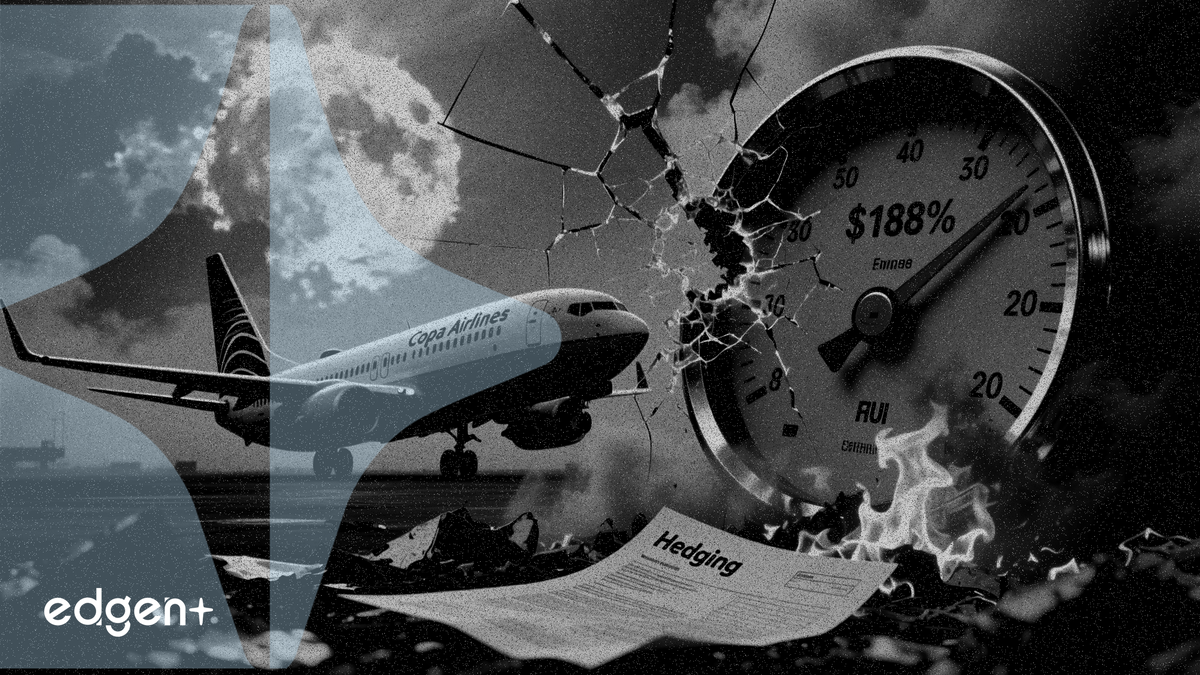
The Iran war's disruption of global energy markets has pushed jet fuel prices 96% higher since November, yet Copa Airlines is sticking with a decade-old strategy of forgoing fuel hedges, CEO Pedro Heilbron said.
"We have not hedged fuel for more than a decade and do not intend to change course," Heilbron said in an interview on the sidelines of the International Air Transport Association's annual meeting in Rio de Janeiro. "Our strong balance sheet and pricing adjustments will help absorb the impact."
The average price of jet fuel surged to $188 a barrel in April from $96 in November, before settling at about $156, according to IATA data. The Strait of Hormuz, which handles about 21% of global oil trade, has been effectively closed since late April following the escalation of hostilities between Iran and US-led coalition forces. Global airlines slashed their 2026 profit forecast at the Rio summit, with IATA now projecting industry net profit of $18.5 billion, down from a pre-crisis estimate of $36.6 billion. The fuel shock was cited as the primary headwind, with jet fuel's share of airline operating costs rising to as much as 60% from a typical 40%.
For Copa, which operates a hub in Panama City connecting North and South America, the no-hedge strategy exposes the carrier to the full force of spot price volatility. Rivals with hedging programs may be comparatively insulated, potentially creating a competitive divergence in margin performance across the sector. Copa's shares trade on the New York Stock Exchange under the ticker CPA.N, and the carrier has maintained investment-grade credit ratings that Heilbron said provide a buffer against the shock.
Fuel Shock Tests Airline Business Models
The Panamanian carrier's approach stands in contrast to the broader industry response. IATA, which represents about 340 airlines, said the jet fuel situation is "unprecedented" in terms of cost impact. Hemant Mistry, IATA's director of energy transition, warned that if prices remain elevated, "there will have to be more demand destruction" through flight reductions. Several carriers, including Air India and IndiGo, have already curtailed networks and reduced flight frequencies in response to soaring fuel costs.
The Rio summit, which gathers top airline executives annually, has this year been dominated by the fuel crisis. Italy's ITA Airways said it is weighing a lawsuit against Pratt & Whitney over engine faults that grounded almost 20% of its fleet, adding to operational pressures. United Air's CEO criticized engine supplier Rolls-Royce for lack of support, highlighting the breadth of cost pressures facing the industry beyond fuel.
India, one of the fastest-growing aviation markets, has taken a different approach to managing the crisis. The government approved a 100 billion rupee ($1.2 billion) ATF price stabilization fund, fixing a benchmark price of about 115 rupees per liter for domestic operations to shield carriers from volatility. IATA called the fund "a very good solution" to the problem, though Jainam Shah, an aviation analyst at Equirus Securities, said the scheme is more likely to moderate fare spikes than reduce ticket prices. Participating airlines must buy jet fuel exclusively from state-owned oil marketing companies for up to three years.
Historical Precedent and Forward Outlook
The last time oil markets faced a comparable supply disruption was during the 1990 Gulf War, when crude prices doubled in three months and global airline profits fell by about 40% the following year, according to IATA historical data. The current crisis has already triggered four consecutive OPEC+ quota increases since the Hormuz closure, the most recent decided June 7, as the producer group attempts to compensate for lost supply from Iran and the broader region.
For Copa, the bet is that demand will hold up and pricing power will allow it to pass through higher costs to passengers. "Demand and fares may support second-half cash flow despite the fuel shock," Alaska Air said in a separate statement at the Rio summit, echoing a sentiment shared by several carriers. Copa has also been expanding its fleet, signing a $13.5 billion deal in April to buy up to 60 Boeing 737 Max aircraft over the next eight years, a bet on long-term demand despite the near-term fuel headwind. The airline ordered the jets from Boeing and GE Aerospace, with deliveries scheduled over the next eight years.
This article is for informational purposes only and does not constitute investment advice.
