
A brutal price war and local government over-investment have claimed a high-profile victim, signaling a painful consolidation phase for China's crowded electric vehicle market.
A brutal price war and local government over-investment have claimed a high-profile victim, signaling a painful consolidation phase for China's crowded electric vehicle market.
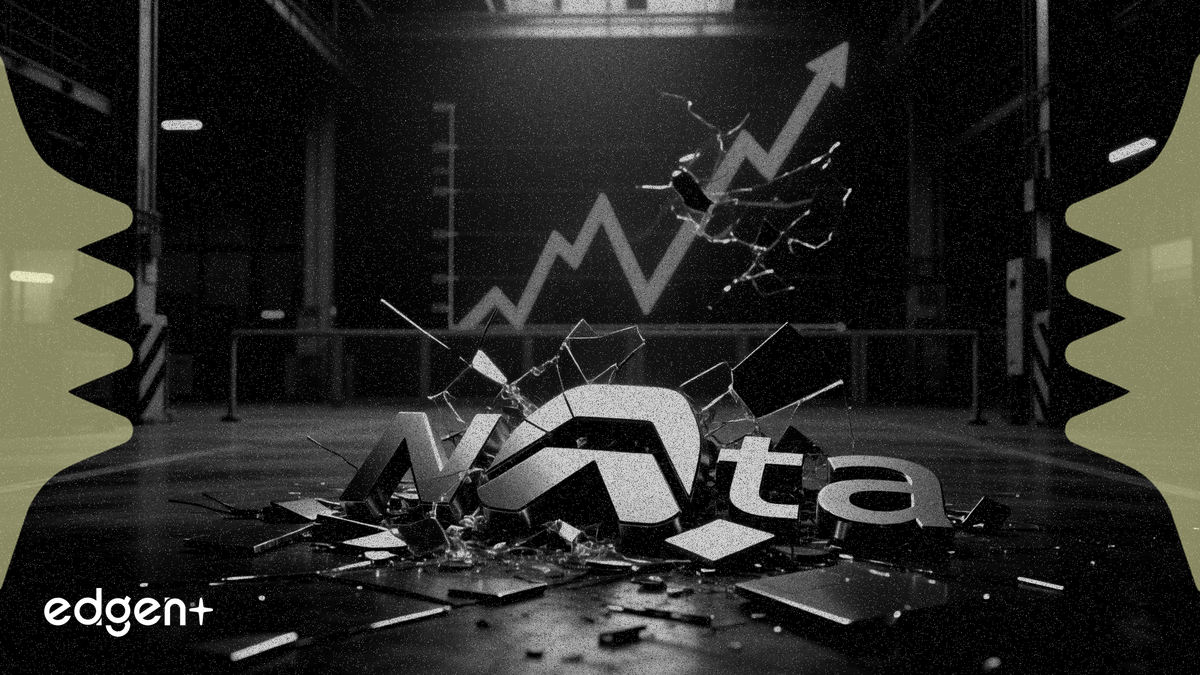
The collapse of a once-promising Chinese electric vehicle maker is sending shockwaves through the world's largest auto market, after Hozon New Energy Automobile recorded a staggering ¥18.3 billion ($2.5 billion) loss over three years. The company, which builds cars under the Neta brand, had a bankruptcy reorganization application filed by creditors in the second half of 2025, a stark casualty of the sector's brutal price wars and unchecked production capacity.
"The crisis highlights a systemic issue of "involution-style race-to-the-bottom competition," fueled by misguided local government subsidies, according to a top state planner. "Some local governments have distorted industrial development funds into tools for attracting investment, providing implicit subsidies through so-called 'drawer agreements'," Hu Zhaohui, Deputy Director-General of the Department of Structural Reform at the National Development and Reform Commission, said in a recent state television report.
From 2021 to 2023, Hozon Auto bled cash, losing more than ¥80,000 on average for each vehicle it sold. The financial strain forced the company to suspend production at three manufacturing bases starting in 2024, culminating in the creditor-led bankruptcy filing. The situation was brought to national attention by a CCTV "Focus Report" program titled "Investment Promotion, or Investment 'Injury'?".
The fallout immediately hit publicly traded rivals, signaling investor fears of wider contagion. Shares of Geely Auto slumped 5.1% and BYD Company slid 4.3% in Hong Kong trading following the news, while EV startups XPeng and Leapmotor tumbled 6.3% and 6.0%, respectively. Neta's failure serves as a critical warning that the era of debt-fueled growth is ending, putting intense pressure on the balance sheets of dozens of smaller EV players.
The CCTV report painted a grim picture of the aftermath of reckless investment, showcasing an empty automobile plant in Yichun that was supposed to anchor a new automotive industry cluster. Instead, its workshops and production lines now sit covered in dust.
The report detailed how local governments, desperate to attract high-tech manufacturing, offer unsustainable incentives hidden in "drawer agreements." This practice, the NDRC's Hu Zhaohui explained, exacerbates market fragmentation and "industrial homogenization," where numerous companies produce similar products for a market that cannot support them all. This leads to the "involution" that authorities are now trying to stamp out—a cycle of inefficient and excessive internal competition that destroys profitability for everyone.
This is not a problem unique to the EV sector. China's government is simultaneously grappling with a similar crisis in its solar power industry, where manufacturing capacity vastly exceeds global demand. Chinese firms produce over 80 percent of the world's solar components, but fierce domestic price-cutting has eroded profits, according to the Ministry of Industry and Information Technology (MIIT).
As in the auto sector, Beijing is now pushing for tighter control over production capacity, stricter price regulation, and the encouragement of mergers and acquisitions to restore order. The coordinated push from multiple government agencies in the solar sector provides a likely playbook for how leaders will address the EV market's structural problems, forcing consolidation and weeding out financially unviable companies like Neta. For investors, the message is clear: in China's new industrial landscape, profitability now matters more than production volume.
This article is for informational purposes only and does not constitute investment advice.