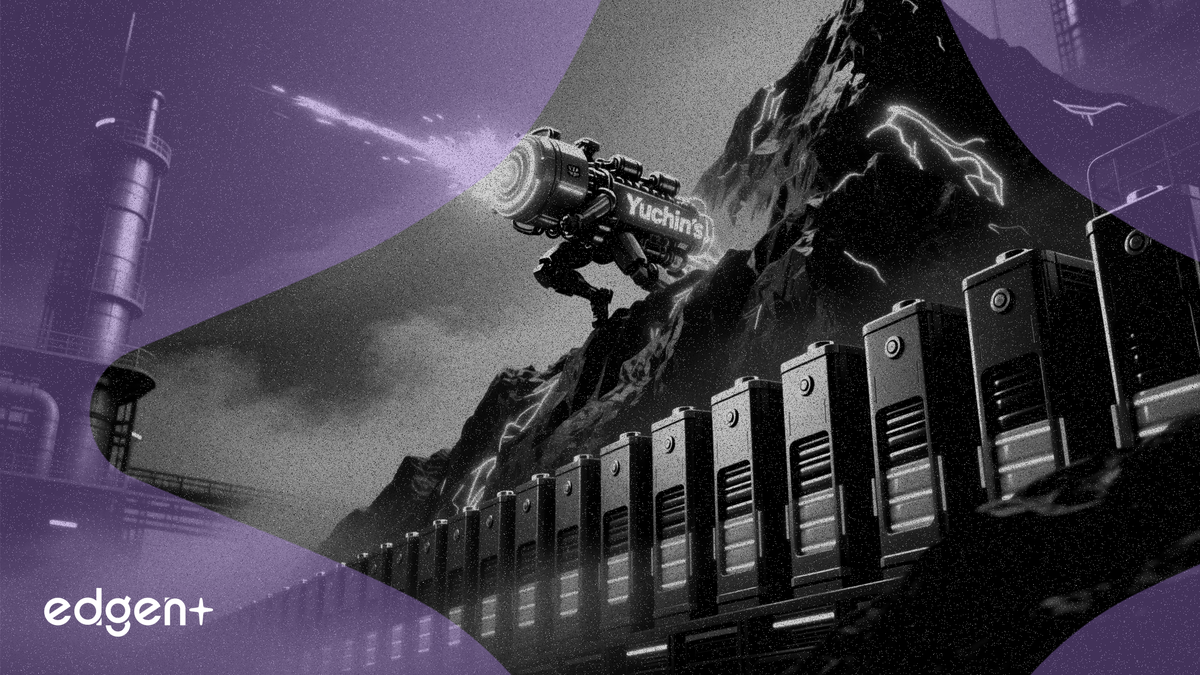
China Yuchai International introduit un nouveau type de moteur fonctionnant à l'ammoniac, défiant la domination de la technologie électrique à batterie sur le marché des camions lourds à zéro émission.
China Yuchai International (NYSE : CYD) a lancé son premier moteur à combustion interne alimenté au pur ammoniac pour les camions lourds, une technologie zéro carbone visant une efficacité comparable à celle du diesel, qui s'oppose au pivot du secteur vers les motorisations électriques à batterie.
« Cette percée élargit considérablement notre base technologique et les solutions énergétiques de nouvelle génération que nous proposons », a déclaré Weng Ming Hoh, président de China Yuchai International. « Yuchai renforcera davantage ses capacités de R&D innovantes dans les applications de l'énergie ammoniacale. »
Le nouveau moteur utilise un système d'injection directe haute pression qui génère de l'hydrogène à partir de l'ammoniac à bord et enflamme le carburant via un jet de pré-chambre. Bien que Yuchai affirme que l'efficacité thermique est comparable aux meilleurs moteurs diesel, l'entreprise n'a pas encore divulgué de mesures de performance spécifiques, d'estimations de coût au kilomètre ou de calendrier de production commerciale. L'annonce a fait grimper les actions CYD de 5,15 %.
Le moteur à ammoniac de Yuchai entre sur un marché où les projets de carburants alternatifs font face à une route difficile. S'il offre une voie potentielle pour décarboner le transport routier longue distance sans les inconvénients de poids et de temps de charge des batteries, il se heurte aux mêmes obstacles d'infrastructure et de coût du carburant qui ont freiné le transport par pile à combustible à hydrogène, un secteur affichant un taux d'échec de près de 40 % parmi les entreprises récentes.
### Le précédent de l'hydrogène : Un avertissement
La voie empruntée par Yuchai avec l'ammoniac est jonchée des débris de sociétés de transport à l'hydrogène défaillantes. Une analyse de 174 entreprises de mobilité hydrogène montre que 68 ont déjà échoué ou abandonné leur orientation hydrogène. Parmi les survivants, seuls trois opèrent dans une niche commerciale étroite — les chariots élévateurs d'entrepôt — laquelle est elle-même érodée par la supériorité de la technologie des batteries lithium-ion.
Le défi central du transport à l'hydrogène est un problème insoluble de l'œuf et de la poule : les flottes n'achèteront pas de camions coûteux sans un réseau de ravitaillement fiable et abordable, et personne ne construira ce réseau sans clients garantis. Cet « échec de financement de l'écosystème », illustré par la récente faillite de la société britannique Hydrogen Vehicle Systems (HVS), souligne les capitaux immenses nécessaires pour construire à la fois un véhicule et sa chaîne d'approvisionnement en carburant à partir de zéro.
### L'avantage de l'antériorité des batteries électriques
En revanche, les camions électriques à batterie, bien que confrontés à leurs propres défis de recharge au dépôt, se branchent sur le vaste réseau électrique existant. Leurs composants de base bénéficient de décennies de réduction de coûts et d'amélioration des performances grâce à la base industrielle mondiale des batteries, qui dessert tout, de l'électronique grand public au stockage à l'échelle des services publics.
Cet avantage est particulièrement visible en Chine, le marché national de Yuchai. En 2025, 20 % de toutes les ventes de camions lourds étaient électriques, et près de 100 % des nouvelles commandes de bus sont désormais électriques à batterie. Le moteur à ammoniac de Yuchai doit rivaliser non seulement sur ses mérites techniques, mais aussi contre la puissance de l'antériorité et de l'échelle de l'électrification.
Pour les investisseurs, l'initiative de Yuchai représente un pari à haut risque et à haut rendement sur un avenir non électrique pour le transport routier. Le gain de 5,15 % du titre reflète un optimisme initial, mais l'entreprise, qui se négocie au-dessus de sa moyenne mobile à 200 jours de 39,05 $, doit maintenant prouver qu'elle peut résoudre le casse-tête des infrastructures qui a relégué l'hydrogène dans une niche dépendante des subventions. Un succès positionnerait Yuchai comme un leader sur un marché massif, mais un échec validerait l'opinion dominante selon laquelle l'avenir du transport appartient, pour l'instant, à la batterie.
Cet article est fourni à titre informatif uniquement et ne constitue pas un conseil en investissement.