
A new policy directive in China could slash operating costs for power-hungry data centers by over 15% and accelerate the nation's push toward its 2060 carbon neutrality goal.
A new policy directive in China could slash operating costs for power-hungry data centers by over 15% and accelerate the nation's push toward its 2060 carbon neutrality goal.
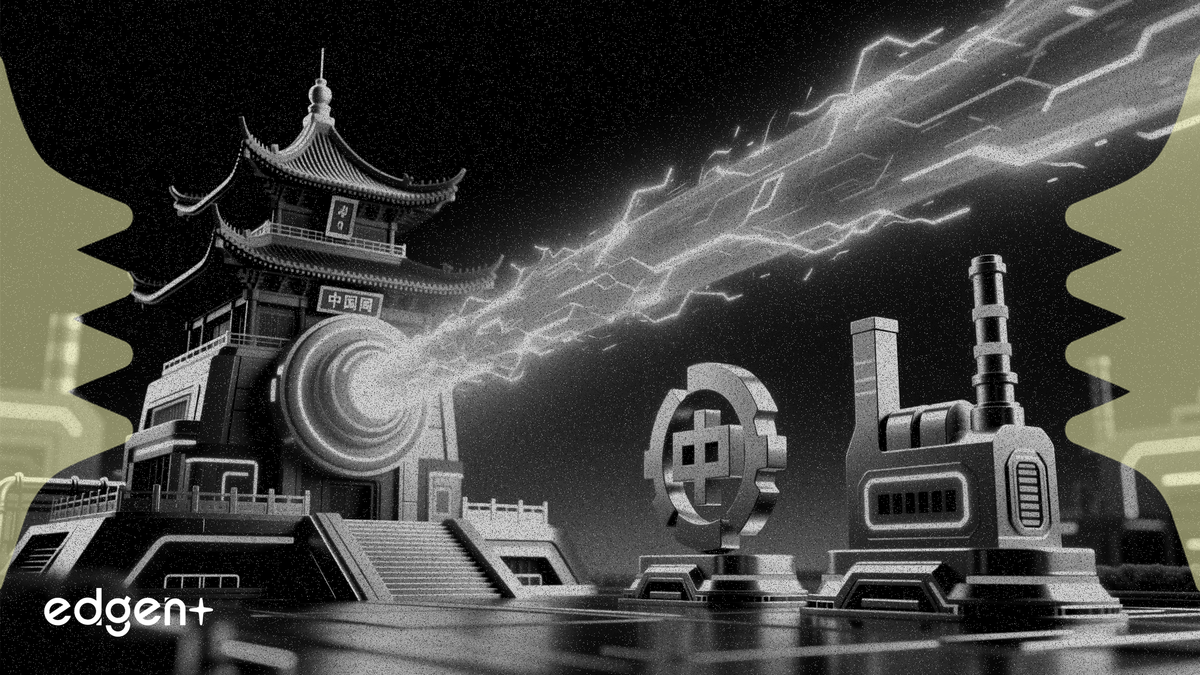
China's top economic and energy planning bodies have rolled out a new policy to facilitate direct green electricity connections for multiple users, a move set to benefit the country's burgeoning data center and green hydrogen sectors. The policy aims to absorb surplus renewable power while providing cheaper energy to strategic industries.
"The notice, from the National Development and Reform Commission (NDRC) and National Energy Administration (NEA), prioritizes support for 算力设施 (suànlì shèshī, computing power facilities) and green hydrogen," the agencies said in a joint release. The plan explicitly encourages emerging and future industries to participate.
The directive allows new renewable generation projects, as well as existing ones that are unable to connect to the grid due to congestion or other issues, to sell their power directly to corporate off-takers. This opens the door for distributed solar resources to be bundled and sold, creating a new, flexible power procurement model for industrial users.
For China's technology giants, this policy directly addresses a critical pain point: the immense energy cost of powering the digital economy. With electricity accounting for over 30% of a typical data center's operating expenses, securing cheaper, stable power is a significant competitive advantage, particularly as the country builds a domestic AI ecosystem to rival that of the United States.
The timing of the policy aligns with a national push to develop sovereign AI capabilities. As noted by UBS Global Wealth Management, China is building its own AI ecosystem, creating vast opportunities for domestic firms. This is reflected in recent earnings, with Chinese tech giant Baidu reporting a 49% surge in its AI-focused business to 13.6 billion yuan ($2 billion). The new green power policy will provide the energy backbone for this expansion.
By allowing direct power purchase agreements, the policy enables tech firms to lock in long-term energy prices, hedging against grid volatility and reducing operational costs. This is crucial for the high-performance computing required for large language model training and inference. While global players like Lloyds Bank are expanding to finance booming data center growth in the US, this Chinese policy provides a state-driven advantage for its domestic champions.
Beyond the tech sector, the policy offers a lifeline to renewable energy developers. China is the world's largest producer of wind and solar power, but it has long struggled with curtailment—the deliberate reduction of output because the grid cannot absorb the power. This notice effectively creates a new, decentralized market for that otherwise wasted energy.
The program is a direct incentive for the build-out of more renewable capacity, particularly distributed projects that can be located closer to industrial parks. For investors, this creates a more predictable revenue stream for generation assets that previously faced grid connection uncertainty.
The policy is a strategic move to couple two of China's key economic priorities: technology self-sufficiency and decarbonization. For investors, the directive signals a clear buying opportunity in specific sectors. UBS analysts recently highlighted the potential in China's technology sector, noting attractive valuations in Hong Kong-listed H-shares compared to their mainland A-share counterparts. This policy directly reinforces that thesis, creating a tangible catalyst for companies in the data center, cloud computing, and renewable energy supply chains.
This article is for informational purposes only and does not constitute investment advice.
