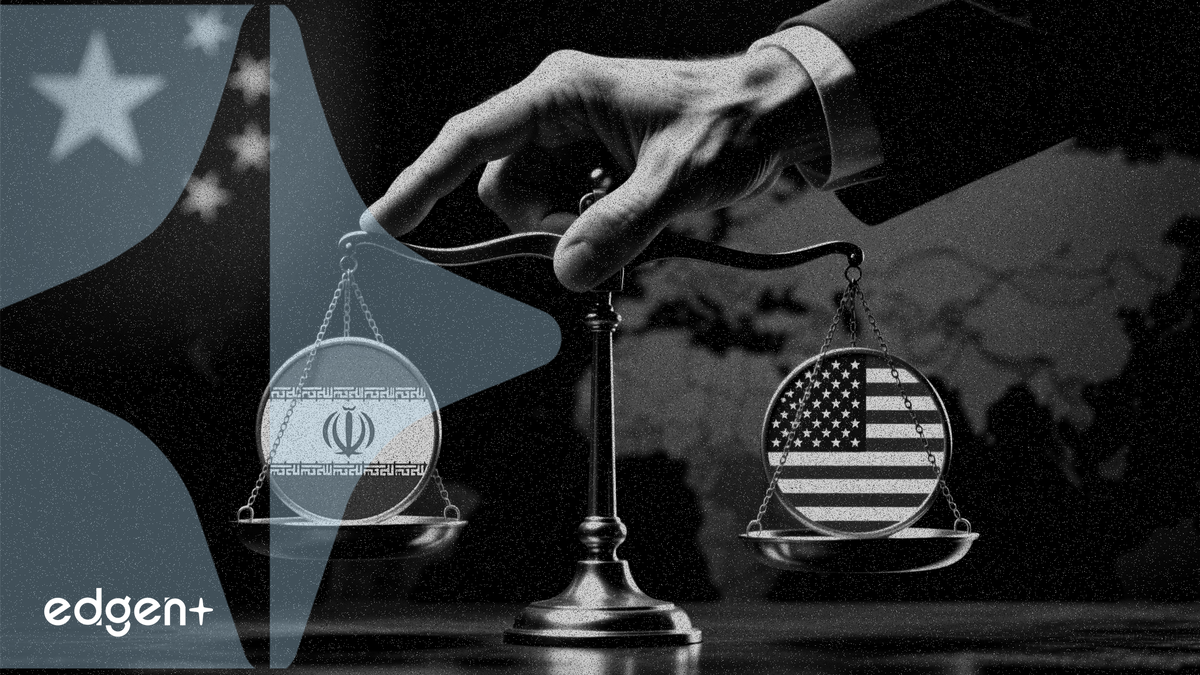
China's timely diplomatic intervention in the Iran crisis could grant it significant leverage in upcoming trade and security negotiations with the United States.

A high-stakes U.S.-China summit scheduled for May 14-15 will now feature the Iran crisis as a priority, after Chinese officials hosted Iran’s Foreign Minister and publicly pushed for a ceasefire and the reopening of the vital Strait of Hormuz.
“China has made it clear they believe the Iran crisis is going to be a specific priority for the Trump-Xi summit now that the war isn’t over,” says Yun Sun, director of the China Program at the Stimson Center.
The diplomatic push, which included over 30 calls and meetings by Foreign Minister Wang Yi, was met with positive market reaction as oil prices eased and stocks rose on hopes of de-escalation. U.S. President Donald Trump signaled “great progress” toward a final agreement, further buoying sentiment.
The move is seen by analysts as an opportunistic play by Beijing to position itself as a peacemaker, potentially creating a bargaining chip to be used in negotiations over tariffs, technology access, and Taiwan. China, the largest buyer of Iranian oil, has a vested interest in seeing the strait reopened and regional stability restored.
Analysts at 22V Research characterized the hosting of Iranian Foreign Minister Abbas Araghchi as a strategic move by Beijing to demonstrate its influence and ability to nudge both sides toward a compromise. By playing the role of mediator, China can frame any resolution as a "favor" to the U.S., which it could then use to seek concessions on its own core issues.
"Beijing can position itself as a peacemaker, and tell the U.S. it has done them a favor—and that the U.S. should think about what it can do for them," Sun notes. This could manifest as a request for the U.S. to soften its rhetoric on Taiwan's independence.
However, not all experts are convinced of China's sway. Dennis Wilder, a senior fellow at Georgetown University, believes the conflict may resolve independently of China's efforts. "This thing will be over before Trump gets to Beijing—you can see that from today’s tweets,” Wilder said, pointing to the fast-moving nature of the U.S.-Iran track.
For global markets, the immediate question is the reopening of the Strait of Hormuz, through which a significant portion of the world's oil passes. A prolonged closure threatens to keep energy prices elevated and disrupt global trade. The positive market reaction on Wednesday underscores the high stakes of a potential resolution.
The situation remains complex. This week, China instructed its companies to ignore U.S. sanctions on its Iranian oil refineries, signaling its intent to protect its own interests even while playing mediator. This conflict between U.S. sanctions and Chinese energy needs will need to be resolved in any comprehensive agreement and will likely be a key point of discussion at the Trump-Xi summit.
This article is for informational purposes only and does not constitute investment advice.