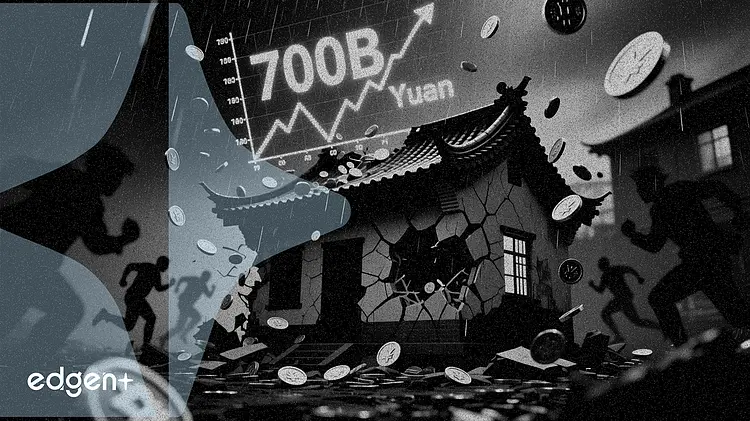
A wave of early mortgage repayments in China accelerated in 2025, causing the total personal housing loan balance at the nation's six largest banks to shrink by roughly 700 billion yuan. The decline to just over 25 trillion yuan by year-end reflects a significant trend of household deleveraging that signals persistent weakness in the property sector and poses a headwind for bank profitability.
"While banks face pressure from both the contraction in loan size and an increase in non-performing property loans, there are emerging signs of stability," a senior executive at one of the major banks noted in their annual report. "New mortgage applications have shown signs of warming since the beginning of the year, suggesting the market is beginning to find its footing."
The coordinated deleveraging by homebuyers, who are choosing to pay down debt to reduce interest expenses, comes as official data shows a continued slump in property investment and new home prices. The contraction in the mortgage book for the "Big Six" state-owned lenders, including Industrial & Commercial Bank of China Ltd. and China Construction Bank Corp., highlights the financial pressure on the banking sector. This trend is a direct contributor to rising non-performing loan ratios tied to the real estate sector, further squeezing net interest margins.
The trend presents a dual challenge for Beijing: while household deleveraging can reduce systemic financial risk, it also dampens consumer spending and reflects a lack of confidence in the investment outlook. The key indicator to watch is whether the recent uptick in mortgage applications translates into a sustained recovery in property sales, which is crucial for stabilizing the broader economy and investor sentiment toward Chinese equities and the yuan.
Homeowners Deleveraging Amid Uncertainty
The rush to prepay mortgages underscores a shift in consumer behavior in China. With returns on other investments dwindling and deposit rates being cut, households are redirecting their savings to pay down high-interest mortgage debt. This proactive deleveraging is a rational financial decision for individuals but creates a drag on the credit growth that has historically fueled China's economy.
The decline in mortgage balances for the six major banks is the most significant on record and reflects the broader challenges in China's property market, which has been grappling with a multi-year downturn. The pressure on banks' earnings is expected to persist as long as the property sector remains weak, potentially leading to lower dividend payouts and impacting investor returns. However, bank executives are cautiously optimistic that government support measures and a gradual return of market confidence could lead to a stabilization in 2026.
This article is for informational purposes only and does not constitute investment advice.