


China's urban renewal blueprint targets idle land activation and sustainable financing, sending beaten-down home developer stocks surging as much as 24 percent.
China's urban renewal blueprint targets idle land activation and sustainable financing, sending beaten-down home developer stocks surging as much as 24 percent.
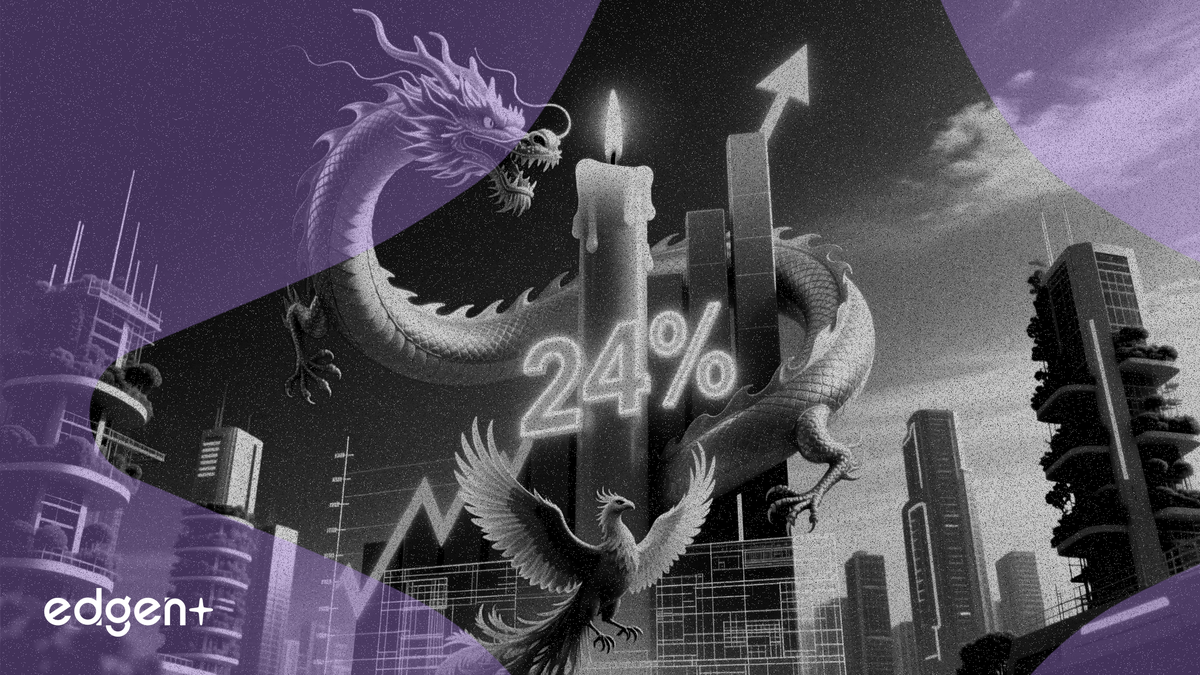
China's State Council on May 29 released an urban renewal plan for 2026-2030, proposing seven policy measures including idle land activation and sustainable financing, sending HK-listed home developer stocks up as much as 24 percent.
"The plan envisions significant progress in urban renewal by 2030, with cities evolving into places that ensure a high quality of life," the State Council said in the document, which outlines six major tasks spanning green transition, resilient infrastructure and cultural development.
Country Garden Holdings (02007.HK) led the rally, jumping 24.4 percent to HKD0.26 on turnover of 1.72 billion shares worth HKD458 million. China Aoyuan (03883.HK) rose 17 percent to HKD0.055, while China Vanke (02202.HK) gained 13 percent to HKD2.87 on turnover of 74.1 million shares. Yuexiu Property (00123.HK) added 6.5 percent to HKD4.45, and KWG Group (01813.HK) climbed 8.4 percent to HKD0.142.
The plan's emphasis on activating underutilized land and building a sustainable investment and financing system for urban construction could improve cash flows and asset utilization for developers that have struggled with liquidity pressures since the sector's debt crisis began in 2021. The policy framework also introduces full life-cycle housing safety management systems and promotes "quality homes" construction, signaling a shift from volume-driven development to quality-focused urban renewal.
The seven policy measures include improving the implementation mechanism for urban renewal, stepping up support for activating idle land, establishing a full life-cycle housing safety management system, promoting multi-party participation, enhancing the legal and regulatory framework, and strengthening technological and talent support. The plan also calls for upgrading municipal infrastructure and making better use of underutilized land parcels.
The last major policy intervention targeting the real estate sector — the "16-point" support package in November 2022 — triggered a similar rally, with the Hang Seng Properties Index gaining 18 percent over the following month. That package focused on credit support and bond financing for developers, while the current plan takes a longer-term structural approach through urban renewal and land activation.
China's property sector has been in a prolonged downturn since Evergrande's default in late 2021, with home sales and developer cash flows under sustained pressure. The urban renewal plan represents a shift toward using existing urban land more efficiently rather than relying on new greenfield development, potentially opening a multi-year pipeline of redevelopment projects. For developers holding large land banks in urban areas, the idle land activation measures could unlock value that has been tied up in non-performing assets.
This article is for informational purposes only and does not constitute investment advice.
