
Beijing is moving to close overseas acquisition loopholes that allowed Western firms to buy Chinese AI startups, following the unwinding of Meta Platforms Inc.'s $2 billion purchase of Manus.
Beijing is moving to close overseas acquisition loopholes that allowed Western firms to buy Chinese AI startups, following the unwinding of Meta Platforms Inc.'s $2 billion purchase of Manus.
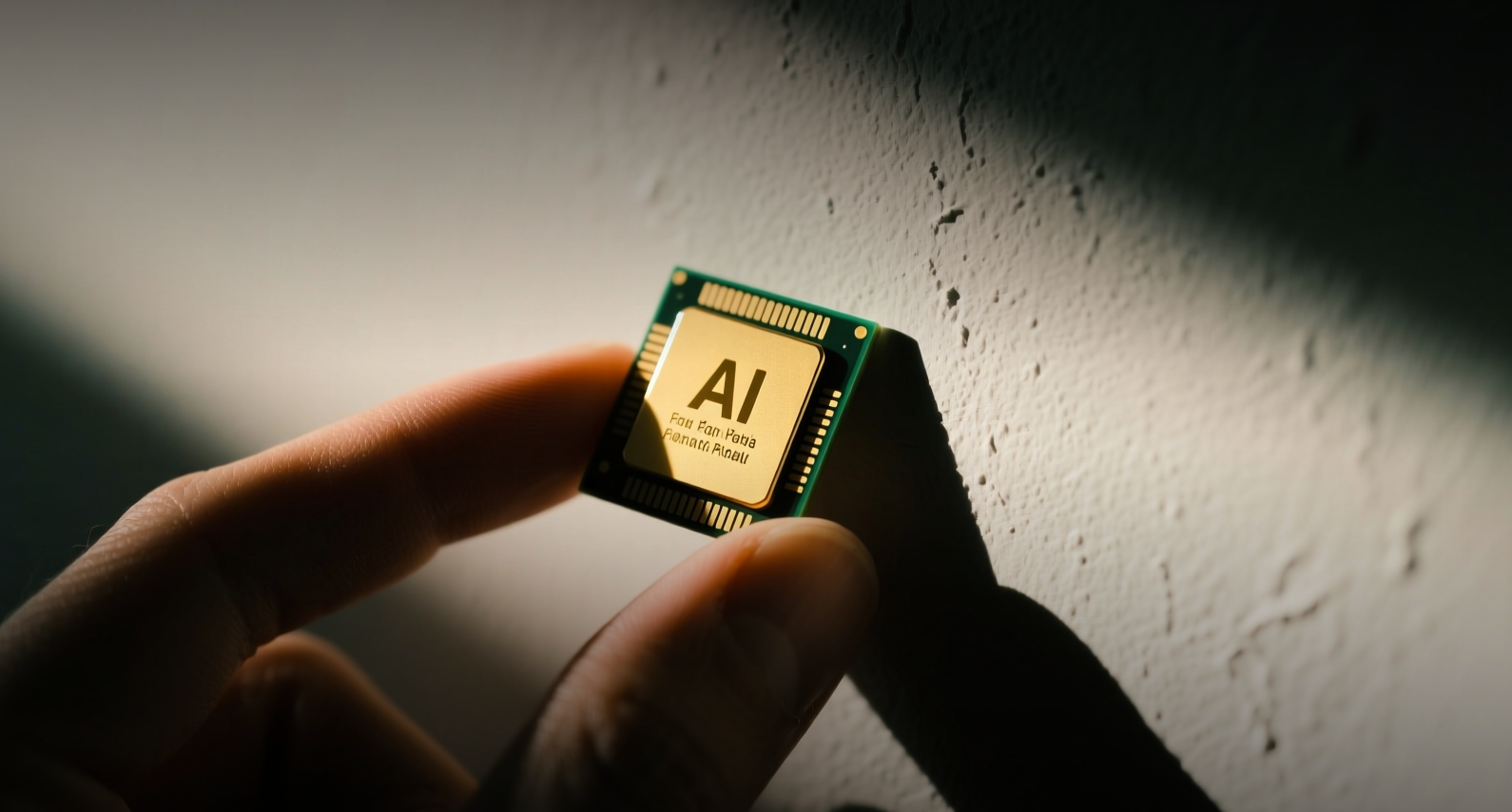
China's Ministry of Commerce is consulting domestic AI leaders on new export controls for artificial intelligence and semiconductor technologies, aiming to prevent Western acquisition of strategic startups, the Financial Times reported.
"Regulators are looking at industry feedback before making final decisions," a person involved in the discussions told the FT, speaking on condition of anonymity.
The consultations include Alibaba Group Holding Ltd., ByteDance Ltd. and Z.AI, with proposals covering restrictions on cross-border transfers of key training data and overseas acquisitions involving generative AI companies. The push follows Chinese authorities' decision to unwind Meta Platforms Inc.'s $2 billion acquisition of Manus, a deal Beijing viewed as exploiting regulatory loopholes.
The tighter controls risk deepening the US-China technology decoupling at a time when Chinese AI models are rapidly closing the gap with American rivals. Moonshot AI's Kimi K3 model, released last week, outperformed Anthropic's flagship Opus 4.5 in most benchmark tests, according to Goldman Sachs.
Export controls target data and M&A loopholes
The proposed rules would restrict the transfer overseas of key data used for training large language models, though overseas customers would still be able to access Chinese AI models and services, the people said. Regulators are also examining ways to block foreign acquisitions of Chinese technology groups in areas such as generative AI, addressing what Beijing views as a structural gap in existing oversight.
The current average US tariff on Chinese goods stands at about 19 percent after the Trump administration's 2025 escalation, according to the Peterson Institute for International Economics. That round reduced bilateral trade by roughly $63 billion over six months, Census Bureau data show. The new export controls would add a regulatory layer on top of existing trade barriers, further fragmenting technology supply chains.
China's AI capabilities narrow the gap
The regulatory push comes as Chinese AI developers demonstrate accelerating progress. Anthropic's head of national security policy, Tarun Chhabra, said Wednesday that the United States holds a six-to-nine-month lead over Chinese competitors in frontier AI models, accusing Chinese firms of using unauthorized "distillation" techniques to replicate American advances.
"Virtually all of China's leading labs now are distilling not only our models but those of our peers in the United States as well," Chhabra said at the Aspen Security Forum. He said the US could have been "a year to 18 months ahead" if Chinese firms had not engaged in the practice.
The narrowing gap has coincided with renewed US efforts to tighten its own export regime. Washington recently approved limited shipments of Nvidia Corp.'s H200 AI chips to about 10 Chinese companies including Alibaba, Tencent Holdings Ltd. and ByteDance, though volumes remain minimal, according to US Commerce Department testimony. At the same time, US lawmakers are advancing the MATCH Act, which seeks greater allied alignment on semiconductor equipment export restrictions.
For investors, the dual regulatory tightening on both sides of the Pacific introduces a new layer of uncertainty for technology supply chains. Chinese AI companies face restricted access to Western capital and acquisition targets, while US semiconductor firms confront a shrinking addressable market in China. ASML Holding NV, the Dutch chip equipment maker, cited export controls as a key business risk even as it raised its 2026 revenue guidance to as much as 45 billion euros on AI-driven demand.
This article is for informational purposes only and does not constitute investment advice.
