
Beijing is moving to dismantle the institutional walls that fragment its domestic technology market.
Beijing is moving to dismantle the institutional walls that fragment its domestic technology market.
Beijing is moving to dismantle the institutional walls that fragment its domestic technology market.
China's MIIT said it will accelerate work on a national integrated technology market, aiming to remove trade barriers and institutional obstacles that have long hindered the commercialization of research across provincial lines. The announcement came at a State Council press briefing on Monday where officials reviewed industrial and information technology development in the first half of 2026.
"The ministry is focusing on three areas: smoothing channels for成果产业化, strengthening tech enterprise incubation chains, and cultivating the technology services industry," Wang Weiming, chief engineer at MIIT, said.
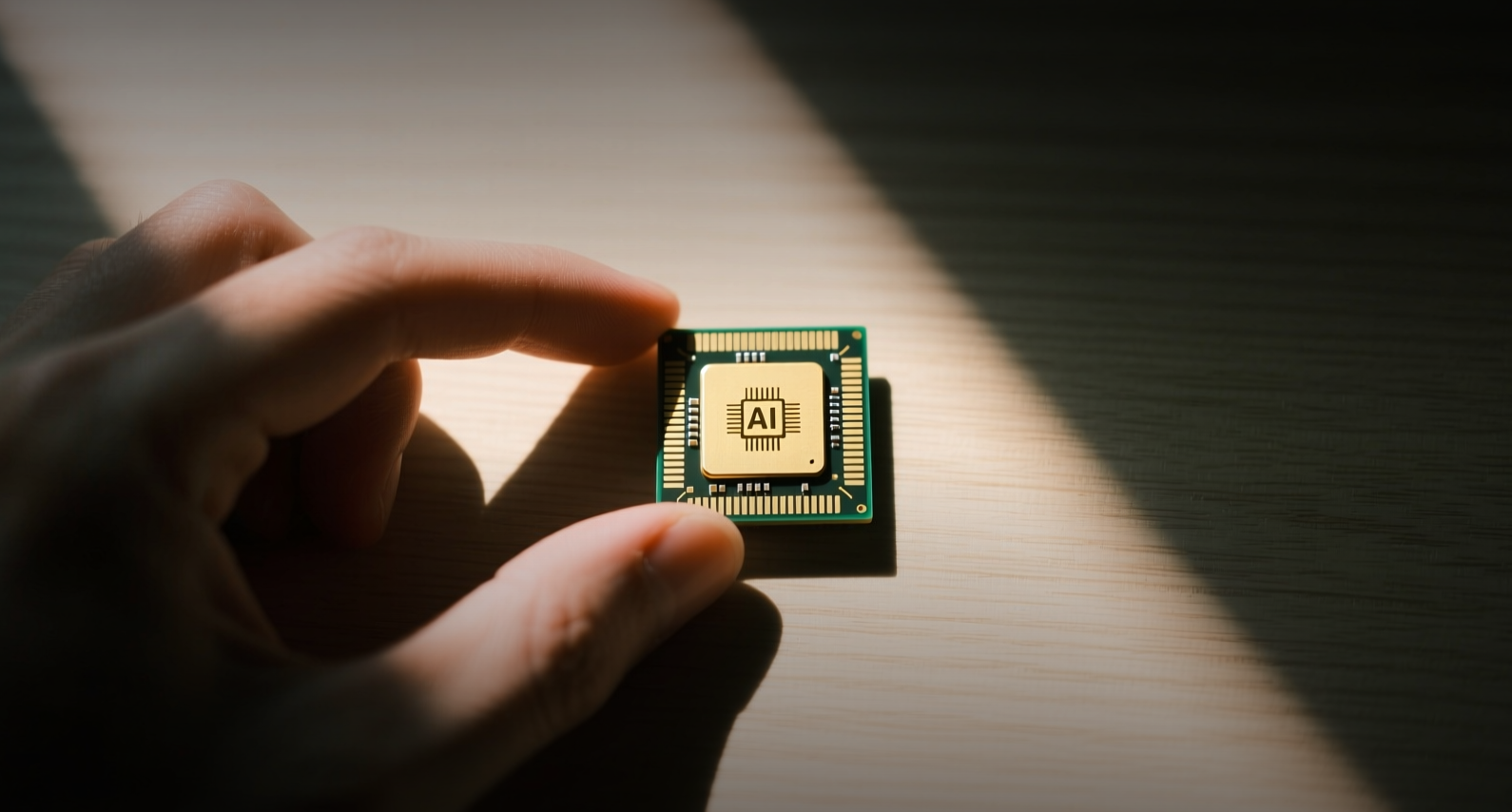
The push for integration comes as China's technology sector navigates competing pressures. Beijing has simultaneously pursued self-reliance in critical technologies, with officials limiting orders of Nvidia's H200 AI chips in favor of local alternatives, according to reports. That defensive posture risks slowing innovation by keeping out the world's best tools, as The Atlantic reported this week.
If successful, the integrated market could unlock significant value by reducing transaction costs for technology transfers across China's 31 provinces, where varying local regulations and protectionist policies have historically created friction. The policy reflects Beijing's recognition that technological self-sufficiency requires not just domestic production but also efficient domestic distribution of innovation.
China's technology market has long been fragmented by provincial protectionism, with local governments favoring homegrown companies for procurement and imposing varying standards that raise compliance costs for cross-regional technology transfers. The MIIT's initiative targets these structural frictions directly, though the ministry did not provide a specific timeline for implementation.
For global investors, the implications are twofold. A more efficient technology market could accelerate the commercialization cycle for Chinese tech firms, potentially boosting revenue growth for companies in AI, semiconductors, and advanced manufacturing. But the parallel push for technological decoupling — favoring local chips over Nvidia's — creates a countervailing drag on productivity, as Chinese firms may be forced to use inferior domestic alternatives.
The policy also carries implications for China's broader economic rebalancing. As the property sector continues to weigh on growth, Beijing has identified technology-driven productivity gains as a key driver for the next phase of development. Removing barriers to technology transfer could help channel innovation from research labs into commercial applications more quickly, supporting the government's goal of transitioning from an investment-led to an innovation-led economy.
The MIIT's announcement follows a pattern of incremental market reforms aimed at improving allocative efficiency without fundamentally altering the state's role in the economy. Previous efforts to liberalize factor markets — including interest rate deregulation and hukou reform — have proceeded at varying speeds, with implementation often lagging policy ambition.
This article is for informational purposes only and does not constitute investment advice.
