
Sự sụt giảm 13,7% so với cùng kỳ năm ngoái trong đầu tư bất động sản tính đến tháng 4 cho thấy những nỗ lực ổn định lĩnh vực này của Bắc Kinh đang thất bại khi niềm tin của người mua tan biến.
Sự sụt giảm 13,7% so với cùng kỳ năm ngoái trong đầu tư bất động sản tính đến tháng 4 cho thấy những nỗ lực ổn định lĩnh vực này của Bắc Kinh đang thất bại khi niềm tin của người mua tan biến.
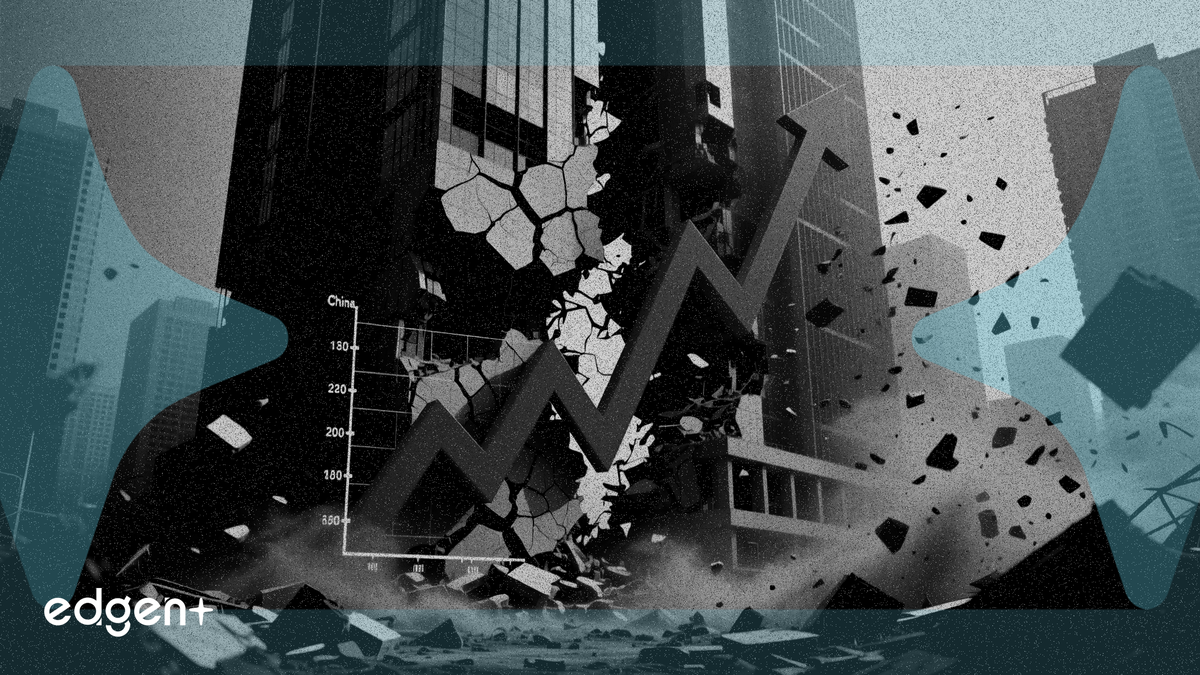
Cuộc khủng hoảng bất động sản của Trung Quốc chưa có dấu hiệu chạm đáy, với đầu tư bất động sản giảm mạnh 13,7% trong 4 tháng đầu năm, tốc độ giảm gia tăng đáng kể so với mức giảm 11,2% của giai đoạn trước. Sự sụt giảm ngày càng sâu sắc này nhấn mạnh sự sụp đổ dai dẳng trong một lĩnh vực từng chiếm gần một phần ba hoạt động kinh tế của đất nước, thách thức những nỗ lực ổn định của Bắc Kinh.
Zhang Xiaoduan, giám đốc điều hành bất động sản tại Cushman & Wakefield, cho biết: “Vẫn còn một khoảng cách giữa những tín hiệu này và sự gia tăng thực sự về sức mua thực tế trên toàn thị trường, hoặc sự phục hồi nhanh chóng do nhu cầu đó thúc đẩy”.
Sự sụt giảm đầu tư tiêu đề càng trở nên trầm trọng hơn do doanh số bán hàng lao dốc. Năm ngoái, giá trị doanh số bán nhà mới đã giảm xuống còn 7,3 nghìn tỷ nhân dân tệ (1,06 nghìn tỷ USD), giảm so với mức đỉnh 16,2 nghìn tỷ nhân dân tệ (2,3 nghìn tỷ USD) vào năm 2021. Cuộc khủng hoảng đã dẫn đến việc thanh lý theo lệnh của tòa án đối với tập đoàn phát triển khổng lồ Evergrande và đẩy những tập đoàn khác như Country Garden đến bờ vực.
Sự suy thoái kéo dài đe dọa các mục tiêu tăng trưởng kinh tế chung của Trung Quốc và đang buộc xã hội phải thực hiện một cuộc tái thiết văn hóa đau đớn. Với việc các nhà phát triển vỡ nợ và giá trị nhà giảm, niềm tin lâu nay vào bất động sản như một con đường đảm bảo dẫn đến sự giàu có đã bị tan vỡ, khiến hàng triệu người mua tiềm năng lo ngại về việc vay thế chấp trong một nền kinh tế bất ổn.
Trong nhiều thập kỷ, việc sở hữu nhà là trụ cột trung tâm của xã hội Trung Quốc, đại diện cho sự ổn định của gia đình và địa vị xã hội. Chín trong số 10 hộ gia đình sở hữu nhà riêng, tỷ lệ này vượt xa hầu hết các quốc gia phương Tây. Điều này được thúc đẩy bởi sự chuyển đổi từ nhà ở do nhà nước cung cấp vào những năm 1990 và sự nhấn mạnh về văn hóa vào việc tiết kiệm và đầu tư vào bất động sản. Tuy nhiên, cuộc khủng hoảng hiện tại đang đảo lộn chuẩn mực này. Mandy Feng, một người thuê nhà 30 tuổi ở Côn Minh, cho biết: “Mặc dù giá bất động sản thấp nhưng nền kinh tế không tốt. Khi mọi người đều bị ảnh hưởng bởi thu nhập không ổn định và không kiếm được nhiều tiền, không ai dám vay thế chấp”.
Chính phủ trung ương đã đưa việc ổn định thị trường nhà ở vào chương trình nghị sự của mình nhưng dường như không muốn thổi phồng lại bong bóng, thay vào đó tập trung vào tiến bộ công nghệ như động lực kinh tế mới. Các biện pháp kích thích được đưa ra cho đến nay đã thất bại trong việc bù đắp nỗi lo lắng của công chúng về nền kinh tế yếu kém và triển vọng việc làm. Cuộc khủng hoảng cho thấy ngay cả đầu tư bất động sản cũng tiềm ẩn rủi ro đáng kể, một nhận thức đang khiến người tiêu dùng thận trọng hơn và có thể dẫn đến việc thuê nhà trở nên phổ biến hơn, phản ánh xu hướng ở các nước phương Tây.
Bài viết này chỉ mang tính chất thông tin và không cấu thành lời khuyên đầu tư.
