


Key Takeaways:
- Five Chinese ministries launched the 2026 NEV countryside campaign on June 25
- Simultaneous kickoff events in Xinjiang and Hainan signal broad geographic scope
- BYD, SAIC and Geely are best positioned to benefit from rural EV expansion
Key Takeaways:
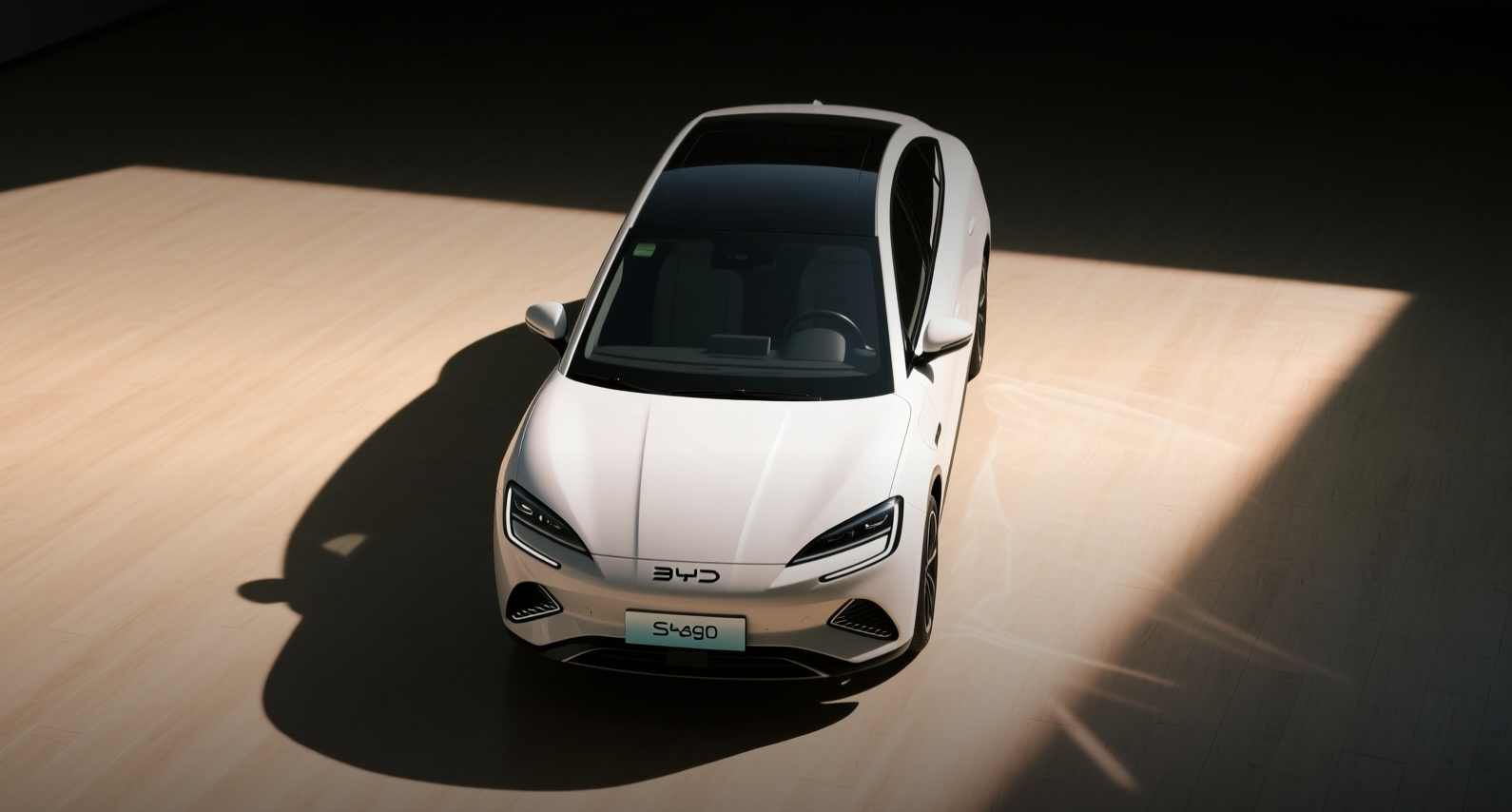
Five Chinese central government ministries kicked off the 2026 edition of the "New Energy Vehicles Going to the Countryside" campaign on June 25, signaling Beijing's push to expand EV adoption beyond major cities into rural China.
The Ministry of Industry and Information Technology, Ministry of Commerce, National Development and Reform Commission, Ministry of Agriculture and Rural Affairs, and National Energy Administration launched the campaign simultaneously in Tacheng, Xinjiang and Chengmai, Hainan — two regions that underscore the program's geographic ambition.
"Rural markets represent the next growth frontier for China's new energy vehicle industry, with penetration rates still below 20% in many counties compared to over 40% in tier-1 cities," a MIIT official said at the Tacheng launch event.
The 2026 campaign builds on previous editions that have helped drive NEV sales in rural areas. China produced 1.296 million new energy vehicles in Chongqing alone in 2025, accounting for about 46.5% of the city's total automobile output, according to local government data. The New International Land-Sea Trade Corridor, which links inland China to ASEAN markets, moved 120 million tonnes of cargo through national logistics hubs in 2025, up 13% year on year — a logistics backbone that supports distribution of vehicles to rural dealerships.
The multi-ministerial approach — spanning industry, commerce, agriculture, and energy — reflects the campaign's scope. Beyond vehicle sales, the program typically includes subsidies for charging infrastructure installation in rural areas, trade-in incentives for older gasoline vehicles, and financing support for agricultural cooperatives and small businesses. The NEA's involvement points to continued investment in rural charging networks, a key barrier to adoption in less developed regions.
Who wins, who loses
BYD Co., which dominates China's NEV market with a roughly 33% share according to the China Passenger Car Association, stands as the primary beneficiary. The company's low-cost models — including the Seagull, priced from about $9,700 (70,000 yuan) — are well-suited for rural price sensitivity. SAIC Motor Corp. and Geely Automobile Holdings Ltd., both with extensive distribution networks in lower-tier cities, also stand to gain. NIO Inc., focused on premium EVs with battery-swapping technology, may see less direct benefit unless it introduces more affordable models for the campaign.
For global automakers, the campaign widens the competitive gap. Foreign brands held less than 5% of China's NEV market in 2025, CPCA data shows, and rural distribution remains a structural disadvantage against domestic players with deeper local networks.
The campaign also supports China's broader rural modernization agenda. President Xi Jinping, during a June 24 inspection in Dezhou, Shandong, called for advancing agricultural and rural modernization, emphasizing the need to ensure stable grain supplies and build livable villages. The NEV campaign aligns with that vision by promoting cleaner transportation in areas where agricultural logistics and personal mobility increasingly overlap.
BYD shares traded at around 260 yuan in Shenzhen on June 25, up about 18% year to date. The stock trades at roughly 22 times forward earnings, below its five-year average of 28 times, suggesting the market has yet to fully price in rural expansion. If the 2026 campaign drives a 15% to 20% increase in rural NEV sales — in line with the impact of prior editions — analysts estimate it could add 3 billion yuan to 5 billion yuan in aggregate revenue for participating automakers in the second half of the year.
This article is for informational purposes only and does not constitute investment advice.
