
Pekín ha trazado una nueva línea en su conflicto económico con Washington, desafiando directamente el derecho de Estados Unidos a aplicar sus sanciones de forma extraterritorial.
Pekín ha trazado una nueva línea en su conflicto económico con Washington, desafiando directamente el derecho de Estados Unidos a aplicar sus sanciones de forma extraterritorial.
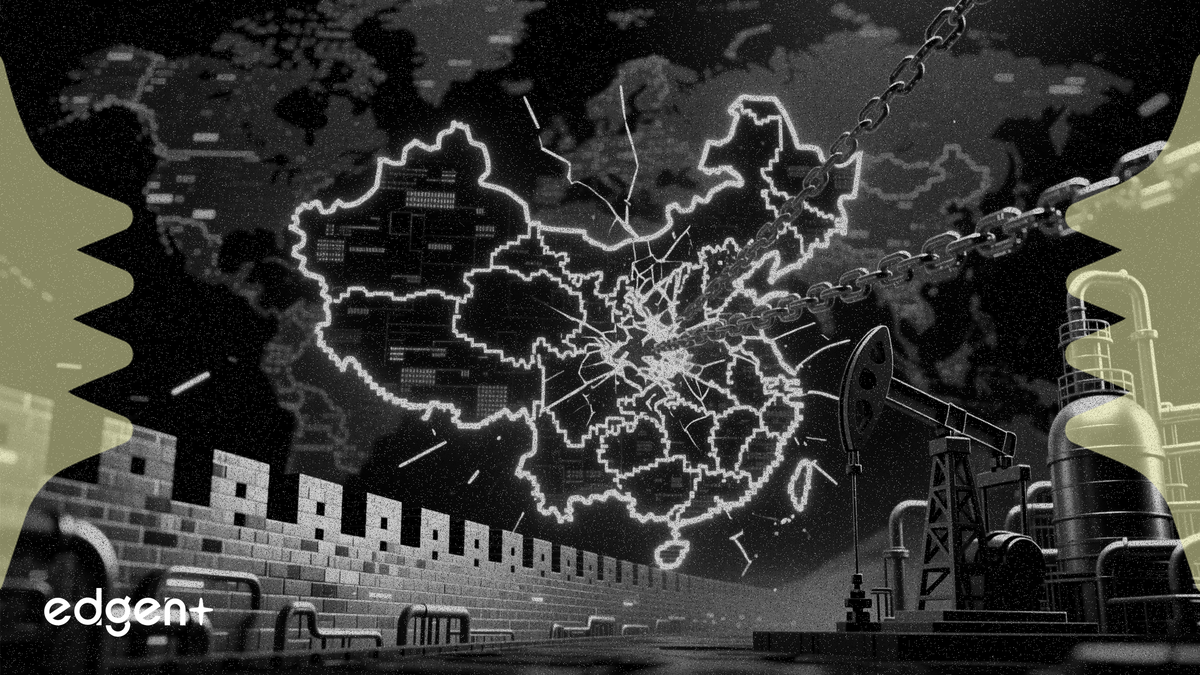
El Ministerio de Comercio de China emitió una orden de bloqueo formal el 2 de mayo contra las sanciones de Estados Unidos a cinco de sus empresas petroquímicas, intensificando la disputa sobre el comercio de petróleo de Irán y desafiando el alcance global de la ley estadounidense.
"Estados Unidos ha violado el derecho internacional y las normas básicas de las relaciones internacionales al imponer sanciones a empresas chinas", afirmó un portavoz del Ministerio de Comercio en un comunicado. La orden del Ministerio prohíbe a las cinco empresas cumplir con las medidas estadounidenses, que consideró una "aplicación extraterritorial injustificada" de la legislación extranjera.
La orden se dirige a Hengli Petrochemical, Shandong Shouguang Luqing Petrochemical, Shandong Jincheng Petrochemical Group, Hebei Xinhai Chemical Group y Shandong Shengxing Chemical. Estas firmas forman parte de una red de refinerías privadas conocidas como "teapots", que se han convertido en los principales compradores de crudo iraní, según un informe del Wall Street Journal. Este comercio proporciona un salvavidas financiero crucial para Teherán, estimado en decenas de miles de millones de dólares anuales.
La medida marca un cambio significativo en la estrategia de Pekín, pasando de la condena retórica a una contramedida legal directa. Crea un conflicto directo de leyes, lo que podría obligar a las empresas multinacionales a elegir entre adherirse a las sanciones de EE. UU. o a la ley china. La orden establece un precedente nuevo y más conflictivo sobre cómo responderá China a la futura presión económica de EE. UU.
Las refinerías "teapot", que en su día fueron una franja rebelde del sector petrolero chino dominado por el Estado, se han convertido en un instrumento crítico de la política industrial y exterior. Al operar con más flexibilidad que sus homólogas estatales, estas empresas independientes se han vuelto expertas en navegar por el complejo y opaco mundo de la evasión de sanciones. Al comprar casi todas las exportaciones de petróleo de Irán, proporcionan a Teherán un flujo constante de ingresos que, de otro modo, se vería asfixiado por las sanciones de EE. UU.
Washington ha intensificado recientemente sus esfuerzos para interrumpir este comercio. El Departamento de Estado de EE. UU. ha sancionado repetidamente a entidades en China y otros lugares por su papel en el transporte y procesamiento de petróleo iraní. La inclusión de estas cinco refinerías "teapot" en la lista de "Nacionales Especialmente Designados" (SDN) fue el paso más reciente en esta campaña, diseñada para congelar sus activos y aislarlas del sistema financiero estadounidense.
La respuesta de China es su aplicación más directa hasta la fecha de su "Estatuto de Bloqueo", o las Reglas para Contrarrestar la Aplicación Extraterritorial Injustificada de Legislación Extranjera y Otras Medidas, introducidas por primera vez en 2021. Al emitir una orden de bloqueo formal, Pekín no solo está protestando, sino que está creando un escudo legal para sus empresas y afirmando su propia autoridad sobre la actividad económica dentro de sus fronteras.
Esta acción señala una nueva fase en la rivalidad económica entre EE. UU. y China. Mientras que antes se centraba en los aranceles y las restricciones tecnológicas, el conflicto se está expandiendo ahora hacia la arquitectura fundamental del derecho internacional y las finanzas. La orden de bloqueo podría envalentonar a otros países a desafiar la primacía de las sanciones de EE. UU., erosionando potencialmente su eficacia como herramienta de política exterior. Para las empresas internacionales, introduce una nueva capa de riesgo regulatorio e incertidumbre, donde el cumplimiento de las leyes de una superpotencia significa el incumplimiento de las de la otra.
Este artículo es solo para fines informativos y no constituye asesoramiento de inversión.
