

China's block of Meta's $2 billion AI acquisition signals escalating tech tensions and stricter regulatory oversight for US firms.
China's block of Meta's $2 billion AI acquisition signals escalating tech tensions and stricter regulatory oversight for US firms.
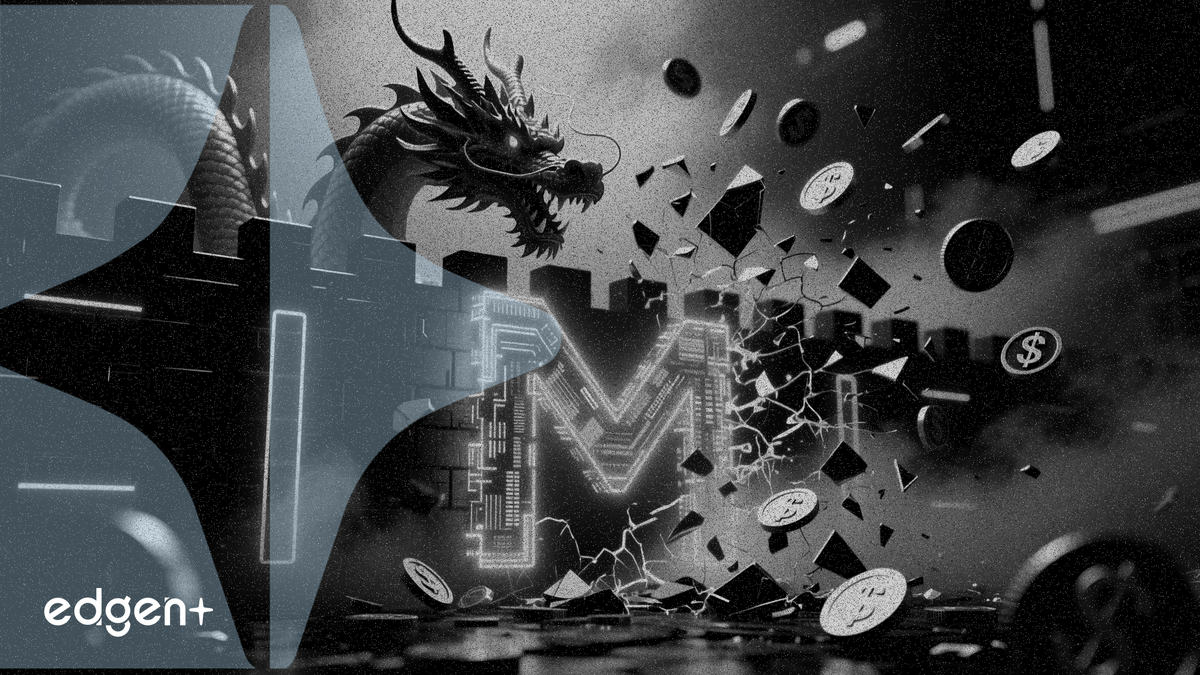
China blocked Meta Platforms Inc.'s planned $2 billion acquisition of artificial intelligence startup Manus AI, a move that sharpens the divide in the US-China technology race and establishes a new regulatory barrier for American firms. The decision, announced April 27, 2026, represents a significant escalation of Beijing's oversight on cross-border technology transfers.
The Chinese National Development and Reform Commission, with the Foreign Investment Security Review board, issued an order prohibiting the transaction and mandating it be unwound, according to a government notice.
The action marks the first public use of China's 2020 foreign investment review measures to halt a deal in the AI sector. While prediction markets for Meta's stock price reaching $740 by April 2026 remain unchanged, the regulatory setback introduces new uncertainty for investors and other tech giants like Google and Microsoft that have interests in the region.
This move could create a chilling effect on future M&A activity, potentially deterring other Chinese AI firms from seeking overseas partnerships and increasing the perceived regulatory risk for any US technology company making strategic investments involving Chinese entities.
The decision to block the Meta-Manus deal is the first major public test of foreign investment security review measures China implemented in 2020. The rules grant authorities broad jurisdiction to review and reject transactions involving foreign investors on national security grounds. Manus AI, while being acquired by a US firm, was founded in China, giving Beijing a clear path to assert its authority over the AI technologies initially developed within its borders. The unwinding of a $2 billion deal serves as a costly signal to the market about the seriousness of these regulations.
The intervention highlights the intensifying competition between the US and China, particularly in foundational technologies like artificial intelligence. For Meta, the failed acquisition is a direct blow to its strategy of bolstering AI capabilities through strategic purchases. For the broader market, it suggests a new front in the tech rivalry has opened, moving from tariffs and export controls to direct intervention in corporate M&A. Market participants will now closely watch for responses from both Meta and US trade officials, as well as any change in strategy for other technology firms navigating the complex geopolitical landscape.
This article is for informational purposes only and does not constitute investment advice.

