
Key Takeaways:
- Revenue surged 92% to $193.4 million, beating consensus estimates.
- Core gross margin forecast to shrink to 36%-38% in Q2 from 46.5%.
- Stock fell 8% in extended trading after the margin warning.
Key Takeaways:
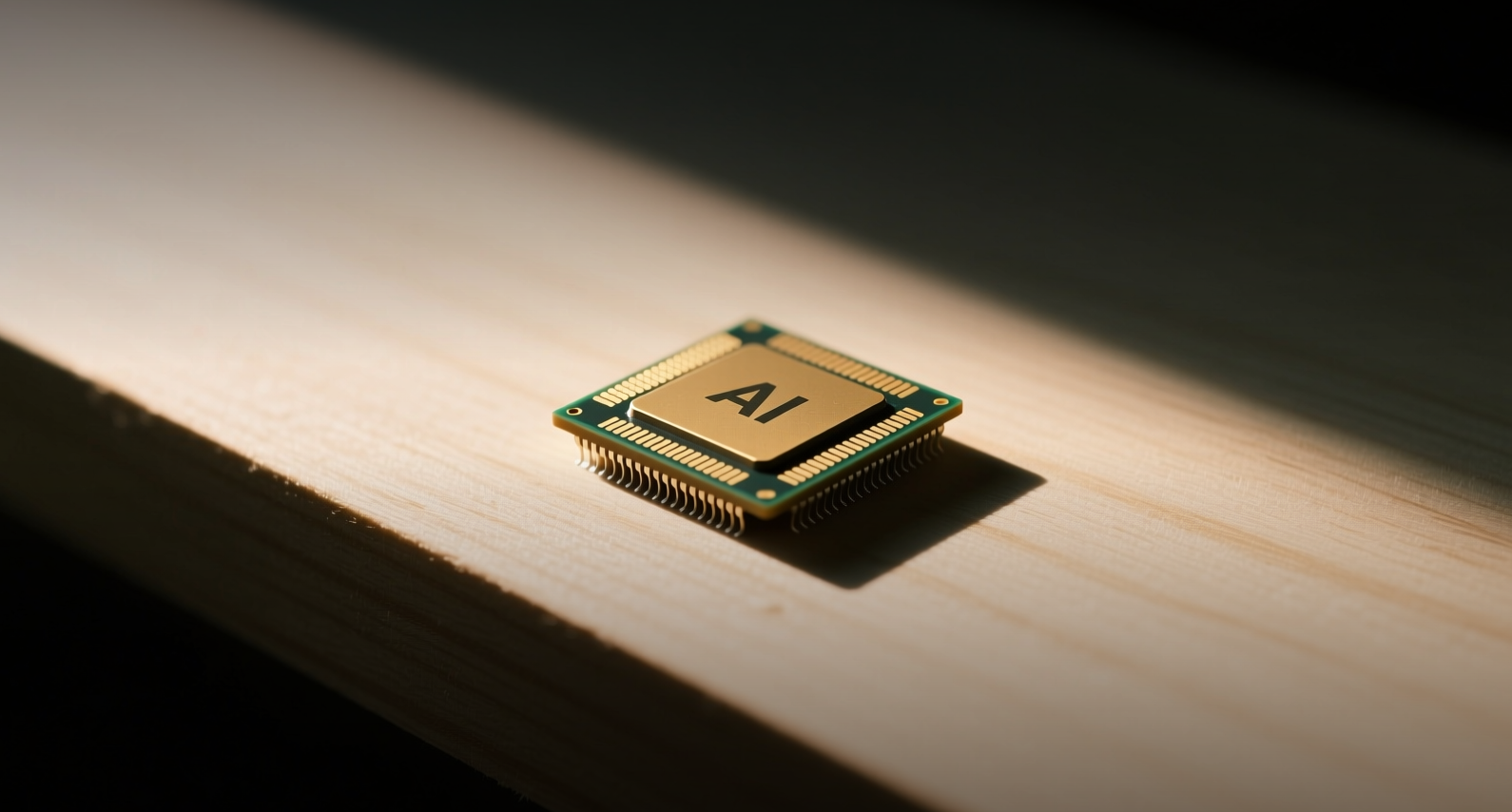
Cerebras reported Q1 revenue of $193.4 million, up 92% from a year earlier and above the $180.8 million consensus, but shares slid after the AI chipmaker forecast a sharp contraction in gross margins.
"The results highlight the large and rapidly growing opportunity in front of us," Chief Financial Officer Bob Komin said in a statement.
The company posted a GAAP net loss of $14 million, or 22 cents per share, narrowing from $23.9 million, or 46 cents per share, a year earlier. On an adjusted basis, the loss was $2.5 million, beating analyst forecasts of $36.75 million. Core gross margin, or profit left after accounting for the cost of goods sold, came in at 46.5% in the first quarter.
For the second quarter, Cerebras expects core gross margin of 36% to 38%, a decline that overshadowed a revenue forecast of $194 million, above the $178 million consensus. Full-year core revenue is projected at $855.5 million to $865 million, implying 69% growth at the midpoint.
Cerebras went public in May in the largest semiconductor IPO on record, pricing shares at $185 and raising $6.4 billion on the Nasdaq. The stock closed Tuesday at $226.72, down 28% from its first-day close of $311.07, before sliding about 8% in extended trading.
The company announced two major partnerships during the quarter: a multi-year deal with OpenAI valued at more than $20 billion covering 750 megawatts of high-speed inference compute, and an agreement to deploy its chips inside Amazon Web Services data centers. Cerebras and OpenAI also co-launched Codex-Spark, a coding model capable of delivering more than 1,000 tokens per second.
Cerebras competes with Nvidia Corp. in the market for AI chips, offering a performance advantage by packing more SRAM memory on its wafer-scale processors than Nvidia's graphics processing units, according to Mizuho analysts. The margin compression reflects the costs of scaling its AI infrastructure business as it expands capacity to meet demand from customers like OpenAI.
The company ended the quarter with $3.3 billion in cash, equivalents, restricted cash and short-term investments. Investors will watch for updates on the OpenAI contract ramp, including the vesting of warrants for 29 million shares tied to performance milestones, which could trigger additional noncash charges as early as this month, Needham analyst Quinn Bolton said.
This article is for informational purposes only and does not constitute investment advice.
