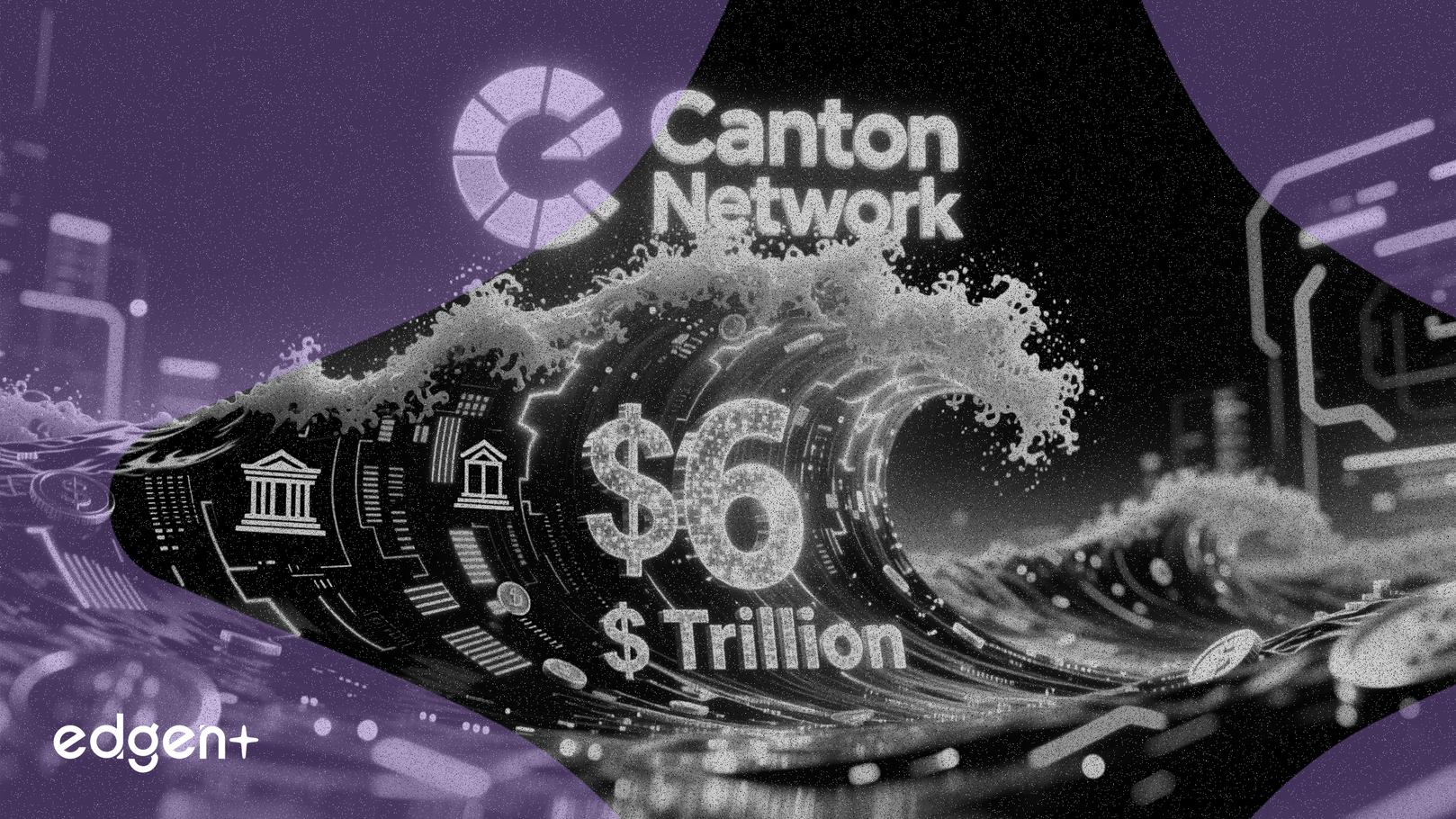
Canton Ağı'nın 6 Trilyon Dolarlık Varlık Kaymasını Kolaylaştırdığı İddiası
28 Şubat 2026'da ortaya çıkan raporlar, Canton Ağı'nda anıtsal, halka açık olmayan bir finansal olayın gerçekleştiğini iddia ediyor. İddia edilen "6 trilyon dolarlık flippening", kurumsal varlıkların kapalı, banka düzeyinde altyapıya büyük ölçekli bir yeniden platformlanmasını gösteriyor. Halka açık piyasa görüşünden gizlenmiş bu olay, kurumsal finansın önemli bir kısmının varlık tokenizasyonu için izinli dağıtılmış defter teknolojisine (DLT) geçtiğini gösteriyor. Doğrulanırsa, bu transferin ölçeği, geleneksel ve halka açık kripto piyasaları dışında tamamen gerçekleştirilen, bir blok zinciri platformuna yapılan en büyük tek sermaye hareketlerinden birini temsil edecektir.
Kurumlar Özel Blok Zinciri Altyapısını Benimsemiş Durumda
Digital Asset gibi katılımcılarla birlikte Canton Ağı, halka açık blok zincirlerinin sunamadığı kurumların gizlilik, kontrol ve uyumluluk gereksinimlerini karşılamak üzere özel olarak tasarlanmıştır. Bu iddia edilen 6 trilyon dolarlık olay, köklü finansal oyuncuların verimlilik ve yeni ürün yaratma için blok zincirinden yararlanmaya yönelik artan iştahının güçlü bir kanıtı olarak hizmet ediyor. Varlıklarını özel bir ağda tokenleştirerek kurumlar, stratejilerini veya pozisyonlarını daha geniş piyasaya ifşa etmeden kesin uzlaşma ve operasyonel iyileştirmeler elde edebilirler. Finansın bu paralel evrimi, izin gerektirmeyen kripto dünyası ile özel, yalnızca kurumlara yönelik dijital varlık ekosistemi arasındaki bir ayrımı vurgulamaktadır.
Kaymanın Gizliliği Sistemik Risk Sorularını Gündeme Getiriyor
Canton Ağı olayından kaynaklanan birincil endişe, derin şeffaflık eksikliğidir. Bu büyüklükte bir sermaye kaymasının 'gizlice' gerçekleşmesi, daha geniş piyasanın etkilerini analiz etmesini veya potansiyel karşı taraf ve sistemik riskleri fiyatlamasını imkansız hale getirir. Bu hareket, kurumsal blok zinciri sektörü ve katılımcıları için güçlü bir doğrulama olsa da, bir bilgi boşluğu yaratır. Düzenleyiciler ve halka açık piyasa yatırımcıları, ilgili varlıkların doğası ve bu piyasa dışı faaliyeti yönlendiren kurumların finansal sağlığı hakkında spekülasyon yapmak zorunda kalmakta, bu da küresel finans sistemine bir belirsizlik unsuru katmaktadır.