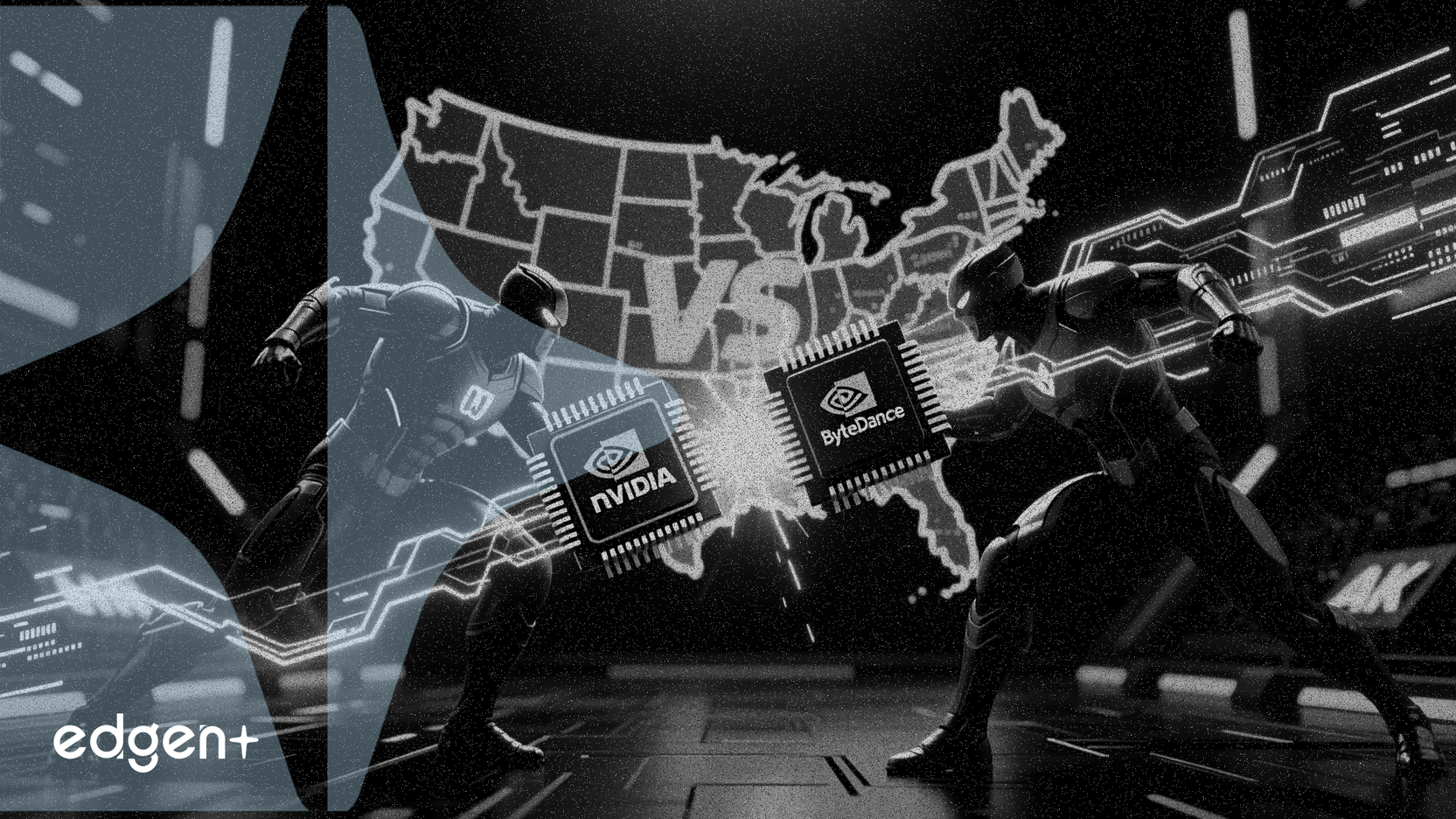
ByteDance Gains Access to High-End Nvidia AI Chips
On March 12, 2026, reports confirmed that Chinese technology firm ByteDance, the parent company of TikTok, has secured access to top-tier Nvidia artificial intelligence chips. The acquisition is a critical component of ByteDance's strategy to build a suite of AI applications and compete directly with global leaders like Google and OpenAI. This development introduces a formidable new challenger into the generative AI landscape, leveraging advanced hardware to power its global ambitions.
The move comes even as U.S. and Chinese regulators create a complex environment for chip exports. Conflicting reports emerged earlier in the year regarding Nvidia's H200 chip, with production allegedly halted and Chinese authorities initially blocking imports before partially reversing course. ByteDance's successful acquisition suggests it has navigated these hurdles, securing the computational power necessary for large-scale AI model development.
Tech Giants Build AI Arsenals With Billions in Chip Deals
The entire technology sector is engaged in an unprecedented spending campaign to secure AI infrastructure. Meta Platforms exemplifies this trend, pursuing a dual strategy of internal development and external procurement. The company is rolling out its own line of Meta Training and Inference Accelerator (MTIA) chips while simultaneously signing multi-year agreements to acquire millions of GPUs from Nvidia and up to 6 gigawatts of GPUs from AMD. This massive capital expenditure, which also includes building new data centers in Louisiana, Ohio, and Indiana, is designed to prevent computational power from becoming a bottleneck for innovation.
This industry-wide push for AI hardware highlights the strategic importance of ByteDance's procurement. While competitors like Meta and Google diversify their silicon supply with in-house designs to gain leverage and control costs, ByteDance's ability to obtain premier third-party chips from a U.S. firm underscores its resourcefulness. For investors, this signals that the AI arms race is not only about in-house innovation but also about navigating complex global supply chains and geopolitical tensions.
Chip Access Challenges US Export Control Strategy
ByteDance's acquisition of advanced Nvidia chips directly tests the efficacy of U.S. government efforts to restrict China's access to critical technologies. Washington has implemented stringent export controls to slow China's progress in AI, yet this development indicates that strategic resources are still flowing to leading Chinese firms. This could provoke a response from U.S. regulators, potentially leading to even tighter controls and creating further uncertainty for semiconductor companies like Nvidia, whose stocks are sensitive to geopolitical shifts.
From Beijing's perspective, this is part of a national strategy to close the AI gap with the United States. Chinese tech leaders have emphasized the need to solve real-world problems while achieving breakthroughs in foundational technology. By securing state-of-the-art hardware, ByteDance is acting on this mandate, escalating the competition and ensuring the battle for AI supremacy will be fought on both the software and hardware fronts.