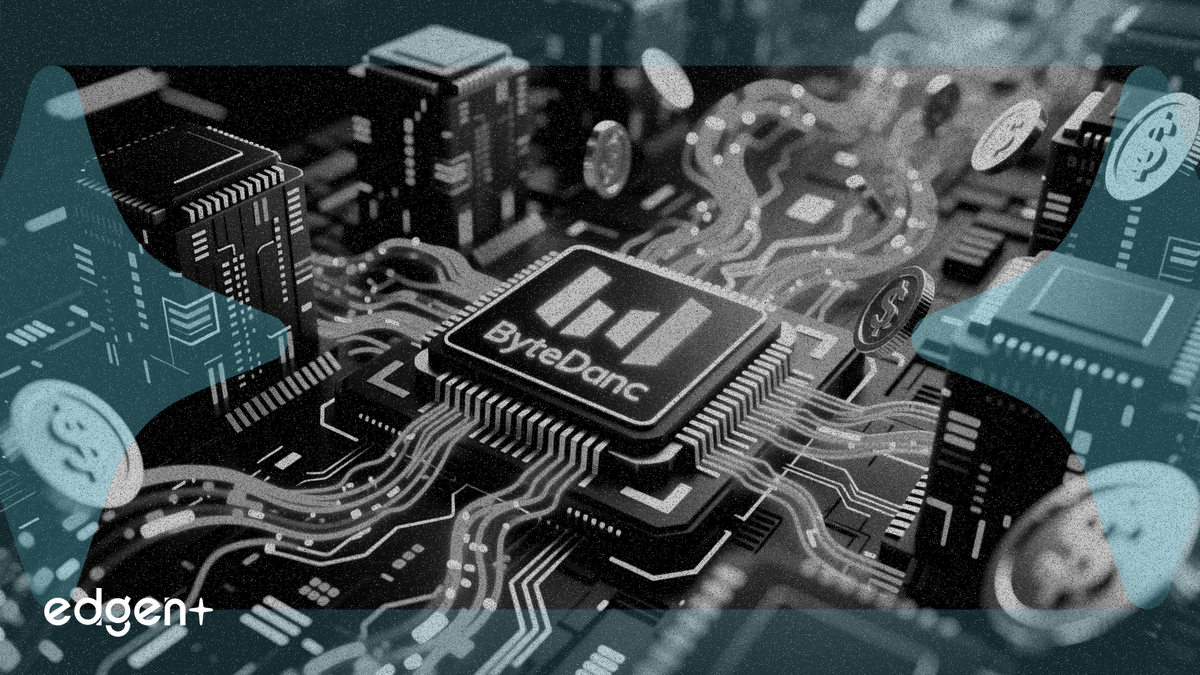
ByteDance Ltd., 2026 yapay zeka altyapı bütçesini %25 artırarak 200 milyar yuan'a (29,4 milyar dolar) çıkardı; küresel rakipleriyle olan donanım silahlanma yarışını tırmandırırken, artan jeopolitik gerilimler ortasında yerli çiplere öncelik verdi. South China Morning Post'un konuya yakın kaynaklara dayandırdığı haberine göre, geçen yılın sonlarında belirlenen 160 milyar yuanlık plandan yapılan bu artış, şirketin üretken yapay zekaya olan derin bağlılığını ve bellek çipleri gibi temel bileşenlerin yükselen maliyetlerini yansıtıyor.
Bu hamle, yapay zeka geliştirmenin en üst seviyesinde rekabet etmek için gereken devasa sermayeyi gösteriyor ve ByteDance'ın bütçesini küresel teknoloji devleriyle aynı lige yerleştiriyor. Bu agresif harcama, büyük ölçekli modelleri eğitmek ve çalıştırmak için gerekli bilgi işlem gücünü güvence altına almak üzere tasarlandı ve OpenAI, Google ve Anthropic gibi köklü oyunculara doğrudan meydan okuyor.
İlk kez SCMP tarafından detaylandırılan güncellenmiş bütçe, önemli bir stratejik karara işaret ediyor. %25'lik artış, hem başarılı yapay zeka ürünlerinin teknik taleplerine hem de karmaşık jeopolitik ortama doğrudan bir yanıttır. Planlanan harcama artık yerli yapay zeka çiplerine orantılı olarak daha büyük bir pay ayırıyor; bu hamle, Pekin'in yarı iletkenlerde kendi kendine yeterlilik konusundaki ulusal stratejisiyle uyumlu.
Bu pivot, Nvidia Corp. gibi endüstri liderlerini hedef alan gelişmiş yarı iletkenler üzerindeki katı ABD ihracat kontrolleri altında Çinli teknoloji firmalarının karşılaştığı zorlukların altını çiziyor. ByteDance, devasa bütçesinin daha büyük bir kısmını yerli tedarikçilere ayırarak tedarik zinciri risklerini azaltmayı ve Çin'in teknolojik bağımsızlığı için kritik bir uzun vadeli hedef olan yerel yüksek performanslı çip ekosisteminin gelişimini desteklemeyi amaçlıyor.
Pekin'in Kendi Kendine Yeterlilik Çağrısı Yerli Pivotu Körüklüyor
Yerli donanımı tercih etme kararı, ABD ile Çin arasında yoğunlaşan teknoloji rekabetinin doğrudan bir sonucudur. Washington'un ihracat kısıtlamaları, Çinli şirketlerin büyük dil modellerini eğitmek için gereken en son teknoloji GPU'ları edinmesini zorlaştırdı. Buna karşılık Pekin, ulusal şampiyonlarını, ürünleri henüz Nvidia veya AMD'nin en yenileriyle aynı seviyede olmasa bile, yerel çip üreticilerine yatırım yapmaya ve onlardan tedarik sağlamaya çağırdı.
ByteDance'ın bu stratejik tahsisi, Çin'in gelişmekte olan çip endüstrisi için talep tarafında önemli bir katalizör sağlıyor. Belirli yerli tedarikçilerin isimleri verilmese de, Ascend serisi yapay zeka hızlandırıcılarıyla Huawei Technologies Co. gibi şirketler potansiyel yararlanıcılar olarak konumlanıyor. 200 milyar yuanlık yatırım, Çin'in en büyük teknoloji firmalarının Batı egemenliğindeki tedarik zincirine aktif olarak bir alternatif oluşturduğuna dair güçlü bir sinyal görevi görüyor.
Doubao'nun Başarısı Donanım Talebini Artırıyor
Harcama artışı aynı zamanda ByteDance'ın kendi üretken yapay zeka uygulamalarının önemli başarısıyla da körükleniyor. Bloomberg Intelligence verilerine göre, Doubao sohbet robotu kitlesel bir benimseme gördü ve geçen yılın büyük bir bölümünde Çin'in en çok indirilen yapay zeka sohbet robotu olmaya devam etti. Bu popülerlik erdemli bir döngü yaratıyor: yaygın kullanım, büyük miktarda veri ve kullanıcı geri bildirimi oluşturuyor ve bu da temel modelleri geliştirmek ve iyileştirmek için daha güçlü ve verimli bir altyapı gerektiriyor.
OpenAI'ın ChatGPT'si, Google'ın Gemini'si ve Anthropic'in Claude'u gibi rakiplere karşı Doubao ile liderliğini korumak için ByteDance, en son teknoloji donanıma sürekli yatırım yapmalıdır. Artan bütçe, şirketin sadece üretken yapay zeka alanında yer alma değil, donanım ve jeopolitik rüzgarlara rağmen kendi pazarında ve potansiyel olarak ötesinde liderlik etme konusundaki kararlılığını yansıtıyor.
Bu makale sadece bilgilendirme amaçlıdır ve yatırım tavsiyesi teşkil etmez.